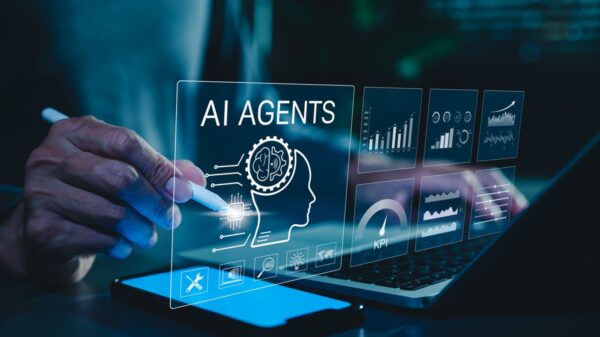




























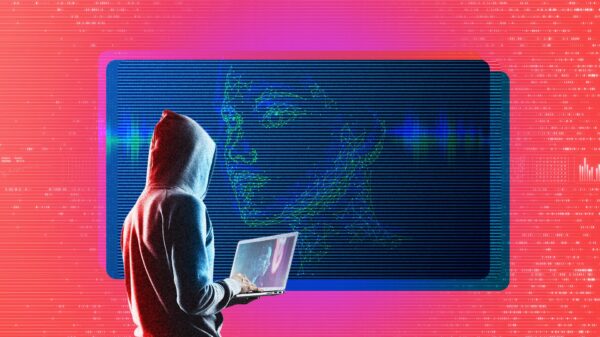








Recent advancements in hardware technology are enabling powerful artificial intelligence (AI) models to run locally on personal computers, marking a significant shift from the traditional reliance on cloud-based services. This evolution is paving the way for a new category of computing known as the Agent Computer, where AI agents take center stage as the primary users, diverging from the conventional model of personal computers operated by humans.
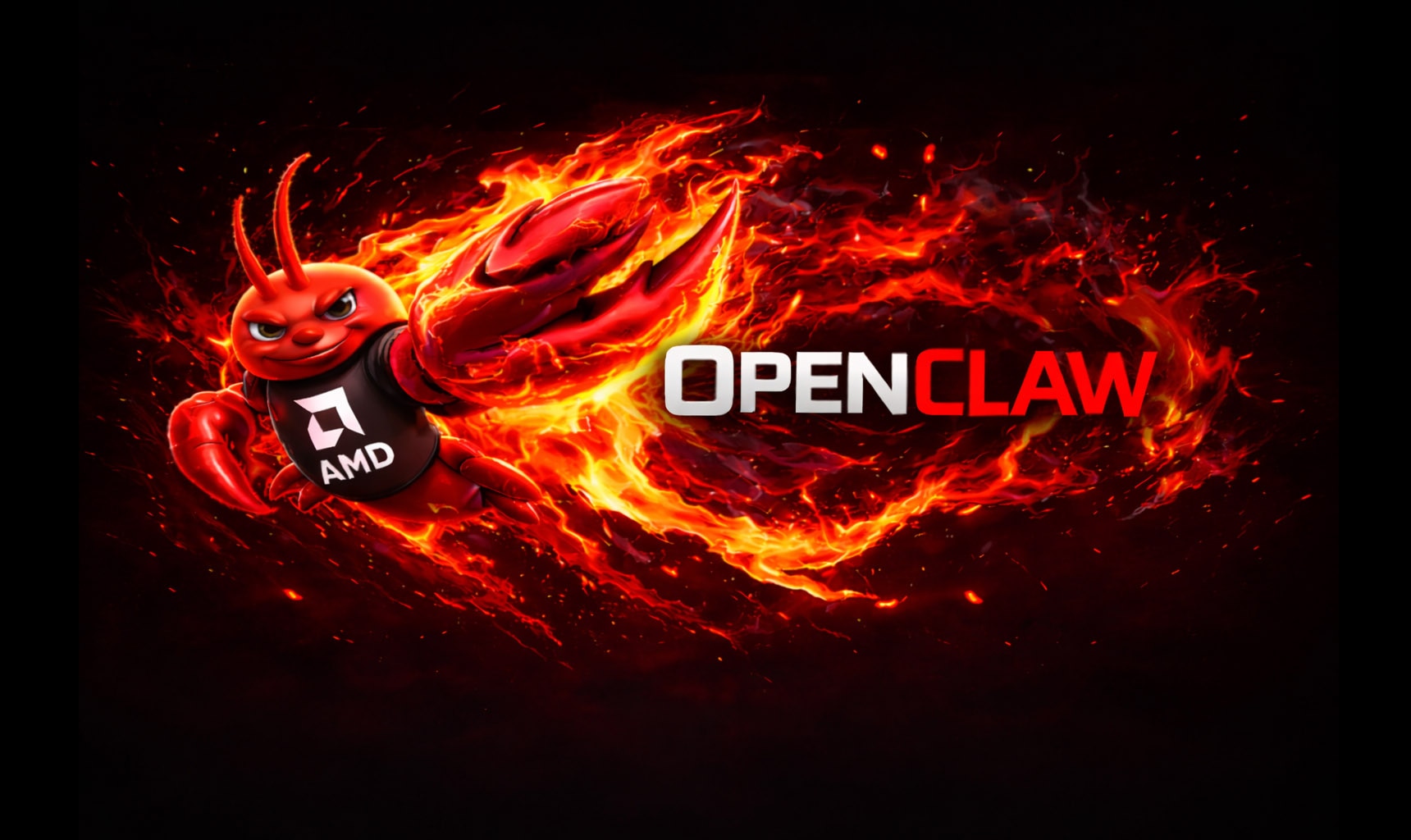
The growing capability of local hardware, combined with optimized inference stacks, is making it feasible for advanced large language models (LLMs) to operate efficiently on individual systems. For instance, platforms like AMD Ryzen™ AI Max+ facilitate the execution of models such as Qwen 3.5 122B locally, demonstrating robust performance in handling both single and multi-agent workloads. This shift underscores a transition from the cloud-dependent AI solutions of the past to powerful, autonomous AI systems accessible directly on personal devices.
As organizations and individuals increasingly seek to harness the capabilities of AI without the latency and privacy concerns associated with cloud computing, the emergence of local AI systems is gaining momentum. The ability to run advanced AI models on personal hardware could democratize access to cutting-edge technology, allowing a wider audience to leverage AI capabilities for various applications, from content creation to complex data analysis.
The implications of this shift extend beyond mere convenience. Local AI systems promise enhanced security and privacy as sensitive data can be processed directly on the user’s device, minimizing exposure to potential breaches inherent in cloud-based systems. Moreover, the performance of local AI models can be optimized to meet specific user needs, further enhancing the efficiency of tasks that rely on AI functionalities.
This technological evolution also has ramifications for industries heavily reliant on AI. Companies traditionally dependent on cloud services might need to reassess their strategies in light of these developments. The transition to local AI systems could force a reevaluation of infrastructure investments and operational frameworks, with organizations exploring how to best integrate these new models into their existing workflows.
Looking ahead, the rise of the Agent Computer represents not just a change in how AI is deployed but also a fundamental transformation in the interaction between humans and machines. As AI becomes more capable of operating independently, the dynamics of productivity, creativity, and decision-making may evolve significantly. This shift could lead to a future where AI agents function as collaborators in various professional domains, enhancing human capabilities rather than simply augmenting them.
In conclusion, the growing ability to run advanced AI models locally on personal systems signifies a pivotal moment in the evolution of artificial intelligence. With platforms like AMD Ryzen™ AI Max+ enabling the execution of sophisticated models such as Qwen 3.5 122B, the potential for local AI systems to reshape industries, enhance privacy, and redefine user interactions is becoming increasingly tangible. As this trend continues to unfold, it will be essential for stakeholders across sectors to adapt to the challenges and opportunities presented by this emerging landscape.
See also Tesseract Launches Site Manager and PRISM Vision Badge for Job Site Clarity
 Affordable Android Smartwatches That Offer Great Value and Features
 Russia”s AIDOL Robot Stumbles During Debut in Moscow
 AI Technology Revolutionizes Meat Processing at Cargill Slaughterhouse
 Seagate Unveils Exos 4U100: 3.2PB AI-Ready Storage with Advanced HAMR Tech