By Karen Freifeld
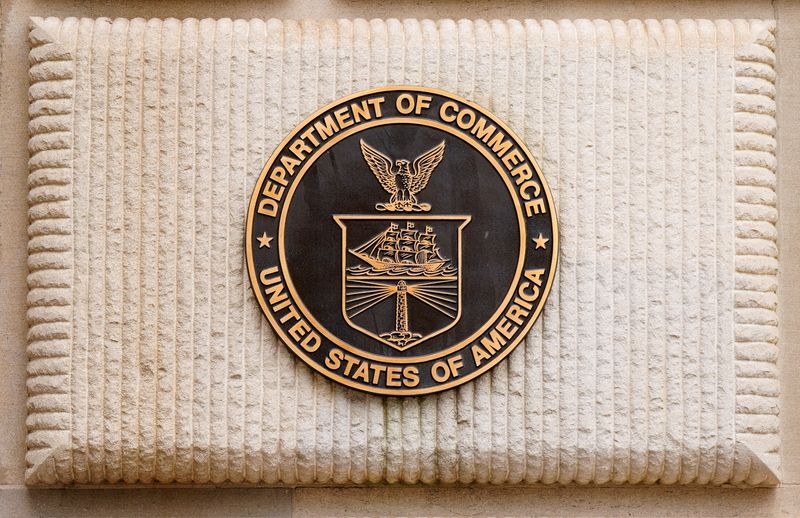
March 13 (Reuters) – The U.S. Department of Commerce has withdrawn a planned rule regarding the export of artificial intelligence (AI) chips, as noted on a government website. The draft rule, which was intended to regulate global access to AI chips, had been circulated for inter-agency feedback in late February. No specific reason for the withdrawal was provided.
A representative from the Commerce Department did not respond immediately to a request for comment. This withdrawal signifies another instance of the Trump administration reversing its course on policies established by the Biden administration, specifically a framework for exporting AI chips that was released in January 2025.
Last spring, the Commerce Department announced plans to simplify existing rules to bolster American dominance in AI. The now-retracted rule, referred to as the “AI Action Plan Implementation,” was posted on the Office of Information and Regulatory Affairs website on February 26, only to be pulled shortly thereafter.
According to documents reviewed by Reuters, the plan aimed to impose conditions on exporting 200,000 chips or more, potentially requiring foreign investments in U.S. data centers or security guarantees. This approach marked a significant departure from the Biden administration’s strategy, which exempted close allies from most restrictions on AI chip exports and categorized nations into three tiers. The Biden framework was part of a broader effort to limit China’s access to advanced chips while also maintaining U.S. leadership in the AI sector.
A former official indicated that the withdrawal likely reflects divergent opinions within the administration on the best strategy for achieving global AI dominance while addressing national security concerns. In a March 5 statement on the social media platform X, the U.S. Commerce Department acknowledged deliberating on new rules but rejected a characterization of the previous Biden-era framework as “burdensome, overreaching, and disastrous.” However, sources familiar with the draft noted that it appeared quite stringent.
The geopolitical landscape surrounding AI chip exports is increasingly competitive, with nations vying for technological supremacy. The U.S. has been particularly focused on curtailing China’s access to advanced chips, viewing it as crucial to national security and economic leadership. The withdrawal of this rule may raise questions about how the U.S. will navigate its export policies in the face of growing global competition.
Amid these complexities, the future of U.S. AI policy remains uncertain. Stakeholders in the tech industry, including chip manufacturers and international partners, will be closely monitoring how the Commerce Department proceeds with its regulatory framework. As the global demand for AI technology continues to soar, the implications of these policy decisions will likely resonate far beyond U.S. borders, affecting international trade dynamics and technological collaboration.
See also HPE Unveils AI-native Infrastructure Strategy, Launches AI Factories in Europe
 Nvidia Faces Fierce Competition as Google, Amazon, and Startups Target AI Inference Market
 IIT Hyderabad Launches India’s First MTech in AI-Driven Chemical Engineering Programs
 AMD Ryzen AI Max+ Powers Local AI with OpenClaw for Enhanced LLM Performance
 Majority of Americans View Data Centers as Environmental Threat, Survey Finds