








































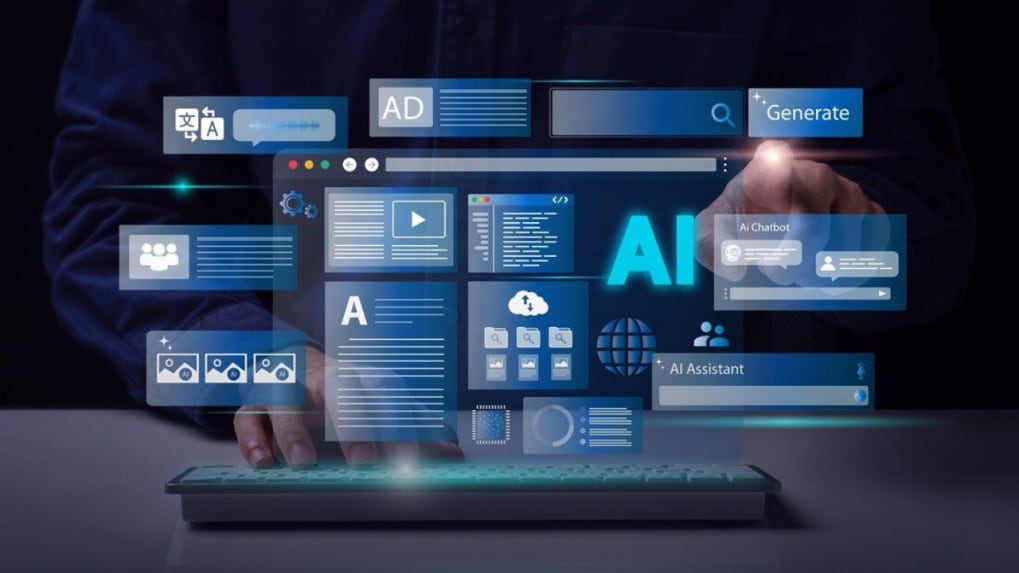
Adoption of artificial intelligence (AI) is surging globally, with approximately 65 percent of organizations now employing generative AI technologies in their workflows, according to a recent survey by McKinsey & Company. This growing trend reflects a significant shift in how businesses are integrating AI-powered tools to enhance productivity and operational efficiency.
Generative AI models work by analyzing data patterns to create new content, encompassing text, images, and audio. While some organizations remain cautious about deploying the technology, those that do so responsibly are often able to streamline operations and drive greater productivity. As the AI landscape evolves, many companies are exploring various applications of this technology to support their daily operations.
A multitude of AI tools has emerged to assist with diverse tasks such as note-taking, writing, presentations, project management, and workflow automation. Among these tools, many are designed to improve workplace productivity through innovative features and integrations. Notable examples of such tools include:
Otter.ai serves as a transcriber, converting spoken conversations into accurate real-time text. It records and transcribes meetings, lectures, and brainstorming sessions, enabling users to capture key insights without manual note-taking. The capability to search, review, and share transcripts further simplifies revisiting vital discussion points.
Grammarly enhances written communication by providing real-time suggestions that improve clarity, tone, and style, extending beyond basic spell-checking and grammar correction. The platform aids users in refining emails, reports, and social media content, ensuring professional and concise communication.
Fireflies.ai automates meeting documentation and workflow management, recording discussions and generating summaries while identifying action items. The tool’s additional features, such as sentiment analysis, and its integration with widely used video conferencing platforms position it as an automated meeting assistant.
Mem.ai addresses information overload by offering an AI-powered workspace that connects notes, documents, and tasks. This dynamic knowledge base highlights relevant information, aiding users in organizing data and identifying connections between ideas.
Tome expedites the presentation creation process by generating layouts, visuals, and narrative structures based on user input. By automating design elements, the tool allows users to focus on content development rather than formatting and visual design.
Jasper is a content creation tool that assists users in generating a wide array of written materials, from blog posts to marketing copy. It provides prompts and contextual information, enabling users to produce high-volume content efficiently without sacrificing consistency or quality.
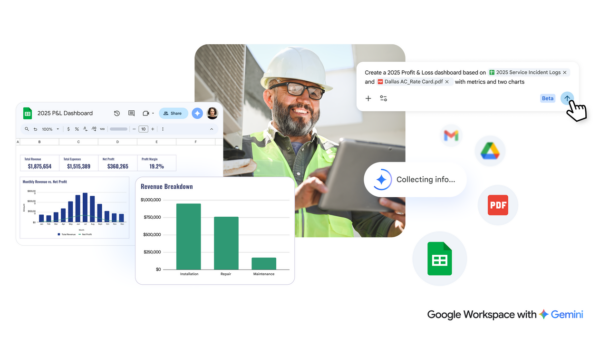
Microsoft Copilot integrates AI capabilities within applications such as Word, Excel, PowerPoint, Outlook, and Teams. This tool supports tasks like drafting emails, summarizing documents, analyzing spreadsheet data, and creating presentations, all within the familiar Microsoft ecosystem.
Notion AI enhances the Notion productivity platform by facilitating brainstorming, document drafting, note summarization, and text translation. This combination of organizational tools with AI capabilities streamlines project management and information tracking.
Taskade AI incorporates artificial intelligence into collaborative project and task management, helping teams create task lists, structure projects, and automate workflows based on team activity. This functionality fosters more efficient collaboration.
Socratic by Google is primarily an educational tool that can assist professionals in quickly grasping new concepts. By analyzing questions, the app provides explanations, resources, and visual references to support efficient learning of various topics.
As the landscape of artificial intelligence continues to evolve, an increasing number of productivity tools are expected to emerge. These innovations are poised to transform how businesses manage workflows, communication, and knowledge. Organizations that effectively explore and integrate these technologies may unlock higher efficiency, minimize repetitive tasks, and enhance overall productivity, ultimately shaping the future of work.
First Published on March 14, 2026, 17:29:39 IST
See also AI Transforms Health Care Workflows, Elevating Patient Care and Outcomes
 Tamil Nadu’s Anbil Mahesh Seeks Exemption for In-Service Teachers from TET Requirements
 Top AI Note-Taking Apps of 2026: Boost Productivity with 95% Accurate Transcriptions
 Machine Learning Tools Transform Materials Discovery, Enhancing Semiconductor Efficiency