












































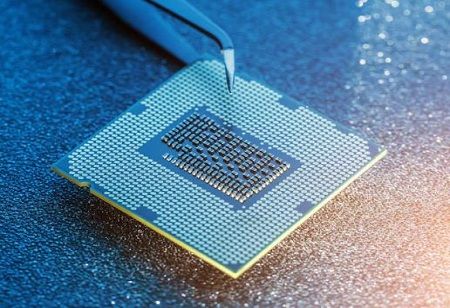
DeepSeek, a prominent Chinese AI company, has reportedly received conditional approval from the Chinese government to acquire Nvidia’s advanced H200 AI chips, although the specific regulatory conditions remain undisclosed. This clearance, overseen by the National Development and Reform Commission (NDRC), represents a significant step in enhancing China’s capacity for high-performance AI applications.
The interest in high-performance AI hardware is not limited to DeepSeek. Other major technology players in China, including ByteDance, Alibaba, and Tencent, have also secured similar approvals to purchase substantial quantities of these processors. This trend underscores the growing demand within the Chinese tech sector for cutting-edge AI infrastructure, which is critical for strengthening data center capabilities.
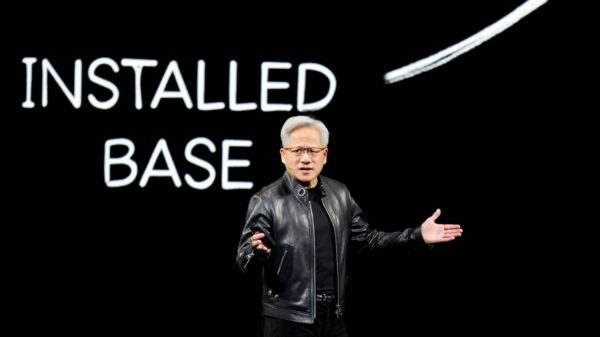
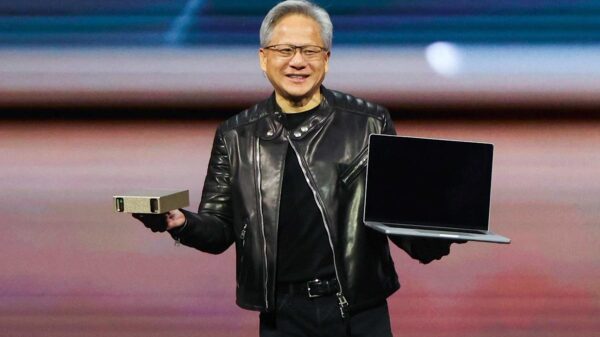
Nvidia’s CEO, Jensen Huang, indicated that the company had not yet been formally notified about the approvals. He also suggested that licensing agreements may be under consideration, hinting at ongoing negotiations regarding export regulations. These approvals come amid stringent global penalties on the export of advanced semiconductors, which have been a contentious topic between the U.S. and China.
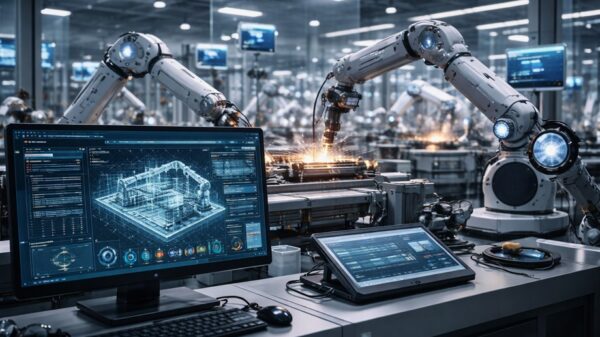
If finalized, these transactions are expected to catalyze investments across the Chinese data center ecosystem. The acquisition of Nvidia’s H200 chips could expedite the development of robust power infrastructure and advanced cooling systems necessary to support high-density AI workloads. As companies ramp up their AI capabilities, this could significantly enhance the operational efficiency of data centers across the country.
This development occurs against a backdrop of rising geopolitical tensions and trade restrictions impacting the global semiconductor market. The conditional nature of the approvals suggests a careful balancing act by Chinese regulators, who are keen to foster domestic innovation while navigating complex international trade dynamics.
Looking ahead, the implications of these acquisitions could resonate throughout the global technology landscape. As Chinese firms enhance their AI capabilities, they may become increasingly competitive in the international arena, raising questions about the future of AI development and commerce on a transnational scale. As the landscape evolves, stakeholders will be watching closely to see how these regulatory conditions and subsequent investments shape the future of AI technologies in China and beyond.
See also AI Reshapes Business: 16,000 Jobs Cut at Amazon Amid $135B Meta Infrastructure Push
 Inbox Beverage Partners with QWERKY AI to Launch Advanced AI Brewery Design Platform
 Anthropic Launches Custom Plugins for Claude Cowork, Enhancing Task Automation Capabilities
 India and France Set to Host Landmark AI Impact Summit in New Delhi, February 2026
 U.S. Fragmented AI Laws Threaten Startups, Risking Innovation Amid China’s Unified Approach