






































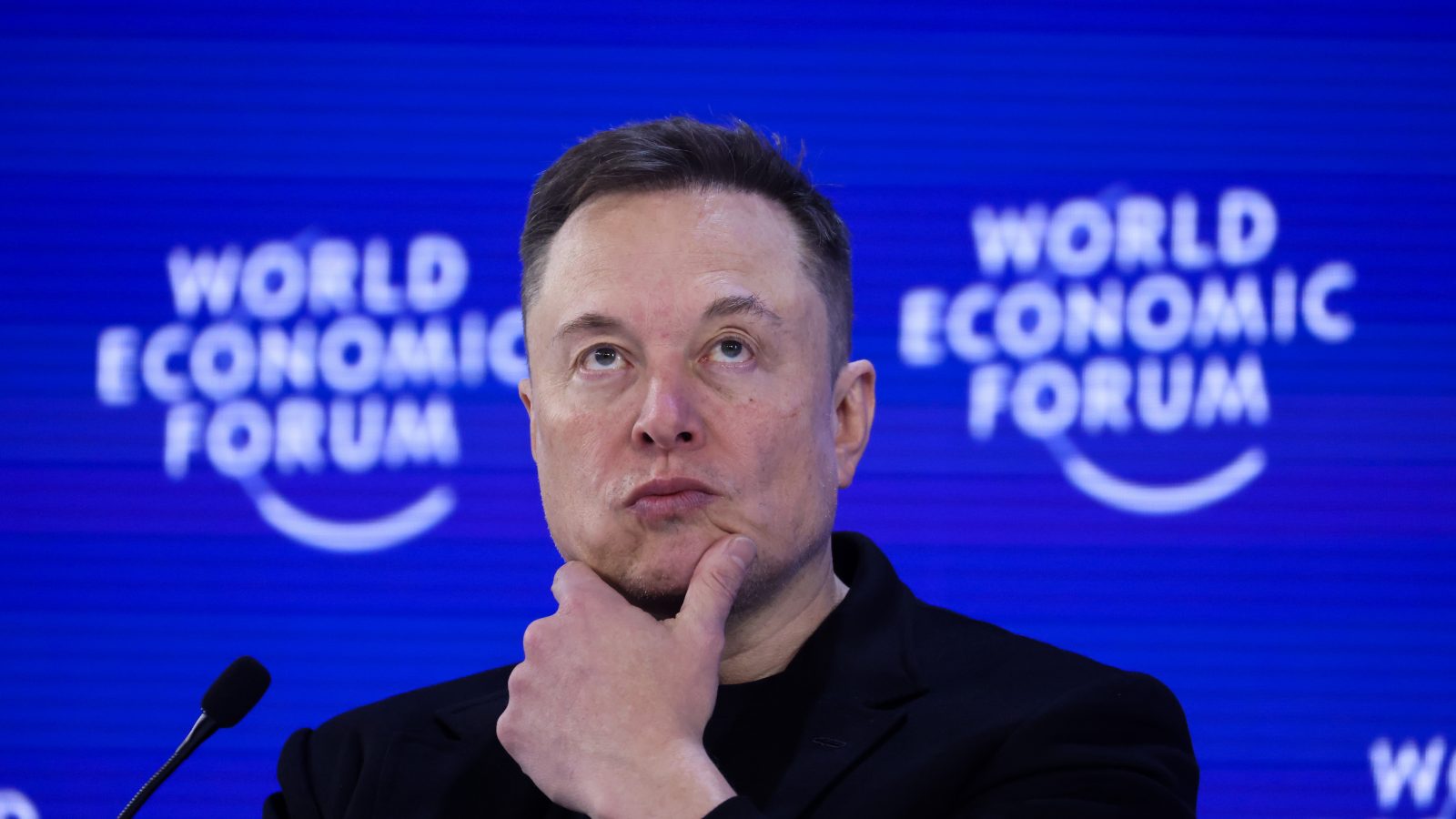
More than 84 world leaders, 800 CEOs, and thousands of others gathered amid the Alps this week to attend the World Economic Forum’s annual meeting in Davos, Switzerland. The discussions prominently featured artificial intelligence, touching on its economic implications, job market transformations, and ethical concerns surrounding surveillance. Key voices at the event included Elon Musk, Larry Fink, and Dario Amodei, each offering distinct perspectives on the future of AI.
One of the most debated topics was whether the AI industry is experiencing a bubble. While concerns about inflated valuations linger, leading industry figures largely dismiss these fears. On the sidelines of the event, BlackRock CEO Larry Fink told Bloomberg TV he “sincerely believes” there is no bubble in AI. He emphasized that substantial investments, estimated in the hundreds of billions of dollars, are necessary to develop this technology further.
What I see is this smooth exponential line.
Fink noted, “I don’t think there’s any uncertainty about AI. The capex is going to drive more global growth. … There are going to be some huge winners and some losers, but I believe the needed capital to build out AI is one of the great opportunities for the world to come.”
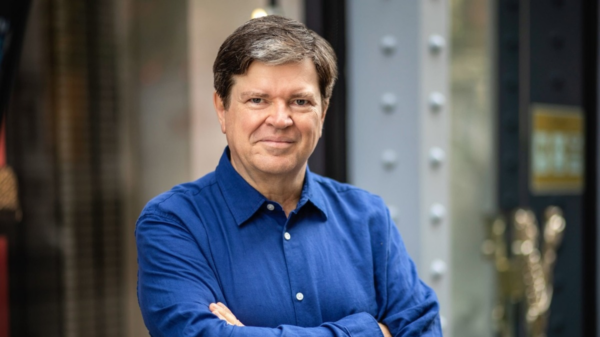
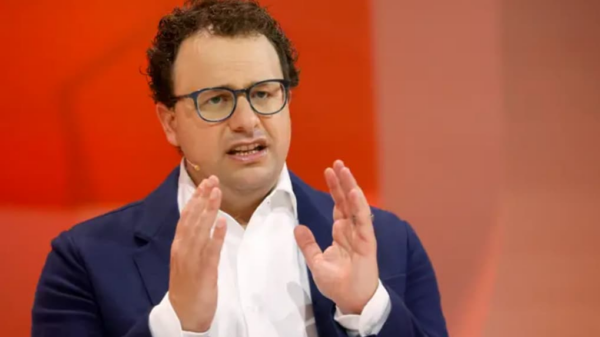
Amodei, CEO of Anthropic, echoed similar sentiments, stating that public perception of AI has “oscillated wildly” but that the technology itself remains on a steady upward path. “Every three to six months, we have this reversal of polarity where the media is incredibly excited about what the technology can do: It’s going to change everything. And then it’s all a bubble,” he explained. “What I see is this smooth exponential line. … And that march has just been constant.”
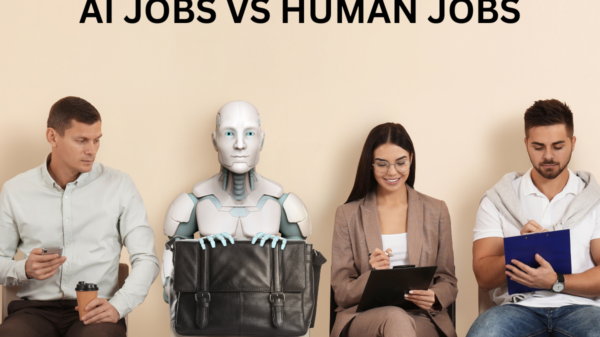
As discussions shifted to the job market, the impact of AI on employment was central. While many speakers emphasized the potential for humans and bots to coexist, Nvidia CEO Jensen Huang asserted that AI is creating high-paying “tradecraft” roles, particularly for skilled workers in sectors like plumbing and electrical work. He revealed that salaries for these roles in the U.S. have doubled, reaching six-figure incomes in some cases.
Jobs, jobs, jobs! It’s incredible.
“Energy [sector] is creating jobs. Chips industry is creating jobs. The infrastructure layer is creating jobs. Jobs, jobs, jobs! It’s incredible,” Huang stated. He characterized the current developments as “the largest infrastructure buildout in human history,” which is expected to generate significant employment opportunities.
Conversely, Amodei cautioned that while AI could drive GDP growth, it may lead to high unemployment and increasing inequality. He noted the unsettling possibility of engineers using AI for coding tasks potentially becoming redundant, saying, “That’s not going to last forever.”
The conversation also ventured into robotics, with Musk revealing that Tesla could begin public sales of its humanoid robot, Optimus, by the end of 2027. Musk envisions that this robot will be capable of tasks ranging from factory work to domestic chores.
There will be more robots than people.
“My prediction is that there will be more robots than people [on Earth],” Musk asserted. He expressed excitement about the potential for robots to assist with caregiving and household tasks, stating, “If you had a robot that could take care of and protect an elderly parent, that would be great.” In a light-hearted take on the implications of such a reality, Musk remarked, “Nothing is perfect.”
Amodei also raised alarms about the potential for AI to enhance surveillance capabilities, describing the technology as sophisticated enough to create individualized propaganda and intrude upon personal computing devices. He warned that such developments could empower authoritarian regimes, stating, “I am concerned that AI may be uniquely well-suited to autocracy and to deepening the repression that we see in autocracies.” He urged for strategic government interventions, such as restricting chip sales to certain nations, to mitigate these threats.
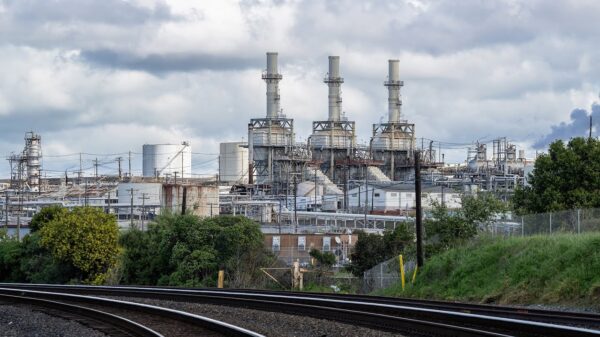
In addressing sustainability, Musk noted that the biggest limitation to AI’s growth is electrical power, advocating for solar energy as a solution. He pointed out the exponential increase in AI chip production contrasted with the slow growth of electricity supply, which he estimates at 4% per year.
There’s so much room in space.
He praised China for its advancements in electricity production through solar energy and expressed plans for SpaceX to launch solar-powered AI satellites, emphasizing the extraordinary potential of harnessing energy in space.
As the forum concluded, Amodei offered a stark assessment of preparedness among businesses and governments regarding AI’s implications, stating emphatically that they are not doing enough. “Many policies have gone wrong because they’re based on premises that are fundamentally incorrect,” he warned. This ongoing dialogue at Davos underscores the urgent need for thoughtful engagement with the transformative power of AI as it continues to evolve.
See also HUMAIN and Infra Secure $1.2B AI Financing Agreement to Transform Saudi Digital Infrastructure
 OpenAI Announces Codex Update, Elevating Cybersecurity Risk Level to “High”
 Kim Jaewon to Chair KOSPO, Steering Korea’s Startup Forum Toward AI-Driven Policy Reform
 Davos 2023: Trump Dominates Geopolitical Discourse, Marginalizing AI and Economic Issues
 BLIP-2 Achieves 536K Monthly Downloads, Surpassing Competitors with 65% VQAv2 Accuracy