



















































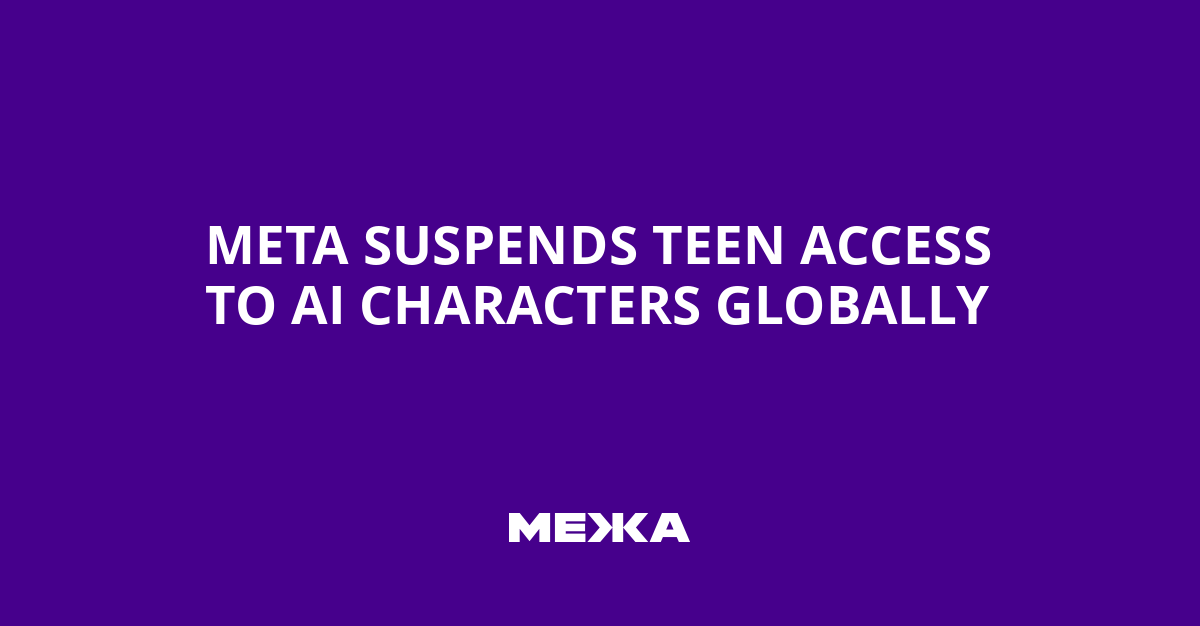
Meta has announced the suspension of access to its AI characters for teenagers across all its platforms on a global scale. The decision, which comes just days before court proceedings in New Mexico related to allegations of inadequate protection for children on its apps, underscores the company’s commitment to developing a tailored version of AI characters specifically for younger users. This move reflects a growing scrutiny over the safety and well-being of minors in the digital space.
The suspension of AI character access follows a series of measures that Meta had been implementing, including new parental-control features introduced in October. These controls were designed to offer a PG-13-like experience, limiting teens’ exposure to sensitive content such as excessive violence, nudity, and graphic depictions of drug use. While the company had initially demonstrated a level of control over interactions with its AI characters, the recent decision marks a shift toward a more cautious approach.
According to media reports, Meta had faced pushback regarding its transparency concerning the impact of social networks on teenagers’ mental health. In this context, the decision to suspend access to AI characters was influenced by feedback from parents, emphasizing the need for greater oversight and control in teen interactions with AI. The company has stated that it is not abandoning its efforts but rather taking a step back to ensure that future AI characters for teens would incorporate enhanced parental controls.
The planned launch of new teen-focused AI characters is expected to prioritize education, sports, and hobbies, with an emphasis on age-appropriate interactions. These developments are part of a broader trend in the tech industry, where regulatory scrutiny is intensifying regarding the impact of social media and AI tools on young users. Beyond the New Mexico lawsuit, Meta anticipates further hearings that could address issues surrounding addiction and the responsibilities of tech platforms.
Other companies in the tech sector are also responding to similar concerns. Some startups have implemented measures that prevent open dialogues with chatbots for minors, while OpenAI is introducing new safety protocols and age restrictions to better protect young users. As technology continues to evolve, the emphasis on creating safe and responsible environments for teenagers is becoming increasingly crucial.
The landscape of social media and AI is shifting, with a growing recognition of the importance of safeguarding younger audiences. Meta‘s decision to suspend access to its AI features for teens may serve as a pivotal moment in the ongoing dialogue about the responsibilities of tech companies in protecting children online. As regulatory frameworks continue to adapt, the company’s forthcoming AI developments for teens will be closely monitored, both by parents and industry watchdogs alike.
See also Solana Dips Below $140 Amid ETF Outflows; Zero-Knowledge Proofs Shift Market Dynamics
 UiPath’s Maestro Positions It to Lead AI Agent Orchestration Amid Market Shift
 Perplexity AI Launches Google Drive Connector for Enhanced File Search Capabilities
 Davos 2026: Leaders Assess AI’s Impact on Jobs, Surveillance, and Global Industry Growth
 HUMAIN and Infra Secure $1.2B AI Financing Agreement to Transform Saudi Digital Infrastructure