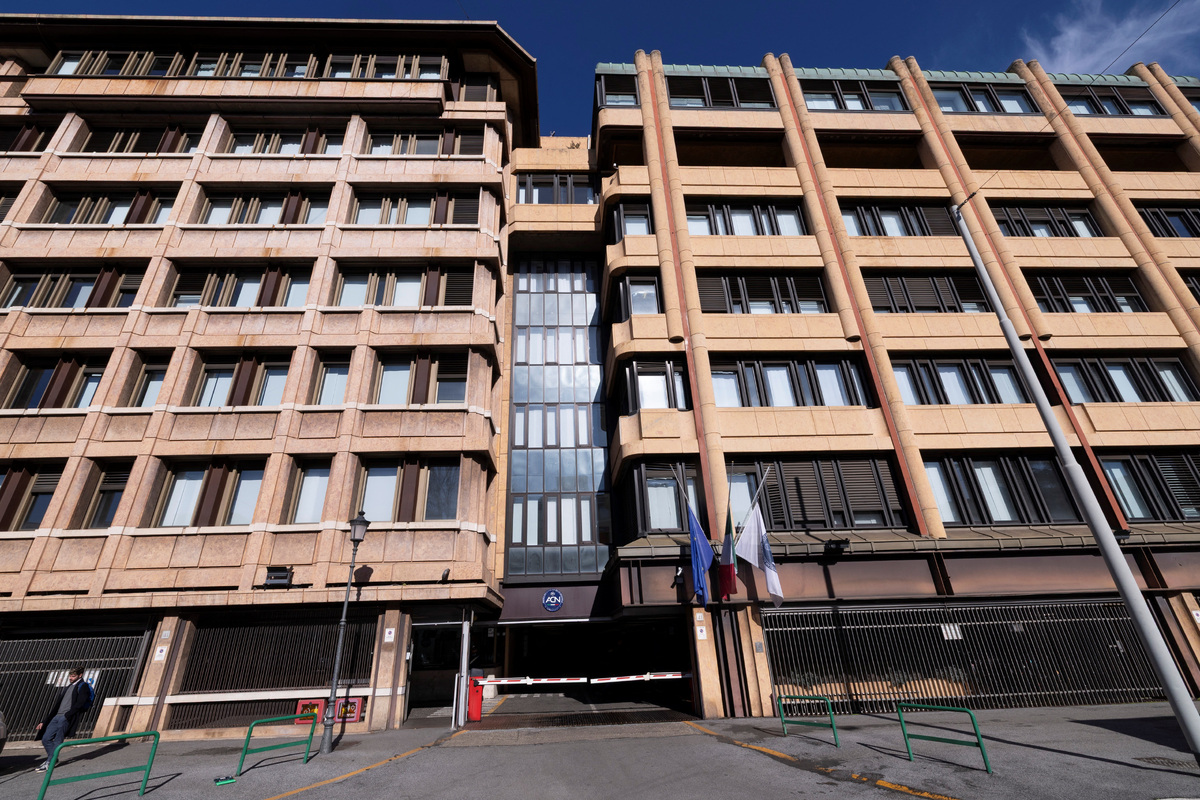
ROME – The National Cybersecurity Agency (ACN) of Italy is gearing up for its first major test as it prepares to secure the upcoming Winter Olympics in Milano Cortina, which are set to take place from February 6 to 22. In a modern government building overlooking Rome’s Aurelian walls, specialists have dedicated the past year to monitoring criminal activity on the dark web, anticipating a range of potential cyber threats as the event attracts global attention.
With an expected audience of around three billion viewers and an estimated 1.5 million ticket holders, the Winter Games present an enticing target for cyber adversaries, from routine cybercriminals to advanced, state-linked hacking groups. “The Olympics are a global event. That visibility can attract criminal interests,” Gianluca Galasso, ACN’s director of cyber operations and crisis management, noted during a recent tour of the agency’s operations. He emphasized that the Games could serve as a platform for attackers to make statements, highlight causes, or exploit contemporary geopolitical tensions.
The ACN was established in 2021 and is using the Winter Olympics to implement lessons learned from other large-scale international events. Italy had previously assisted French authorities during the 2024 Paris Summer Olympics, where over 140 cyber incidents were reported, including 22 breaches that compromised information systems. While no competition was disrupted, the sheer volume of attacks highlighted the challenges of securing such large events. Physical infrastructure like France’s TGV high-speed rail network faced threats on the day of the opening ceremony, further complicating security efforts.
Galasso expressed concerns that Italy may face similar threats this year, particularly with the added complexity of artificial intelligence. “Cyber phenomena keep growing for obvious reasons. Now there’s artificial intelligence, and we expect attackers to use AI agents to support cyber operations,” he stated. While he acknowledged a heightened threat level, he reassured that the agency currently does not perceive any specific, elevated risks.
Among the scenarios ACN is preparing for include disruptions to high-visibility services, such as interrupting streaming feeds or hindering ticket purchases. “Attackers want something that has media resonance,” Galasso remarked, highlighting the necessity for vigilance. The agency’s operations room features black-clad analysts engaged in real-time monitoring, with displays tracking global cyber trends.
The agency’s proactive strategy focuses on early detection, aiming to identify hostile activities before they escalate into full-scale intrusions. Analysts scrutinize the open web, criminal forums, and social media, looking for patterns that may indicate emerging threats. “Our work happens before someone tries to enter a system,” Galasso explained, underlining ACN’s commitment to anticipating potential attacks.
Approximately 20 of the agency’s 100 operational specialists will concentrate solely on Olympic-related intelligence, maintaining constant communication with teams at the various venues. Additionally, ten senior experts are set to travel to Milan on February 4 to join the Technology Operations Centre (TOC), which will oversee and secure the technological systems for the Games.
These experts will collaborate with nearly 100 specialists from Deloitte and about 300 staff from the local organizing committee and technology partners. Together, they will manage the complex digital infrastructure across all Olympic venues. Galasso confirmed that ACN will continuously provide intelligence to technical teams as threats evolve, reinforcing the agency’s objective to respond swiftly and effectively to any risks that materialize.
As the Winter Olympics approach, the intersection of heightened visibility and advanced cyber capabilities underscores the importance of robust cybersecurity measures. With a global audience and a plethora of potential attack vectors, the stakes could not be higher for Italy as it embarks on this critical mission, epitomizing the challenges faced in securing major international sporting events in an increasingly digital age.
See also AI Cyberattacks Now Cost Under $50, Raising Security Risks for Every Company
 AI-Driven Impersonation Attacks Surge 88% in Organizations, Deepfakes Top Concerns
 Team Cymru Reveals 50% of Security Teams Lack Real-Time Threat Visibility
 Indian Army Deploys DroneVerse’s AI Gunshot Detection System for Enhanced Rapid Response
 SentinelOne Acquires Prompt Security, Appoints New Interim CFO Amid AI Focus Shift