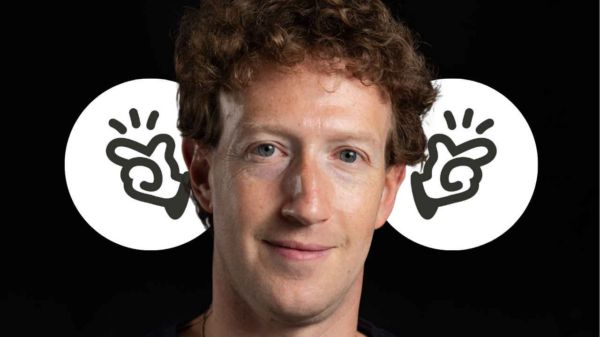
Meta Platforms Inc. is advancing its plans to integrate facial recognition technology into its social media ecosystem, including smart glasses. An internal memo obtained by The New York Times indicates that the project, known as “Name Tag,” presents significant “safety and privacy risks.” On April 13, the American Civil Liberties Union (ACLU) voiced its concerns in a letter to CEO Mark Zuckerberg, warning that the system could endanger “vulnerable communities,” including religious minorities, people of color, LGBTQ+ individuals, and survivors of stalking and harassment.
The ACLU highlights that virtually anyone with an online presence is at risk, from children to corporate executives. The organization warns that because the smart glasses resemble ordinary prescription eyewear, they could enable users to “surveil and profile” individuals covertly, potentially leading to stalking and other forms of harassment. There are fears that law enforcement personnel could misuse the technology to infringe upon Fourth Amendment rights.
Citing a 2024 incident in which Harvard students employed smart glasses with facial recognition capabilities to identify strangers on the Boston subway in real-time, the ACLU underscores the increasing incidents of violence against marginalized groups. To counteract the potential risks posed by Name Tag, specialized eyewear designed to deceive facial recognition systems is already available, along with applications that serve as anti-smart glasses radar.
As Meta navigates these complex issues, it appears to be timing the rollout of Name Tag strategically. According to The New York Times, the company aims to launch the feature during a politically charged period when many civil society organizations might be diverted by other pressing issues, thereby reducing opposition to the project.
The memo suggests that Meta executives are cognizant of the ACLU’s valid concerns but are proceeding with the launch anyway. Interestingly, the internal documents propose strategies for convincing the public of Name Tag’s benefits. One notable claim is that the feature could assist users who are blind or have low vision. Meta plans to debut Name Tag at a “conference for the blind” before introducing it to a wider audience.
Further addressing privacy concerns, the smart glasses are said to include a white LED indicator to signal when recording is in progress. Additionally, the facial recognition software may limit the tagging of faces to friends on Facebook, although skepticism remains regarding the robustness of these privacy measures, especially given Facebook’s history of data privacy issues.
The unfolding situation raises critical questions about the balance between technological innovation and personal privacy, particularly as Meta presses forward with its plans amid growing scrutiny. As the debate around facial recognition technology continues to evolve, the implications for civil liberties and societal norms will likely be profound.
See also OpenAI’s Sam Altman Apologizes as Company Faces Criticism for Failing to Report AI Threats
 Google Invests $10B in Anthropic, Sparking AI ‘Frenemy’ Alliances Among Tech Giants
 Schwarz Group Invests EUR 500M in AI Start-Up Cohere, Acquires Aleph Alpha
 China Halts Meta’s $2B Acquisition of AI Startup Manus Over Investment Prohibitions