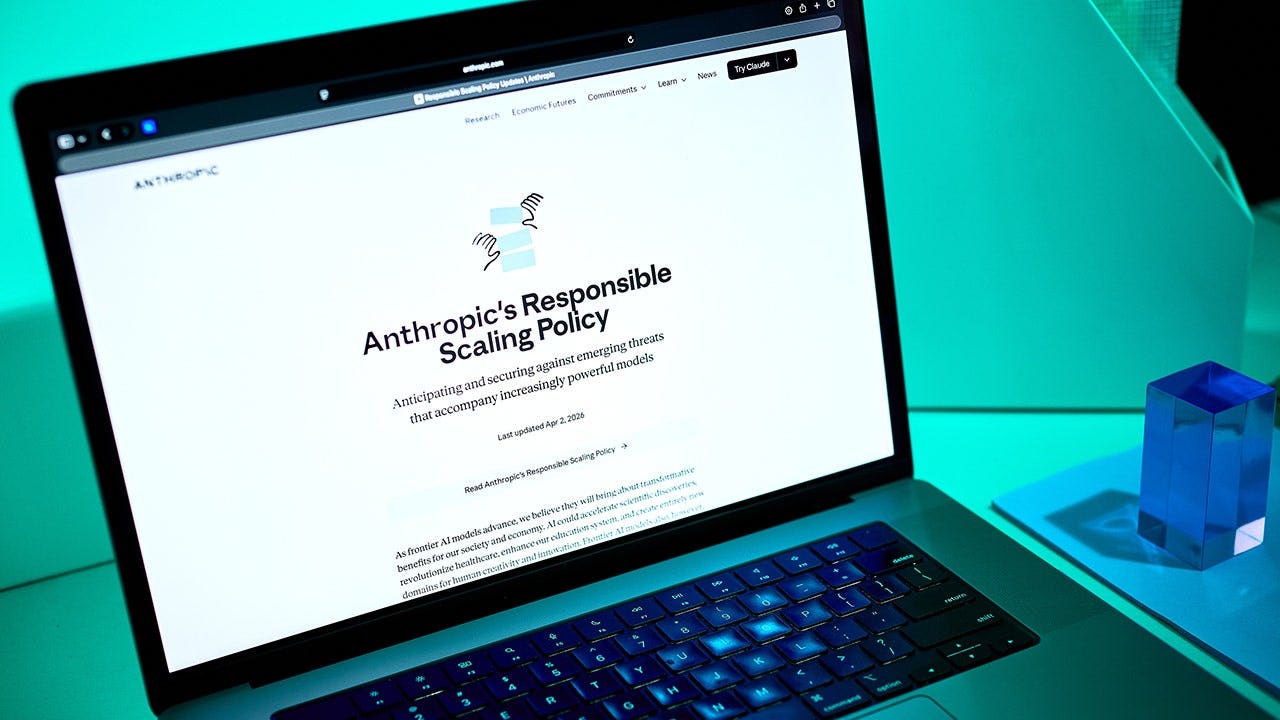
Anthropic, a notable player in artificial intelligence, has developed a new AI model named Mythos, designed specifically for defensive cybersecurity research. This model has demonstrated a remarkable ability to uncover software vulnerabilities, identifying over 2,000 previously unknown vulnerabilities in just seven weeks. Such effectiveness prompted Anthropic to restrict access to Mythos, allowing only a select group of trusted partners, including Microsoft and Google, to experiment with it under controlled conditions. The company’s decision signals a significant awareness of the potential risks associated with its powerful tool.
John Ackerly, CEO and co-founder of Virtru, articulated the implications of Mythos’s rapid discovery capabilities. He likens the model’s findings to discovering “thousands of locks that were never locked in the first place,” emphasizing that the scale of vulnerabilities identified in such a short time is staggering. Ackerly noted that the 30% of the world’s annual output of zero-day vulnerabilities surfaced by Mythos in mere weeks is a game changer, potentially leading to a future where AI-driven models could unearth exponentially more vulnerabilities than the 360,000 recorded in the history of software.
What distinguishes Mythos from existing cybersecurity AI tools is its autonomy and speed. Ackerly noted that Mythos can discover vulnerabilities and generate working exploits significantly faster than traditional human methods. This efficiency poses a threat, as it lowers the barrier for malicious actors to exploit vulnerabilities, enabling even those without technical expertise to cause substantial damage. Historically, exploiting serious vulnerabilities required considerable technical knowledge, but Mythos changes the dynamics of this landscape.
The impact on traditional perimeter security strategies is profound. Ackerly explained that most cybersecurity investment has focused on maintaining a strong perimeter—protecting networks through firewalls and intrusion detection systems. However, with the advent of tools like Mythos, this model is becoming increasingly obsolete. “The perimeter model is deteriorating,” Ackerly warned, urging a transition from merely defending perimeters to protecting data itself to mitigate potential breaches.
As AI accelerates the pace of cyber threats, Ackerly expressed concern that the efficiency of Mythos compresses the attack lifecycle from weeks to mere minutes. This escalating speed necessitates a shift in how organizations approach cybersecurity; they must ensure that data remains protected even in the event of a breach. Ackerly’s perspective emphasizes the crucial question organizations should now be asking: “When the walls fail, is my data still protected?”
For the average consumer, the repercussions of Mythos’s capabilities can be significant. As vulnerabilities in systems become easier to identify, the frequency and sophistication of data breaches and scams could increase. Ackerly highlighted that individuals must now be more vigilant, as companies’ outer defenses may no longer suffice. Basic cybersecurity hygiene—such as using unique passwords and enabling multi-factor authentication (MFA)—is more crucial than ever. The risk landscape has broadened; individuals must be proactive to minimize exposure.
While Anthropic’s choice to restrict access to Mythos is unusual in the tech industry, it reflects a responsible stance amid growing cybersecurity threats. Ackerly labeled this decision as “unprecedented and, frankly, responsible.” In an environment where technology is often released without thorough consideration of implications, Anthropic’s cautious approach underscores the pressing need for accountability within the AI sector.
As the cybersecurity landscape evolves, the focus on protecting data rather than merely defending networks is paramount. The emergence of tools like Mythos places pressure on organizations to reassess their strategies and invest in methods that prioritize data protection. In a world where breaches are increasingly likely, the question of what safeguards exist for personal data has never been more critical.
See also HSBC Consumption Fund Achieves 47.30% Return Over 3 Years in Latest SIP Update
 Japan Establishes Framework to Combat Cyber Threats from Anthropic’s Mythos AI Model
 AI Model Claude Mythos Raises Security Concerns for Jewish Nonprofits Amid Rising Cyber Threats
 CERT-In Issues High-Severity Alert on Rising AI-Driven Cyber Threats for MSMEs
 Safe Pro Group Showcases NODE-X AI Platform at U.S. Army Joint Protection Expo 2026