OpenAI’s Musenet, introduced in April 2019, marked a significant advancement in the field of artificial intelligence-driven music composition. This system harnesses deep learning techniques to generate original music across various genres and formats, paving the way for the exploration of AI’s role in creative industries. As this technology continues to evolve, it raises important questions about the implications of AI-generated music in terms of artistry, authenticity, and copyright.
Recent developments in AI music generation tools, such as AIVA Technologies’ AIVA, underscore the increasing sophistication of these systems. AIVA, which has been actively utilized in various applications since 2023, serves as a music generation assistant that enables users to create compositions tailored to specific emotional tones. This capability illustrates how AI can serve not just as a tool but also as a collaborator in the creative process, offering musicians new avenues for exploration.
A growing body of research is focusing on the psychological and technical aspects of AI in music. A 2024 study presented at the International Congress on Information and Communication Technology examined public perceptions of AI-generated music, highlighting a dichotomy in attitudes toward artificial creativity. This inquiry reflects broader societal concerns regarding the authenticity of AI-generated works and their potential impact on human musicians.
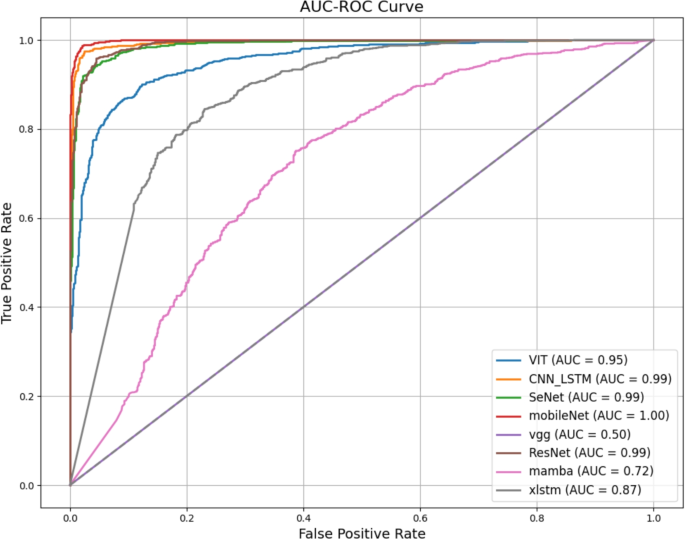
As AI technologies proliferate, the challenge of detecting AI-generated content becomes ever more pressing. Papers such as “From audio deepfake detection to AI-generated music detection” provide an overview of the methodologies being developed to discern between human and AI-composed music. This field is particularly relevant as concerns about audio deepfakes—synthetic audio that mimics real human voices—continue to rise. For instance, research published in 2024 has demonstrated that distinguishing between authentic and AI-generated music can be deceptively difficult, with some studies indicating human detection rates comparable to chance.
In light of these advancements, new datasets and detection frameworks are being constructed to aid in the identification of synthetic music. The Fakemusiccaps dataset, also introduced in 2024, aims to improve the detection and attribution of music generated through text-to-music models. Such initiatives underscore the importance of developing robust detection tools in a landscape increasingly populated by AI-generated content.
Despite these challenges, the integration of AI in music generation is providing fresh opportunities for innovation. Notable works, such as “Relyme,” which explores the relationship between lyrics and melody generation, exemplify the potential for AI to enhance musical composition. The incorporation of deep learning techniques allows for more nuanced and context-aware music production, potentially transforming how songs are created and experienced.
Moreover, the ongoing research into AI-generated music emphasizes the complexity of its implications. Investigations into how audience engagement with AI music differs from traditional compositions are crucial for understanding the future of music consumption. For example, studies indicate that audiences may respond more positively to music that they perceive as uniquely human, which poses further questions about the role of AI in creative fields.
As the technology matures, so too does the conversation around its ethical implications and creative boundaries. The potential for collaboration between human musicians and AI systems raises questions about authorship and artistic intent. With advancements in AI capabilities, musicians are encouraged to rethink what it means to create music and how they can harness these tools to enhance their artistry.
In summary, the evolution of AI in music generation, exemplified by platforms like OpenAI’s Musenet and AIVA, is reshaping the landscape of musical composition. The growing body of research into detection methodologies and audience perceptions demonstrates the complexity and potential of AI in creative industries. As this technology continues to develop, the dialogue around its artistic and ethical implications will likely intensify, challenging traditional notions of creativity and prompting new forms of collaboration between human artists and AI.
See also Mayo Clinic’s AI Tool REDMOD Detects Pancreatic Cancer Up to 3 Years Early
 CNU Launches Pioneering Artificial Intelligence Major for 2026 Academic Year
 MatterChat Unveils Multimodal LLM Achieving 95% Accuracy in Material Property Predictions
 OSU Study Reveals AI Overreliance Threatens Cognitive Skills in STEM Students
 MIT Reveals Study Mapping AI Capacity in Central Eurasia to Guide Investment Strategies