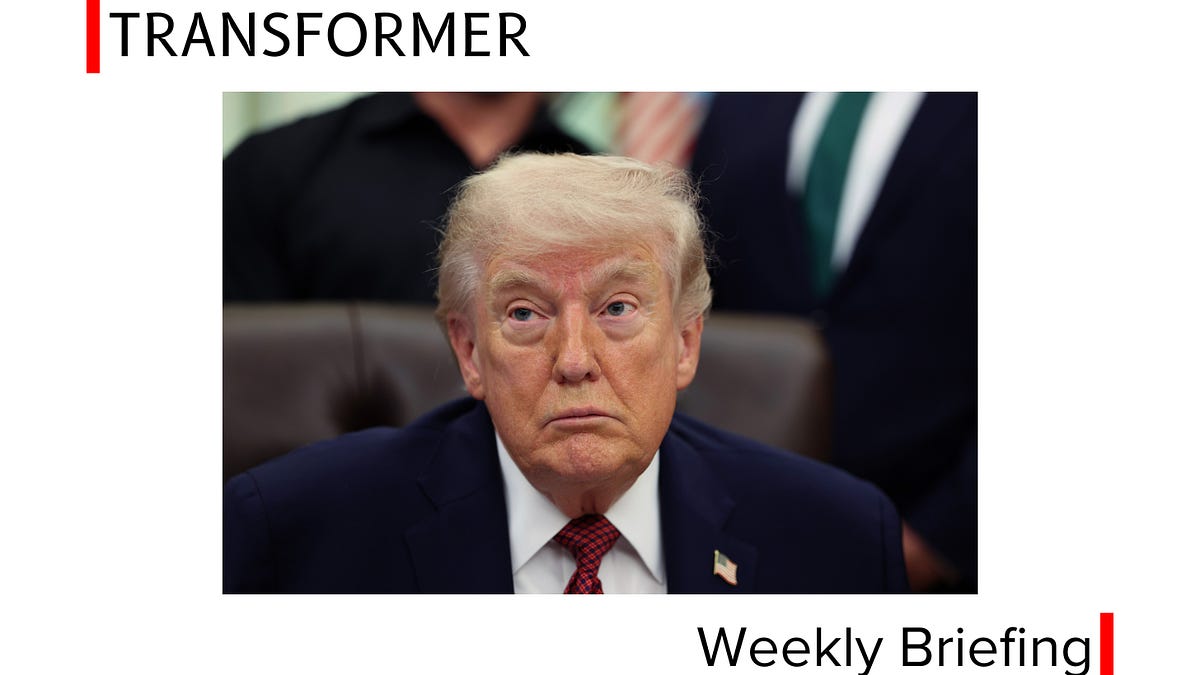
The U.S. government has taken a significant step in regulating the deployment of artificial intelligence (AI) models, albeit in a somewhat informal manner. Reports from the Wall Street Journal indicate that the White House has advised Anthropic against expanding access to its AI model, Mythos, citing concerns over its potential use in cyber operations and the company’s current computational capacity to support both commercial and governmental clients.
This intervention marks a notable development in the government’s approach to AI, as it appears to be moving towards a more controlling role in deployment decisions. While there are merits to such oversight—given that models like Mythos have capabilities relevant to national security—the ad-hoc nature of the White House’s actions raises questions about its authority and the absence of established regulations.
Critics argue that the government’s lack of a formal framework for these interventions creates an “informal, highly improvised licensing regime,” as described by Dean Ball, a former AI advisor to the Trump administration. Such a situation could lead to inconsistencies and a reliance on personal relationships rather than established legal standards. For instance, while Anthropic could have technically disregarded the White House’s request, the potential for a strained relationship with the government likely influenced compliance.
The urgency for a structured regulatory approach has been underscored by years of warnings from researchers and policy analysts about the implications of AI on national security. However, legislative action has lagged, leaving critical business decisions to be made based on informal consultations rather than clear guidelines. This lack of clarity poses a risk; as political winds change, so too could the implications of existing informal agreements.
In a related development, Senator Ted Cruz and Senator Brian Schatz introduced the CHATBOT Act, a child-safety bill that aims to mandate parental controls for chatbot developers and limit access for users under the age of 13. The bill, however, has been criticized for its significant loopholes, including exemptions from liability for developers who lack definitive evidence of a user’s age. Skeptics suggest that the bill more effectively serves the interests of “Big Tech” than those of child safety advocates.
While the CHATBOT Act signals a political willingness to address child safety in AI, there is concern that it may serve to stifle more comprehensive discussions about AI governance. Weak legislation could provide a false sense of security while leaving more complex issues—such as cybersecurity, autonomous weapons, and job automation—unaddressed amid partisan gridlock.
The introduction of the CHATBOT Act is accompanied by increasing scrutiny from federal agencies and various stakeholders. For instance, the House Homeland Security Committee and the China Select Committee have sent inquiries to companies like Airbnb and Anysphere regarding their use of Chinese AI models. Additionally, the Trump DOJ has joined xAI’s lawsuit challenging Colorado’s AI Act, which it claims violates the Equal Protection Clause.
As these legislative and regulatory actions unfold, the landscape of AI governance is rapidly evolving. The White House is reportedly drafting an AI policy memo to supplant President Biden’s previous national security memorandum on AI, while efforts to codify various recommendations from the House AI task force are also in motion.
In other significant news, the trial between Elon Musk and OpenAI commenced this week, centering around claims that Musk’s original vision for OpenAI as a nonprofit was compromised. Musk’s lawsuit alleges breach of charitable trust and unjust enrichment, focusing on the organization’s shift away from its founding principles. OpenAI’s legal team has countered, arguing that Musk’s claims are self-serving and stem from his desire to exert control over the organization.
Meanwhile, Google has signed a controversial deal with the Pentagon allowing the use of its AI models for classified work, prompting backlash from some of its employees. The tech giant’s recent investment in Anthropic further underscores the ongoing consolidation and competition in the AI sector.
As various factions within Congress and the tech industry grapple with the implications of AI, the urgency for effective governance has never been clearer. The recent moves by the White House and lawmakers may represent a turning point, but they also reflect a broader struggle to balance innovation with safety and ethical considerations. As AI continues to evolve, so must the frameworks that govern its use, making it imperative for legislators to act decisively in the face of emerging challenges.
See also Senate Bill 1012 Advances AI Regulation, Mandates Disclosure in Political Ads
 AI Revolutionizes Fashion: New Laws Address Digital Likeness Rights and Advertising
 Rodriguez Unveils SB 189 to Revamp Colorado’s AI Regulations, Easing Burdens for Businesses
 SymphonyAI Launches Real-Time Compliance Model, Reducing Investigation Time by 60%
 AI Agent Powered by Claude Deletes PocketOS Database, Ignoring Safety Protocols