






















































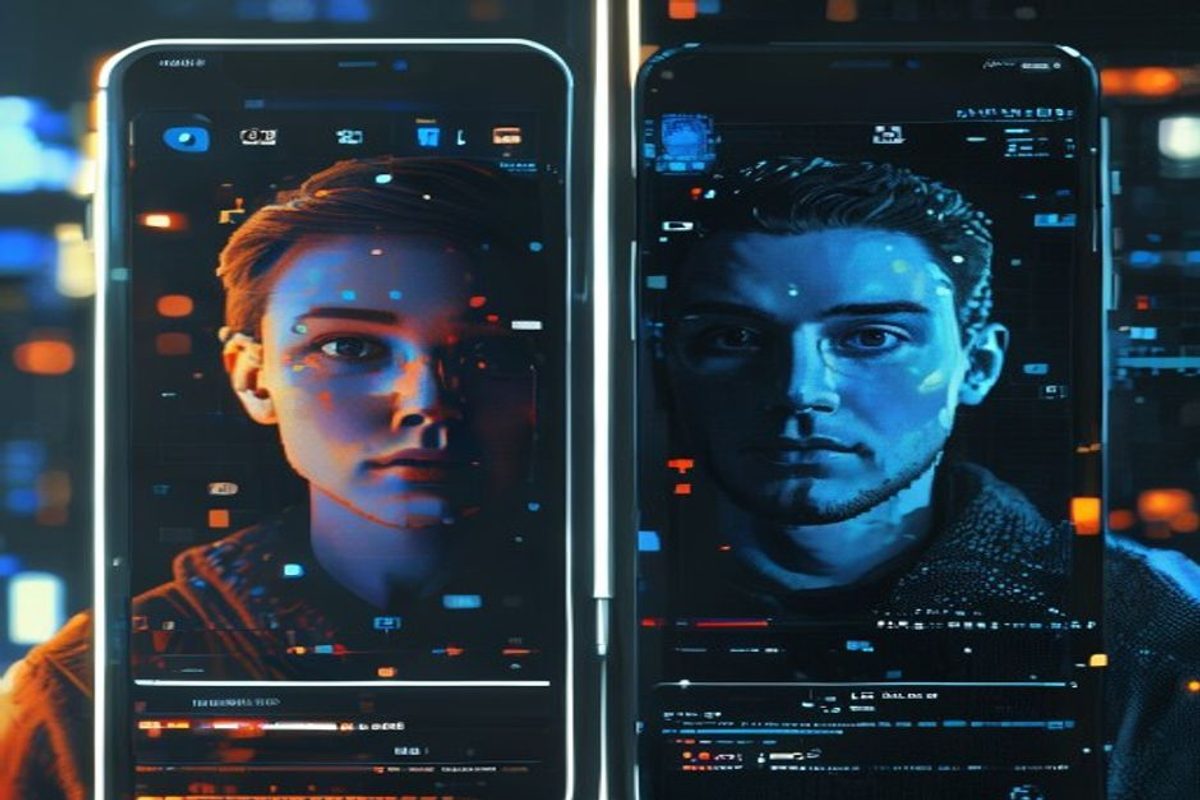
OpenAI’s RealityForge 2.0 has achieved a significant milestone in artificial intelligence, making AI-generated videos nearly indistinguishable from human-created footage. Instead of sparking a retreat to authenticity, the technology has accelerated a surge in AI-synthesized content, with uploads on platforms like YouTube Shorts and TikTok increasing by 40% in just one week. This challenges the prevailing narrative that consumers would eventually prefer authentic content as AI capabilities advance.
RealityForge 2.0, launched on April 15, is not just another incremental improvement; it represents a fundamental shift in content creation. The platform can generate photorealistic videos in real time with such low latency that the average viewer is unable to discern the difference between AI-generated and human footage. The core question has shifted from whether AI can effectively mimic human creativity to whether consumers even care if it does.
Dr. Elena Vance, an AI ethicist, has challenged the narrative that consumers would recoil from synthetic content in favor of authentic experiences. Citing the Global Content Consumption Report, she notes that 73% of viewers under 30 prioritize entertainment value and visual fidelity over the verified human origin of the content they consume. This finding reflects a significant majority of a demographic that advertisers and media companies are eager to engage.
The idea of a ‘return to authenticity’ presupposes that disclosure about synthetic content would diminish its emotional impact. However, the data suggests this assumption is more wishful thinking than reality. Audiences primarily seek emotional connection, entertainment, and information. If an AI-generated video can provide that more consistently than an exhausted human creator, viewers are unlikely to miss the latter.
The financial implications are substantial. A recent report from Vanguard Digital projects that AI-generated personalities may represent 50% of brand ambassador content by the fourth quarter of 2026, which could redirect approximately $15 billion away from human creators. While this estimate may seem bold, the adoption rates of RealityForge 2.0 in its initial week lend credence to these projections. Brands are increasingly incentivized to adapt to a landscape where synthetic content offers cost-effective alternatives, requiring no travel budgets or reputation management.
OpenAI’s Sam Altman has been cautious in discussing the societal implications of RealityForge 2.0, but the product launch itself signals a significant shift. OpenAI is not developing tools for a society retreating from synthetic media but rather for one that has come to accept it as a standard production utility. This is reminiscent of how Instagram filters were adopted after their launch in 2010, even as critics warned of potential trust issues in visual media. The expectation around authenticity evolved, focusing more on emotional engagement than technical accuracy.
The real disruption lies not in authenticity as a cultural value but in how it serves as a market positioning strategy. Brands and creators that have built their reputations on the premise that human-made content is superior now face stiff competition from synthetic alternatives that are cheaper, scalable, and increasingly high-quality. The creators who navigate this transitional period successfully will likely pivot toward aspects of content that AI cannot replicate—such as lived expertise, real-time credibility, and trust built over years. These elements remain rare, while photorealistic video is becoming commonplace.
As the landscape shifts, it will be crucial to observe which human creators emphasize depth over production quality and which platforms choose to spotlight genuinely human voices. This emerging ecosystem may create a certification market around authentic content, potentially offering a defensive moat for creators who can still provide what AI cannot.
See also Kuaishou’s Kling AI Surpasses $300M ARR and Hits 12M Monthly Active Users in 2026
 MINIX Launches T4000 and T5000 AI Workstations with Up to 2070 TFLOPs Performance
 GPT Image 2 Launches as Fast, User-Friendly AI Image Generator for Text-to-Image Creation
 MSPs Face AI-Driven Cyber Threats: Strategies to Strengthen Defenses Revealed
 OpenAI Launches GPT-5.5 Just Six Weeks After GPT-5.4, Boosting AI Efficiency and Accuracy














