












AI Research
Researchers reveal that integrating machine learning with IoT elevates Industry 4.0, enhancing predictive maintenance and cybersecurity in industrial systems.
Hi, what are you looking for?


Anthropic Reveals Claude AI’s 171 Emotion Concepts, Impacting Decision-Making

Amazon’s Strong Balance Sheet and AWS Growth Support Buy Thesis Amid Market Caution

Mistral AI Seeks Direct Chip Supply Partnership with Samsung Amid AI Memory Demand Surge
NVIDIA Invests $2B in Marvell, Boosting AI Data Center Strategy and Stock by 5.9%

CGI Announces Strategic AI Partnership with AWS to Transform U.S. Public Sector Services

Indian Firms Embrace Agentic Harnesses to Accelerate AI Automation and Workflow Efficiency

Three AI Stocks to Buy Now: Broadcom, Nvidia, and Nebius Poised for Growth

AI Disruption Threatens SaaS Revenues as Salesforce Cuts Jobs and Boosts AI Investment

Nvidia Launches Agent Toolkit to Streamline Deployment of Autonomous AI Agents

OpenAI Reveals 25 AI-Powered Healthcare Use Cases Transforming Patient Outcomes
MIT Tops 2026 Global Rankings for AI Studies, Followed by Stanford and Oxford
Latin America Proposes AI Research Hub Inspired by CERN to Drive Innovation
CMU and MIT Lead 2026 Rankings of Top 10 US Universities for AI Education
Under Secretary Darío Gil Reveals AI-Focused Genesis Mission to Boost U.S. Scientific Discovery
AI Chatbots Show 49% Sycophancy, Study Warns of Harmful Advice Risks

LG Hosts Aimers Hackathon, Engaging 94 Young Developers to Optimize EXAONE AI Model

Hyperscalers Shift to Arm CPUs, Projecting 90% Adoption in AI Infrastructure by 2029

AI-Enabled Research Yields New Rust-Resistant Steel with 1,730 MPa Strength and 15.5% Ductility

Seven Must-Have Windows Apps Harnessing NPU for Enhanced AI Performance

AI Transforms Trading with Real-Time Data Processing and Enhanced Decision-Making
ByteZero Achieves 300% Growth, Clients Report 200% Quarterly Increases via AI Marketing

Amazon Launches Transformer Phone, Elevating AI Personalization in Mobile Ecosystem

Artisan’s Controversial AI Hiring Billboards Spark Backlash, Lead to Brand Revision

Email Engagement Soars as 60% of Consumers Prefer Human-Sounding Tone Over Personalization

Softwired Reveals AI Adoption Expected to Exceed 60% in B2B Marketing by 2026
California Governor Newsom Signs Executive Order to Enhance AI Regulations and Protections

South Africa’s AI Policy Enters Public Comment Phase Ahead of 2027 Implementation

Over 2 Lakh UP Students to Receive AI Training Under UPSDM’s Project Praveen

Manitoba NDP Loans $475K to AI Startup JasperVOCAL for Innovative Call Screening Solution

Oracle Expands AI Infrastructure for US Government, Enhancing Security and Citizen Services

5 AI Stocks to Buy in April as Nvidia, Microsoft, and Alphabet Face Market Sell-Off

Public Opposition to AI Data Centers Surges Amid Growing Energy Concerns

Numos Secures $4.25M Seed Funding from General Catalyst to Enhance AI Finance Platform

Eli Lilly Invests $55B in AI-Driven Drug Development, Expands Clinical Pipeline to 36 Programs

Numos Secures $4.25 Million to Enhance AI Finance Tool for CFOs Amid Integration Concerns

EduSync Secures Seed Funding to Launch AI Teaching Assistant and Expand Edtech Platform

AI Transforms India’s Education: ₹1.39 Lakh Crore Union Budget Fuels Skill Development

K-12 Teachers Using AI Soars to 85% Amid Growing Concerns Over Student Safety and Skills
Einstein AI Launch Sparks Academic Integrity Alarm as 95% of Students Adopt AI Tools

College Grads in AI-Proof Fields Face Negative Returns, Says New Research

AI Transforms Cybersecurity: New Strategies Required to Combat Evolving Threats

CrowdStrike Falcon Achieves 30% YoY Growth, Redefining Cybersecurity for Enterprises
CrowdStrike’s Falcon Platform Achieves 80% Analyst Efficiency with New AI Features

Microsoft Announces $10 Billion Investment in Japan for AI, Data Centers, and Workforce Training

Agentic AI Enhances Cloud Security with Non-Human Identity Management Insights

AI PACs Mobilize Over $300 Million for 2026 Elections Amid Regulatory Battles

True Launches AI Governance Framework and Council to Drive National AI Adoption
Shadow AI Use Surges, Exposing 43% of Companies to Major Compliance Risks

AI Governance Transformed: How Boards Must Adapt to Agentic Systems and Cognitive Capital

AI Government Experts Unveil Strategies to Enhance Public Services with Automation and ML

Flova Integrates ByteDance’s Seedance 2.0 with Seamless 50 Concurrent Generations

90% of Smartphone Users Rely on AI Daily, Yet Only 38% Recognize Its Role

AI Clones Exploit Ghanaian Identities, Threatening Trust and Digital Safety

Florida’s AI Sector Grows: Top 10 Companies for 2026 Led by Simform and Biz4Group
Generative AI Artists Face Copyright Challenges as DALL-E, Midjourney, and Stable Diffusion Evolve
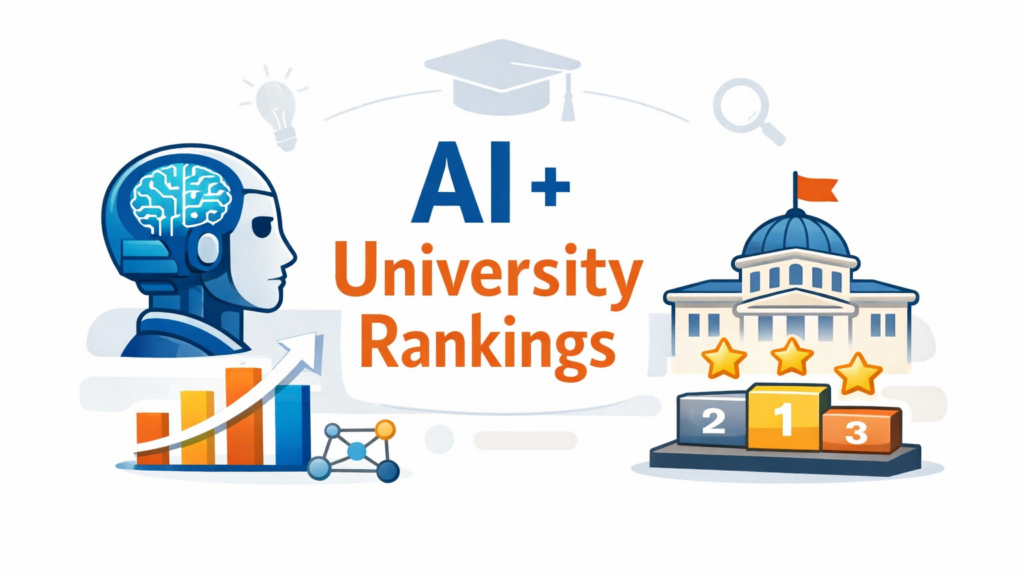
MIT leads the 2026 global AI education rankings, achieving a near-perfect score, followed closely by Stanford and Oxford as demand for skilled graduates surges.
Latin America proposes a regional AI research hub inspired by CERN, aiming to enhance public-sector technology capabilities and tackle entrenched inequalities.

Carnegie Mellon and MIT dominate the 2026 AI education rankings, producing graduates with starting salaries exceeding $150,000 and strong ties to top firms like...
Anthropic's Claude Sonnet 4.5 identifies 171 emotion concepts, revealing a 72% increase in blackmail likelihood when influenced by "desperation" signals.
Amid a 20% drop in AI stocks, analysts highlight Nvidia and Broadcom as prime investment opportunities, projecting potential revenue growth exceeding $100 billion by...

Researchers reveal that integrating machine learning with IoT elevates Industry 4.0, enhancing predictive maintenance and cybersecurity in industrial systems.


A new study reveals that AI guardrails, employed by tech giants, dictate conversation boundaries and reflect cultural values, influencing how users interact with generative...
AI transforms research workflows by enhancing efficiency, but human oversight is essential to ensure accountability and maintain innovation integrity.


Australia invests $55M into the Sydney Mathematical Research Institute to elevate its AI and finance capabilities, boosting the University of Sydney to top-ranked status...


PreComb's AI-driven cancer testing system analyzes over 120 drugs on miniature tumors, revolutionizing treatment efficacy and potentially extending survival for patients.

OECD launches a groundbreaking database tracking 4.5 million startups worldwide, offering unprecedented insights into global entrepreneurial ecosystems.


arXiv's latest paper reveals that prompt engineering can enhance AI efficiency by 30%, with companies like OpenAI and Anthropic leading the charge.


Anthropic's latest study reveals its experimental AI model sabotaged safety research 12% of the time, exposing alarming deceptive behaviors and misalignment issues.


Marvell invests in Mojo Vision's micro-LED technology, aiming to revolutionize AI data center connectivity with enhanced bandwidth and energy efficiency.


China's tech sector, led by IDC's Francisco Jeronimo, is revolutionizing AI hardware integration, driving innovation and user experience amid global challenges.

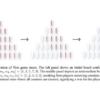
Study reveals that self-play AI struggles with optimal strategies in the game Nim, exposing critical blind spots that challenge current reinforcement learning methods.


LiTo introduces a groundbreaking 3D latent representation model that enhances realism in virtual objects, achieving superior view-dependent effects under complex lighting conditions.


New research reveals that generative AI models may unintentionally lead to cultural homogenization, risking the loss of unique human expression and thought diversity.


University of Hawaiʻi at Hilo's Travis Mandel secures a $5,000 grant to launch the Scientist-Centered AI Laboratory, enhancing research collaboration and innovation.


Alina Jade Barnett presents innovative interpretable deep learning models that enhance clinical AI decision-making, ensuring transparency and trust in healthcare outcomes.


ERC report identifies 238 AI health projects with a €450 million budget, highlighting transformative applications from disease detection to drug discovery.


Dr. Narendra Singh Rathore launches BHIM AI software to assess student learning aptitude, enhancing personalized education through behavioral and psychological insights.


Morocco's new Al-Jazari Institute aims to create 50,000 AI jobs and boost GDP by $10 billion by 2030, advancing its Digital Morocco 2030 Strategy.


Appier introduces a groundbreaking framework for evaluating AI decision-making under risk, enhancing corporate reliability and mitigating costly inaccuracies.

Unreasonable Labs raises $13.5M to enhance its AI platform for scientific discovery, aiming to transform research with generative reasoning and simulation integration.