

















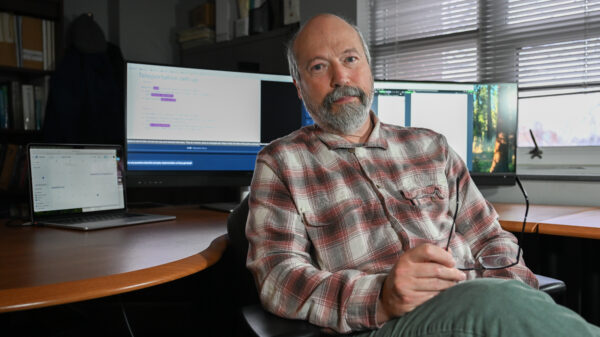
































California is pushing municipalities to streamline the approval process for building permits, particularly for rooftop solar projects, as part of a broader initiative to tackle the housing affordability crisis. Vancouver architect Arno Matis has experienced firsthand the significant delays in securing these permits, which he notes have been exacerbated by increasingly complex regulations and the proliferation of municipal departments involved in project approvals.
“What we were finding was that as regulations were getting more and more complex… the time to get through all of this was getting multiplied quite dramatically,” Matis stated, highlighting that for some mid-size projects in Vancouver, the approval timeline could stretch to two or three years. This situation has left clients frustrated, as they wait longer for approvals than it takes to actually construct the buildings.
While Conservative Leader Pierre Poilievre has pointed fingers at municipal “gatekeepers,” Matis attributes the delays to an accumulation of zoning policies and technical requirements that burden municipal officials tasked with vetting projects. In response, Matis is exploring the use of specialized digital tools, including artificial intelligence, to expedite the approval process.
Last fall, Matis’s firm entered a technology-development partnership with Australian firm Archistar, which has developed AI tools capable of verifying compliance with zoning rules and building codes. Founded in 2010 by architect Benjamin Coorey, Archistar’s software is now utilized by municipalities, developers, and architects across regions including California, Texas, New York, B.C., and Edmonton.
The potential of AI in this sector is underscored by the emergence of various tech firms such as Symbium, GovStream.AI, and CivCheck, which are launching AI-based platforms aimed at automating the permit approval process. In California, the state has enacted laws mandating rapid approvals for specific projects like rooftop solar installations and accessory dwelling units (ADUs).
The City of Toronto is also exploring ways to automate parts of the permitting process. According to Kamal Gogna, the city’s chief building official, Toronto is reviewing software firms to help automate the prescreening of development applications. A pilot version of this initiative is expected to launch in the fall, aiming to expedite initial responses from weeks to hours.
Proponents of these technologies argue that they could allow planners to focus on more complex aspects of the approvals process, freeing them from repetitive, routine tasks. “Ultimately, the idea is to use the technology tools to reduce the bottlenecks in this process,” Matis explained, emphasizing that traditional permit processing methods have remained largely unchanged for a century.
Despite the availability of advanced software tools like AutoCAD and geographic information systems (GIS), the intricate process of determining compliance with zoning and building codes has resisted automation. The challenge lies in the outdated nature of both building plans and municipal regulations, which exist in written form rather than as computable data.
AI-driven permitting software is designed to assess whether proposed structures meet local regulations, such as setback requirements. This capability is crucial for expediting the approval process, as software can identify compliance issues before plans are formally submitted to municipalities, thereby reducing the number of necessary revisions.
Some California municipalities have already begun implementing online application portals for standardized projects like rooftop solar installations and ADUs. These AI systems can flag non-compliance details and potentially reduce processing times from weeks to mere minutes, depending on the project’s complexity.
In Kelowna, a city recognized as an early adopter of AI, homeowners and contractors can apply for permits via similar portals. The AI assists in verifying technical details and requesting missing information, although as James McGregor, the chief technology officer of Kelowna, noted, there remains a human element in the review process to ensure thoroughness.
Toronto’s proposed AI system aims to provide quick responses for any development application regarding zoning compliance. Gogna anticipates that the technology will enable quicker initial feedback, while the comprehensive review will still depend on planners and code examiners.
Planning scholar Pamela Robinson from Toronto Metropolitan University cautions against viewing such tools as a cure-all for bureaucratic inefficiencies. Instead, she sees them as a means of enhancing productivity within planning departments, allowing professional planners to allocate their time to more critical tasks amidst the increasing complexity of city-building. “If you can reduce the time people spend checking boxes, what else could they work on?” Robinson queried, emphasizing the need for a more efficient and human-centered permitting process.
See also Top 10 AI Tools for Teachers in 2026: Boost Productivity and Enhance Learning
 Judge Rules AI-Generated Documents Lack Attorney-Client Privilege in Heppner Case
 Amazon Web Services Disruption Linked to Kiro AI Misconfigurations, Claims Report
 Sarvam Launches Indus AI Chatbot with 105B Model and Multilingual Support in India
 Isomorphic Labs Reveals IsoDDE, a Major Advance in AI Drug Discovery