
















































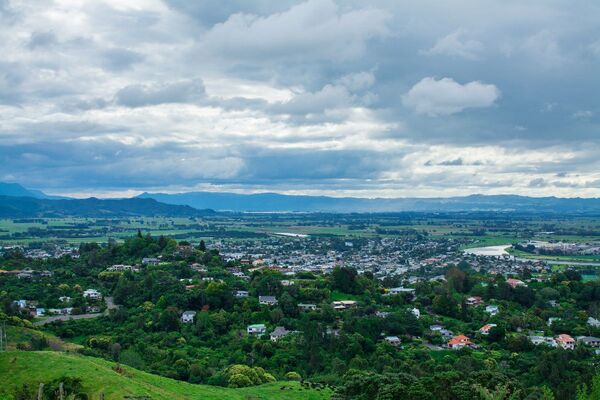
The Eastern Bay of Plenty region in New Zealand is poised to face increasingly severe weather conditions, a trend that is expected to impact local grid infrastructure. Horizon Networks, a key player in the region’s electricity distribution, is collaborating with Rhizome to implement the gridAdapt AI tool. This initiative aims to enhance the company’s distribution planning processes and optimize its investment strategies in response to the growing challenge of climate change.
The collaboration comes at a critical juncture as recent reports highlight the urgent need for robust utilities infrastructure to withstand climate volatility. As weather patterns become more unpredictable, the electricity grid is particularly vulnerable, necessitating advanced tools and methodologies for effective management. Horizon Networks intends to leverage the capabilities of gridAdapt AI to better forecast demands and address potential disruptions caused by adverse weather events.
gridAdapt AI is designed to analyze vast amounts of data, helping utilities like Horizon make informed decisions about infrastructure investment and maintenance. By utilizing machine learning algorithms, the tool provides insights into grid performance, identifying areas that may require upgrades or reinforcement. This proactive approach not only aims to enhance reliability for consumers but also to streamline operational costs during a time when many utilities are facing increased pressure to maintain service quality amidst external challenges.
The partnership also underscores a growing recognition within the utility sector of the need for technological integration to combat the effects of climate change. As utilities worldwide grapple with the implications of rising temperatures and extreme weather, the Eastern Bay of Plenty serves as a pertinent case study in adapting to these challenges through innovation.
Rhizome, known for its expertise in AI-driven solutions, brings valuable insights to the table, working closely with Horizon to tailor the gridAdapt tool for specific regional needs. This cooperation reflects a broader trend within the utility industry, one that increasingly embraces technological advancements as a means of enhancing resiliency and efficiency.
As climate-related disruptions become more frequent, the urgency to modernize infrastructure is paramount. Horizon Networks’ initiative with Rhizome illustrates a proactive stance that could serve as a model for other regions grappling with similar challenges. By focusing on data-driven decision-making, the company aims to create a more robust energy network that can adapt to future shifts in climate patterns.
Looking ahead, the success of this initiative could set a precedent for how utilities approach infrastructure planning and investment in the face of climate uncertainty. The integration of AI tools like gridAdapt may pave the way for a more resilient energy grid, ultimately benefiting consumers and supporting regional sustainability goals. As weather phenomena continue to evolve, the strategies adopted today will be crucial in shaping the future of energy distribution in New Zealand and beyond.
See also Gumloop Raises $50M to Empower Employees with No-Code AI Agent Creation
 KaJ Labs Reveals Lithic Developer Stack for AI-Powered Smart Contracts and Decentralized Apps
 Agentic AI Sparks 63% Growth in End-to-End API Workflow Testing, Says KushoAI Report