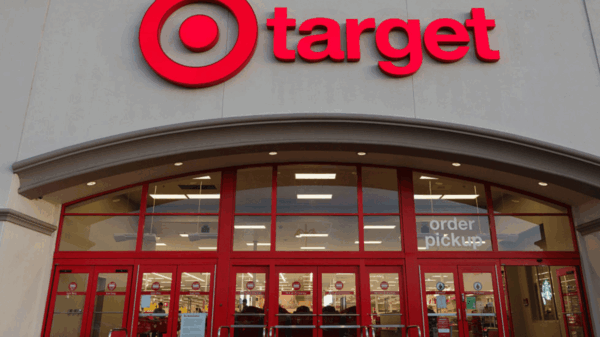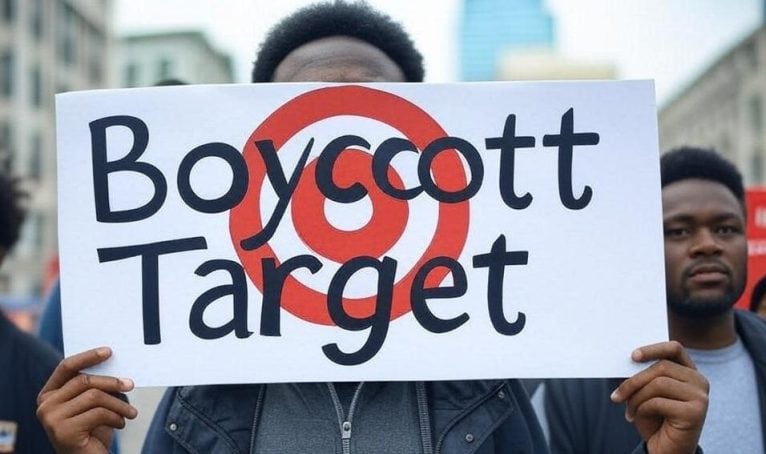
After nearly a year of organized protest, Pastor Jamal Bryant and a coalition of community leaders have officially concluded the Target Fast boycott. The announcement was made on Wednesday following direct discussions with Target’s leadership team, including newly appointed CEO Michael Fiddelke. Bryant’s group expressed satisfaction with the progress achieved during the campaign.
“We are effectively, today, closing this chapter because we have other fights that we’ve got to see,” Bryant stated. “Stay tuned for the next fight, but this fight for us has now reached its conclusion.” The campaign, which garnered over 300,000 signatures nationwide, emerged after Target decided to scale back its diversity, equity, and inclusion initiatives.
Key demands from Bryant’s coalition included commitments to support Black entrepreneurs, the establishment of internal inclusion programs, and the development of a partnership with historically Black colleges and universities (HBCUs) aimed at providing students with practical business training. Target’s existing Target Scholars program has allocated $10 million to assist 1,000 HBCU students over five years. Additionally, a nearly complete $2 billion commitment directed at Black-owned businesses is expected to increase by an additional $100 million before summer, according to Bryant.
Despite these advancements, one major request remains unfulfilled: the routing of $250 million through Black-led financial institutions. Bryant acknowledged that identifying banks capable of managing that level of capital will require more time. A spokesperson from Target reinforced the company’s commitment to being a supportive neighbor in the communities it serves, emphasizing a focus on delivering results for team members and customers.
The conclusion of the boycott signifies a pivotal moment for Target, as it seeks to restore its reputation and strengthen its engagement with minority communities. The coalition’s efforts not only highlight the power of organized grassroots activism but also illustrate the ongoing dialogue between corporations and community leaders regarding social responsibility and equity.
As the coalition turns its attention to new initiatives, Bryant hinted at forthcoming challenges, emphasizing the need for sustained advocacy. “We have other fights that we’ve got to see,” he reiterated, suggesting a relentless pursuit of change and accountability within corporate America. The future of Target’s relationship with its community stakeholders will likely hinge on its ability to address remaining demands and reinforce its commitments to diversity and inclusion.
See also HCA Healthcare’s CIO Chad Wasserman Reveals AI-Driven Strategies for Patient Care Excellence
 Microsoft Targets 3 Million Africans for AI Training Amid Rising Competition from DeepSeek
 Character.AI Faces Outage, Over 2,000 Users Report Login Issues, Status Under Investigation
 ByteDance Deploys 500 Nvidia Blackwell Systems in Malaysia, Tapping 36,000 B200 Chips
 Amazon Outpaces Microsoft with 24% Cloud Growth Amid AI Investment Surge