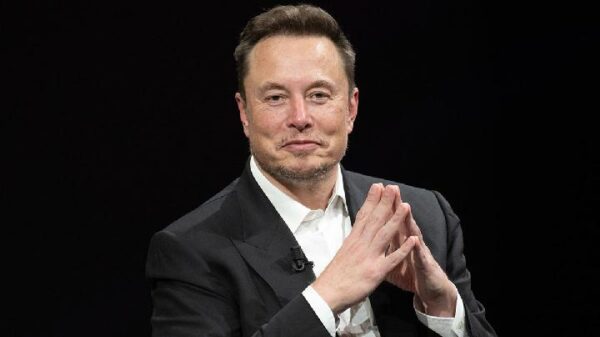
The U.S. Justice Department intervened on Friday in a lawsuit filed by Elon Musk’s xAI challenging a Colorado law designed to regulate artificial intelligence (AI) systems. The department’s intervention underscores the contentious debate surrounding AI regulation and the implications for developers operating in a rapidly evolving tech landscape.
According to the Justice Department, Colorado’s law violates the 14th Amendment’s equal protection guarantee. It claims the law mandates companies to guard against unintended discriminatory effects while allowing some forms of discrimination that aim to promote diversity. “Laws that require AI companies to infect their products with woke DEI ideology are illegal,” stated Harmeet Dhillon, the assistant attorney general for civil rights.
The Colorado attorney general’s office has chosen not to comment on the case. In its lawsuit, which was filed earlier this month in the U.S. District Court for Colorado, xAI seeks to prevent the state from enforcing Senate Bill 24-205, scheduled to take effect on June 30. This legislation imposes disclosure and risk-mitigation requirements on developers of “high-risk” AI systems used in decisions regarding employment, housing, education, healthcare, and financial services.
xAI argues that the law infringes on the First Amendment by restricting how developers design AI systems and compelling speech on divisive public issues. By positioning itself against the state-level regulation, xAI is not just defending its operations but is also engaging in a larger dialogue regarding the role of government in the tech sector.
The federal intervention marks a significant escalation from a single-company legal challenge to a direct confrontation between the Trump administration and Colorado over AI regulation. The Trump administration has advocated for a uniform legislative framework to govern artificial intelligence across the country, rather than allowing individual states to create their own regulations. This situation highlights the difficulties faced by state lawmakers as they navigate the complexities of regulating emerging technologies in an era marked by rapid innovation.
The implications of this legal battle extend beyond Colorado. As AI technologies become more integrated into various sectors, the need for clear regulatory guidelines becomes increasingly critical. Advocates for regulatory frameworks argue that well-crafted laws can mitigate risks associated with AI, such as discrimination and bias, while those in the tech industry caution against overly restrictive measures that could stifle innovation.
As the legal proceedings unfold, stakeholders in both the public and private sectors will be closely monitoring the outcome. The case not only tests the boundaries of state versus federal authority in technology regulation but also raises important questions about the ethical considerations surrounding AI development. With AI’s influence permeating more aspects of daily life, the need for a balanced approach to regulation is likely to remain a central theme in this ongoing discussion.
See also Justice Department Joins Colorado AI Law Challenge Over Discrimination Concerns
 Iridius Secures $8.6M to Transform Compliance in AI for Regulated Enterprises
 Trump’s AI Policy Framework Would Limit State Regulation Amid Growing Local Moratoriums
 AI’s Role in Medicine Faces Urgent Regulation as 1 in 3 Americans Turn to Chatbots for Care