In the wake of foreign interference in the 2016 U.S. election, election officials across the country have significantly bolstered their cybersecurity measures. This shift has been supported by more than $1 billion in federal funding aimed at enhancing election technology and security practices, allowing states to adopt critical protections like multifactor authentication, network monitoring, and system audits. A survey of state election officials indicates that most states are now implementing these recommended safeguards, driven by the need to protect voter registration databases from potential cyber threats.
Since 2018, the federal government has played a crucial role in providing resources, including free cybersecurity assessments and vulnerability scans, to help election officials better understand and mitigate risks. Although federal support has diminished in the past year, the overall cybersecurity capabilities of state election systems are markedly improved compared to a decade ago, thanks in part to a four-year, $1 billion grant program initiated in 2021 for state and local cybersecurity enhancements.
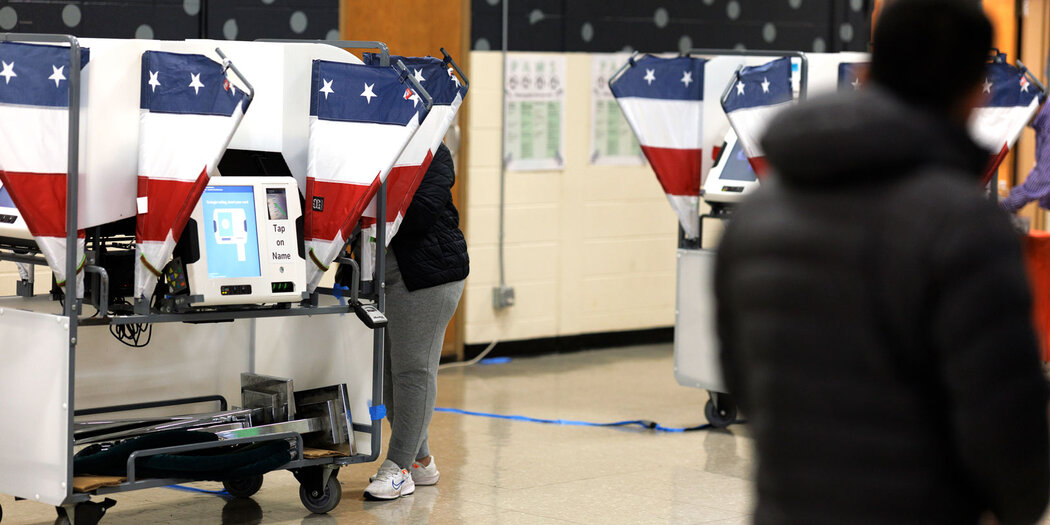
Importantly, election officials are not solely depending on these cybersecurity measures to ensure accurate vote counts. They have established comprehensive backup and recovery plans to prepare for unexpected issues, ensuring that eligible voters can cast their ballots and that every vote is counted. Unlike in 2016, when approximately 25% of votes were cast on paperless systems, nearly every vote now includes a paper record, allowing for manual verification in the event of a cyberattack. States have also implemented contingency plans, such as pre-printed ballots and paper pollbooks, to address technology failures at polling places.
Despite the progress made, the emergence of sophisticated tools like Anthropic’s Mythos model serves as a reminder of the evolving threats posed by AI-assisted cyberattacks. Election officials are urged to take this as a catalyst for renewed diligence rather than a cause for alarm. There is a pressing need for federal and state leaders to restore adequate and reliable funding for election security, akin to the substantial financial support provided following the 2016 incidents. The risks associated with AI-driven attacks underscore that maintaining election security is an ongoing challenge, requiring adaptive measures to keep pace with new threats.
As federal assistance wanes, states are called upon to mitigate the gap left by reduced federal funding. A recent survey by the Brennan Center for Justice revealed that a significant majority of local election officials support the continuation of federally offered services such as election security training and scenario-planning exercises. However, nearly 75% report that their state or local governments have not compensated for the federal cuts, highlighting an urgent need for enhanced local support.
The Election Security Exchange has suggested several cost-effective strategies that election officials can adopt, many of which are already being implemented. These include keeping software updated, utilizing password managers, enabling multifactor authentication, and conducting regular phishing training to bolster defenses against cyber threats.
As Anthropic embarks on Project Glasswing, aimed at securing critical software, there is a call for the company to consider extending these security measures to all software integral to the electoral process. The potential for AI-assisted cyberattacks is a reality that electoral officials must confront, yet the foundational work laid over the past decade provides essential safeguards against such emerging dangers. The responses to earlier threats have offered insights into future improvements, reinforcing the notion that the community can navigate this evolving landscape.
In conclusion, it is imperative that legislators and public officials commit to investing in effective security measures and collaborate closely with election officials to ensure that their protective strategies remain ahead of the threats that seek to undermine electoral integrity. The time for action is now, as the security of democratic processes rests on continued vigilance and proactive measures.
See also AI Threat Detection Reduces Alert Noise, Boosts Cyber Resilience for Enterprises
 India’s Cybersecurity Market Expected to Hit $8.4B by 2034 Amid AI Innovations
 Japan Forms Task Force to Tackle Cybersecurity Risks from Anthropic’s Mythos AI Model
 Seceon Inc. Launches AI-Powered Cybersecurity Platform for Real-Time Threat Detection