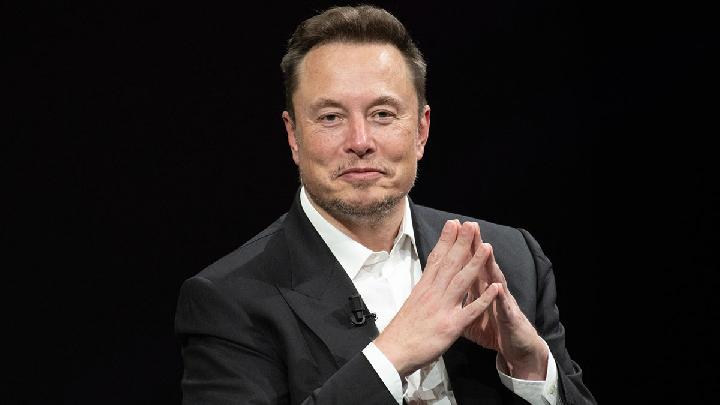
TEMPO.CO, Jakarta – Elon Musk’s lawsuit accusing OpenAI of abandoning its non-profit mission is set to go to trial on Monday, with jury selection underway in California. This high-stakes legal battle pits Musk against the company he co-founded in 2015, which has since evolved into a competitor through Musk’s own artificial intelligence firm, xAI. OpenAI’s ChatGPT has emerged as a significant rival to xAI’s Grok, heightening tensions between the two factions.
According to reports from Bangkok Post, the dispute arises from Musk’s assertion that OpenAI has diverged from its founding mission of developing artificial intelligence for the benefit of humanity. Court documents reveal that OpenAI Chief Executive Sam Altman initially persuaded Musk to support the launch of a non-profit research lab aimed at creating technology “that would belong to the world.” Musk invested millions into the venture before later distancing himself from the organization.
Over time, OpenAI transitioned to form a commercial subsidiary, arguing that substantial funding was necessary to advance the development of sophisticated AI systems. Microsoft has since committed billions of dollars to support the company, with its CEO Satya Nadella expected to testify during the trial.
Musk claims that he was misled regarding OpenAI’s long-term strategy and that its shift toward a profit-oriented model violates its foundational principles. His lawsuit seeks to reinstate the company as a fully non-profit entity and calls for the removal of Altman and co-founder Greg Brockman from leadership positions.
In defense, OpenAI has refuted Musk’s allegations, contending that his departure was motivated by disputes over control rather than deviations from the company’s mission. The organization maintains that its hybrid structure—consisting of a non-profit foundation alongside a for-profit arm—is essential for sustaining technological innovation.
The case also underscores broader concerns regarding the future of artificial intelligence, particularly about whether its benefits should be broadly accessible or confined to a select group of stakeholders. This tension reflects ongoing debates within the tech community regarding the ethical implications of AI advancements.
OpenAI has publicly criticized Musk’s lawsuit, characterizing it as an attempt to undermine a rival. In a statement on X, the company described the legal action as “driven by ego, jealousy, and a desire to slow down a competitor.” Initially, Musk sought damages of up to $134 billion but later withdrew any personal financial claims, indicating that any potential compensation should be directed toward OpenAI’s non-profit foundation.
The trial will be presided over by Judge Yvonne Gonzalez Rogers, who is expected to deliver a ruling by mid-May, based on the findings of an advisory jury. She retains the authority to determine any remedies independently, regardless of the jury’s recommendations.
The outcome of this case could have significant implications for the governance of AI companies and the ongoing struggle to balance commercial interests with public benefit in one of the world’s fastest-growing sectors. As the trial unfolds, industry observers will be closely watching how the legal proceedings shape the future of AI development and its ethical considerations.
See also Cohere Acquires Aleph Alpha in $20 Billion Sovereign AI Merger with Dual HQs
 OpenAI Revises Pact with Microsoft, Opens Access to Other Cloud Providers
 Ex-Meta AI Exec Clara Shih Shares How Gen Z Can Thrive in AI-Dominated Job Market
 DeepSeek Launches V4, Surpassing GPT-5 and Claude in Key AI Benchmarks
 Fintechwerx Pivots to AI for Credit Unions as Liquidity Runs Low with CAD 84K Cash