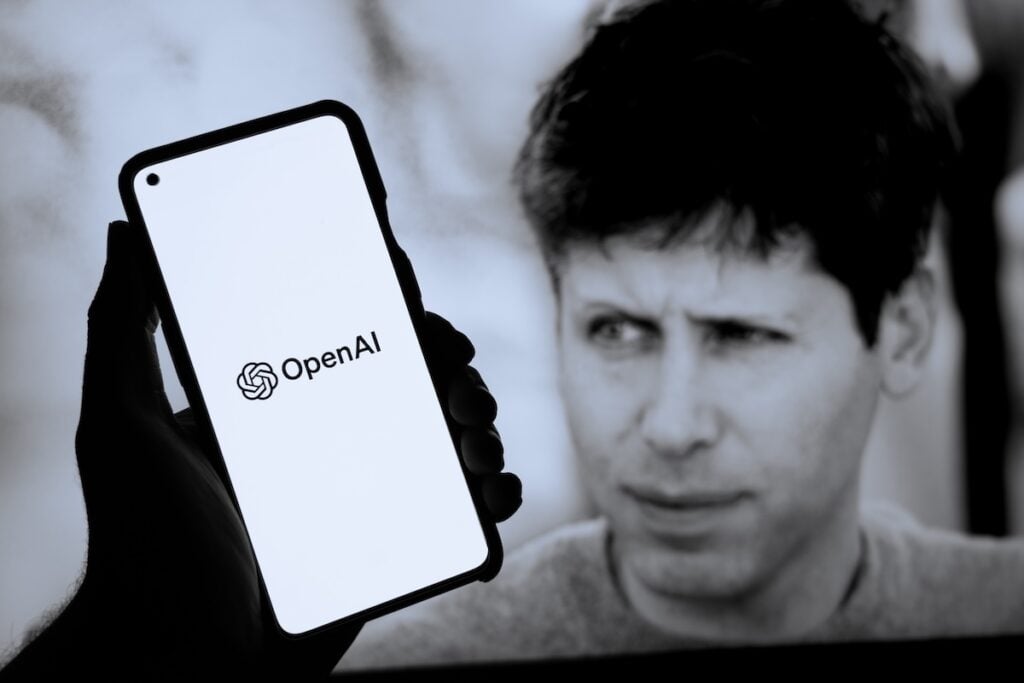
OpenAI CEO Sam Altman issued a public apology as the company acknowledged it failed to alert authorities regarding concerning interactions with a chatbot that were linked to a deadly mass shooting in Tumbler Ridge, British Columbia. In a letter dated April 23, which was subsequently shared publicly, Altman expressed his remorse, stating he was “deeply sorry.”
Altman revealed that internal teams had flagged the account in question for troubling activity but did not escalate the matter to law enforcement. “I am deeply sorry that we did not alert law enforcement to the account that was banned in June,” he wrote, emphasizing the need for an apology given the “irreversible loss” faced by the community.
The tragic shooting incident, which took place in February, resulted in the deaths of eight individuals, including six children, at a local school. The acknowledgment that the suspect had previously engaged with an AI chatbot—combined with the fact that these interactions had raised internal alarms—has prompted increased scrutiny on the responsibilities of tech companies in monitoring potential threats.
In his letter, Altman noted that he has maintained communication with local officials over recent months, describing the community’s grief as “unimaginable.” This incident has raised urgent questions about the role of artificial intelligence in society and how companies like OpenAI manage the potential dangers that their products may pose.
The fallout from the shooting has ignited political backlash, with British Columbia’s provincial leader, David Eby, publicly sharing Altman’s letter. Eby characterized the apology as “necessary, and yet grossly insufficient” in light of the magnitude of the tragedy. The sentiment reflects a broader concern over the responsibility of tech firms to act decisively when warning signs emerge.
While OpenAI has not yet responded to requests for comments from media outlets like Benzinga, the situation has reignited discussions about the ethical implications of AI technology, especially in terms of ensuring public safety. Critics argue that tech companies must establish more robust protocols to detect and report potential threats effectively.
The implications of this incident extend beyond Tumbler Ridge, highlighting the need for clear guidelines regarding AI’s role in human interactions. As communities grapple with the aftermath of tragedies like this one, the call for accountability in the tech sector grows louder, urging companies to take proactive steps in preventing future occurrences.
As the conversation continues, it remains critical for stakeholders—including policymakers, tech firms, and the public—to collaborate on creating frameworks that address the complex challenges posed by rapidly advancing technologies. OpenAI’s recent acknowledgment may serve as a pivotal moment in the ongoing dialogue about the intersection of technology, ethics, and public safety.
See also Google Invests $10B in Anthropic, Sparking AI ‘Frenemy’ Alliances Among Tech Giants
 Schwarz Group Invests EUR 500M in AI Start-Up Cohere, Acquires Aleph Alpha
 China Halts Meta’s $2B Acquisition of AI Startup Manus Over Investment Prohibitions
 Elon Musk Files Lawsuit Against OpenAI Over Non-Profit Mission Shift Ahead of Trial
 Cohere Acquires Aleph Alpha in $20 Billion Sovereign AI Merger with Dual HQs