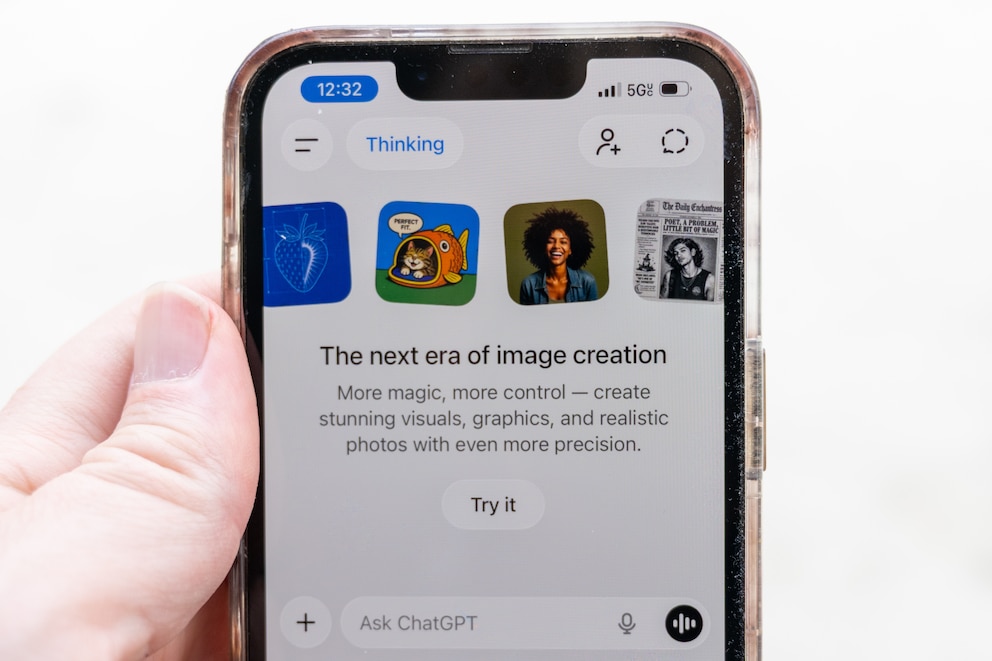
OpenAI has introduced a significant upgrade to its artificial intelligence image generation capabilities with the launch of ChatGPT Images 2.0. The new features aim to enhance users’ ability to create images that align closely with their specific visions, addressing a common challenge faced by creators. With the model now available for users of ChatGPT, Codex, and through a dedicated interface, OpenAI seeks to streamline the image generation process.
The developers assert that Images 2.0 exhibits a marked improvement in its capacity to interpret detailed instructions compared to earlier iterations. This enhancement is particularly beneficial for prompts that require multiple aspects to be addressed simultaneously. Users can expect the AI to generate text within images more accurately while ensuring that visual elements are positioned correctly. OpenAI emphasizes that this update will yield more consistent results for complex layouts, including diagrams and user interfaces.
Flexibility in image format is another key component of Images 2.0. The new model accommodates a range of aspect ratios, specifically between 3:1 and 1:3, thus allowing for both wide and portrait-oriented compositions. OpenAI cites applications for banners and mobile formats, indicating that users can now tailor images more effectively to suit their intended uses without being confined to conventional sizes.
Moreover, the multilingual capabilities of Images 2.0 allow for the generation of content in various languages, essential when incorporating text directly into images. This feature is particularly advantageous for international applications, expanding the model’s usability across diverse markets.
In a further nod to user experience, Images 2.0 can facilitate what OpenAI refers to as “Thinking” workflows, enabling users to process tasks step by step. This structured approach allows for the generation of up to eight different image variants per request, providing users with the opportunity to compare options before making a final selection.
It is noteworthy that the technology also raises concerns regarding potential misuse, such as the generation of forged documents and receipts within the ChatGPT environment. As capabilities expand, the implications of such features warrant careful consideration from both developers and users alike.
The ChatGPT Images 2.0 model is accessible to all users of ChatGPT and Codex, with certain advanced functionalities available through paid subscriptions. For organizations looking to integrate this technology into their own applications, the “gpt-image-2” API offers a pathway for custom deployment.
As the demand for creative AI solutions continues to grow, OpenAI’s enhancements with Images 2.0 reflect a significant step forward in addressing the complexities of AI-generated imagery. By combining improved precision, multilingual support, and flexible formatting, OpenAI positions itself as a leader in the evolving landscape of artificial intelligence and digital creativity.
See also AI Detection Tools Emerge as Guardians of Integrity in Synthetic Media Creation
 Midjourney Launches V8 Alpha, Enhancing Image and Video Generation with New Features
 AI Therapist Risks Highlighted: OpenAI’s Data Policies Raise Privacy Concerns
 ComfyUI Raises $30M at $500M Valuation, Enhancing AI Media Control for Creators
 Unsloth Reveals Custom Kernels, Enabling 2x Faster LLM Fine-Tuning on Consumer GPUs