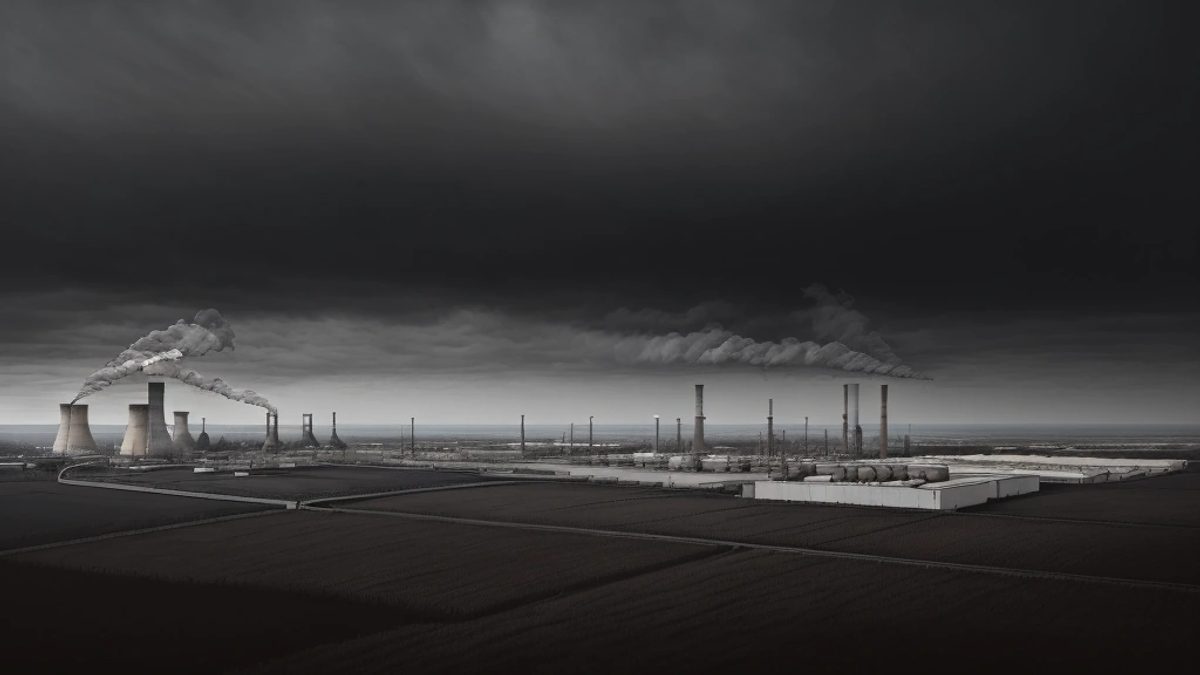
A recent investigation by Wired has highlighted the significant potential greenhouse gas emissions linked to 11 data center campuses in the United States associated with major technology firms such as OpenAI, Meta, Microsoft, and xAI. These campuses are projected to emit more than 129 million tons of greenhouse gases annually, a figure that transforms the ongoing debate about AI’s energy consumption from a theoretical concern into a pressing reality. The emissions projected from these facilities could exceed the total emissions of entire countries, including Morocco.
Among the findings, three natural gas projects tied to the Stargate Project, an initiative led by OpenAI to establish data center campuses across various states, are estimated to produce more than 24 million tons of greenhouse gases each year. This amount surpasses the emissions of Costa Rica but falls short of those of Croatia when viewed on an annual basis. Furthermore, xAI’s Colossus campus in Memphis and a neighboring campus in Southaven could each emit over 6.4 million tons of CO2 equivalents annually, akin to the output of approximately 30 average-sized natural gas plants. Another project in West Texas, reportedly pursued by Microsoft, carries a permit allowing for emissions of 11.5 million tons annually, more than what Jamaica emits in a year.
The cumulative effect of these emissions from just 11 campuses amounts to 129 million tons, surpassing Morocco’s total projected emissions for 2024. Critics argue that the industry’s standard defense—that these figures are worst-case maximums and not reflective of actual emissions—does not change the scope of the issue. Alex Schott, communications director for an oil and gas company constructing three power plants for Meta, suggested that real emissions might be significantly lower. However, even if actual emissions are halved from the permitted maximums, the resulting figures would still indicate emissions higher than those of Norway for 2024, equating to more than 153 average-sized natural gas plants.
The structural implications of these emissions are profound, especially given the current reliance on natural gas for powering data centers. The International Energy Agency reports that natural gas accounts for over 40% of the electricity supplied to U.S. data centers, with coal contributing an additional 15%. The IEA forecasts that these two sources will continue to meet over 40% of future data center electricity demand through at least 2030. This trend suggests not merely an addition of new energy consumption but a reversal of progress in decarbonizing the energy grid. The PJM Interconnection, which oversees the electricity grid in 13 eastern states, had to delay the closure of 60% of its fossil fuel plants last year due to the increasing demand from data centers.
As AI-related infrastructure grows, the emissions associated with it are evolving from mere environmental concerns into material business risks for major tech companies. Microsoft, Google, and Amazon have all made commitments to achieve net-zero or carbon-negative status within specific timeframes. However, the rapid increase in data center energy demand jeopardizes these promises, as highlighted in a recent article by The Atlantic, which noted that data centers are poised to become one of the fastest-growing sources of greenhouse gases globally, with IEA projections indicating that emissions could double by 2030.
The regulatory landscape is also evolving in response to these concerns. A report from the Union of Concerned Scientists posited that without stronger clean energy policies, the additional fossil fuel generation required to power data centers could increase annual U.S. power plant CO2 emissions by 19% to 29% by 2035. The Brookings Institution is beginning to view the energy demands of data centers through the lens of regulatory policy concerning AI. While the European Union’s AI Act mandates energy transparency for high-impact AI systems, the U.S. currently lacks an equivalent federal requirement. However, the revelations from air permit documents indicating emissions profiles larger than those of some countries may hasten the development of regulatory frameworks.
On a more optimistic note, the disparity between the energy needs of the AI industry and the current capabilities of clean energy infrastructure presents a significant market opportunity. Companies focused on advanced geothermal energy, small modular reactors, long-duration storage, and innovative transmission solutions are working to address this gap. This data center energy challenge is not solely a narrative of AI companies falling short; it reflects a broader infrastructure deficit that has taken decades to develop and will require considerable investment and time to remedy. The Wired analysis underscores the urgency of this issue, revealing the scale of the infrastructure needed to support the increasing demands of AI computing and the importance of redirecting capital flows to meet these energy requirements.
See also Meta and Microsoft Cut 16,000 Jobs Amid 92,000 Tech Layoffs, Raising AI Job Security Concerns
 DeepSeek Launches V4 Model, Surpassing Claude Opus 4.6 with Superior Efficiency
 OpenAI Slashes Prices, Pressuring Anthropic’s Premium Model Amid AI Cost War
 Character.AI Faces User Complaints Amid Ongoing Performance Issues Following April Outages