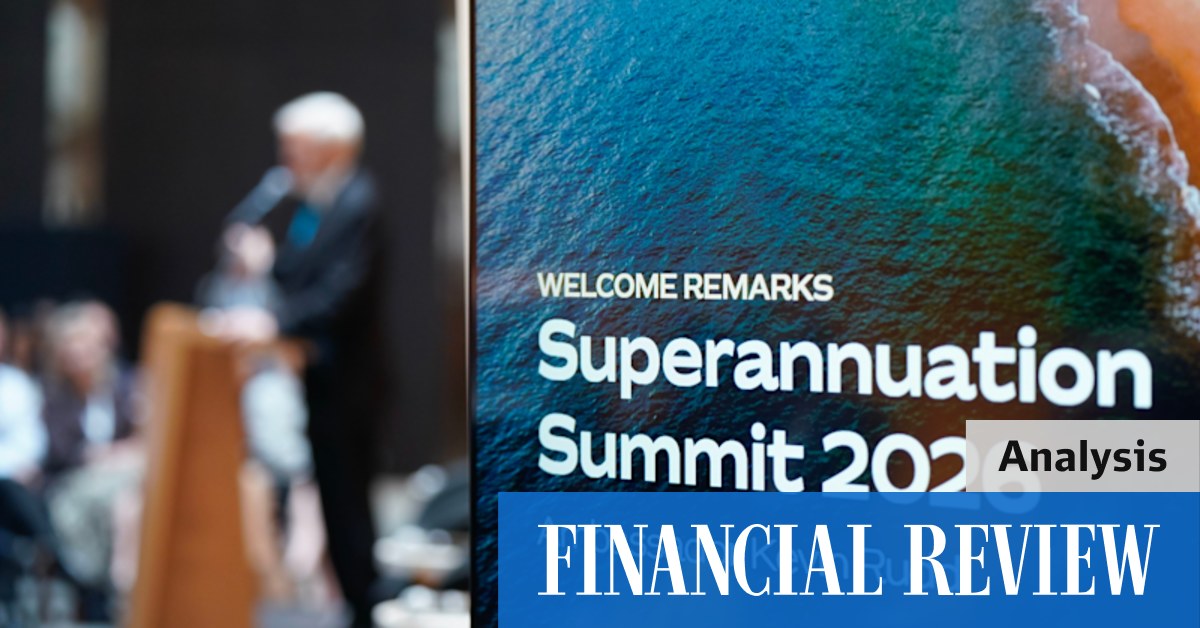
New York | The urgency surrounding advancements in artificial intelligence has taken center stage, particularly for Kelly Power, chief executive of Colonial First State, which oversees approximately $180 billion in savings. Following a week-long superannuation summit in the United States, Power acknowledges the rapid evolution of technology and its implications for the financial sector.
During a discussion in New York on Friday, Power reflected on remarks made by Goldman Sachs chairman David Solomon, which resonated deeply with her. “I’m now quite paranoid about how we can handle that,” she said, emphasizing the necessity for swift action in the face of rapid technological change. “Like, what’s the play? How fast [can we] act with urgency? We need to just, you know, 10 times the level of focus and attention we put on that.”
This sentiment underscores a growing concern among financial leaders about the pace at which AI is transforming their industry. The superannuation summit, which gathered prominent figures in finance and technology, provided a platform to discuss these pressing issues. Given the substantial amount of capital managed by firms like Colonial First State, the integration of AI tools is imperative not only for operational efficiency but also for maintaining competitive advantage.
As companies increasingly adopt AI solutions, the challenges associated with implementing these technologies cannot be overlooked. Power’s remarks highlight a critical shift in mindset, where the ability to adapt quickly is becoming as vital as the technology itself. Financial executives are now compelled to prioritize AI readiness, emphasizing the importance of agility in decision-making processes.
Power’s acknowledgment of her newfound “paranoia” reflects a broader industry trend as leaders grapple with the implications of emerging technologies. The urgency she described points to an overarching need for a cultural shift within organizations, where innovation is not just encouraged but required.
The financial services sector, long known for its traditional practices, is at a crossroads. With discussions at the summit focusing on the integration of AI into everyday operations, it is clear that the conversation is not merely theoretical. Companies are recognizing that in order to thrive, they must not only adopt new technologies but also rethink their entire operational frameworks.
This rapid evolution of AI is further compounded by the competitive landscape. Firms that delay the integration of advanced technologies risk falling behind their peers who are more adept at leveraging these innovations. The key takeaway from the summit is that the era of passive observation is over; financial institutions must now proactively engage with the technologies shaping their futures.
The implications of this transformation extend beyond mere operational efficiencies. Enhanced data analytics capabilities powered by AI can lead to more informed investment decisions, better risk management, and ultimately, improved client outcomes. As Power and her peers navigate this landscape, they are faced with the challenge of balancing urgency with thoughtful implementation.
Looking ahead, the financial sector appears poised for a significant transformation driven by AI. Industry leaders must cultivate an environment that embraces change and encourages continuous learning. As Power aptly noted, the focus and attention dedicated to these advancements will be crucial as firms move forward in an increasingly tech-driven marketplace.
See also Tech CEOs Predict AI Will Replace Software Engineers Within 12 Months
 AI Warfare: Palantir’s Systems Used in Iran Strikes Raise Accountability Concerns
 Nvidia’s Price Exceeds DCF Estimate by 35.5% Amid AI Chip Demand and Policy Risks
 Plugable Launches TBT5-AI Enclosure for Local AI Workloads at $599.95