






















































The concept of the agentic enterprise is transforming artificial intelligence from isolated tools into integrated systems that actively manage business operations. This shift signifies a broader evolution in enterprise strategy, as organizations increasingly embed intelligence directly into workflows, moving beyond the previous approach of layering AI atop existing systems. John Furrier, executive analyst at theCUBE Research, emphasizes that this transition highlights a growing divide between experimentation and practical execution, as companies rethink how AI harmonizes with infrastructure, governance, and operational models. “We’re seeing interesting things happening right now with AI,” Furrier stated. “The small, medium-sized market of the business is booming. It seems that the underserved market for a lot of this AI value [is] the growing businesses or the mid-market.”
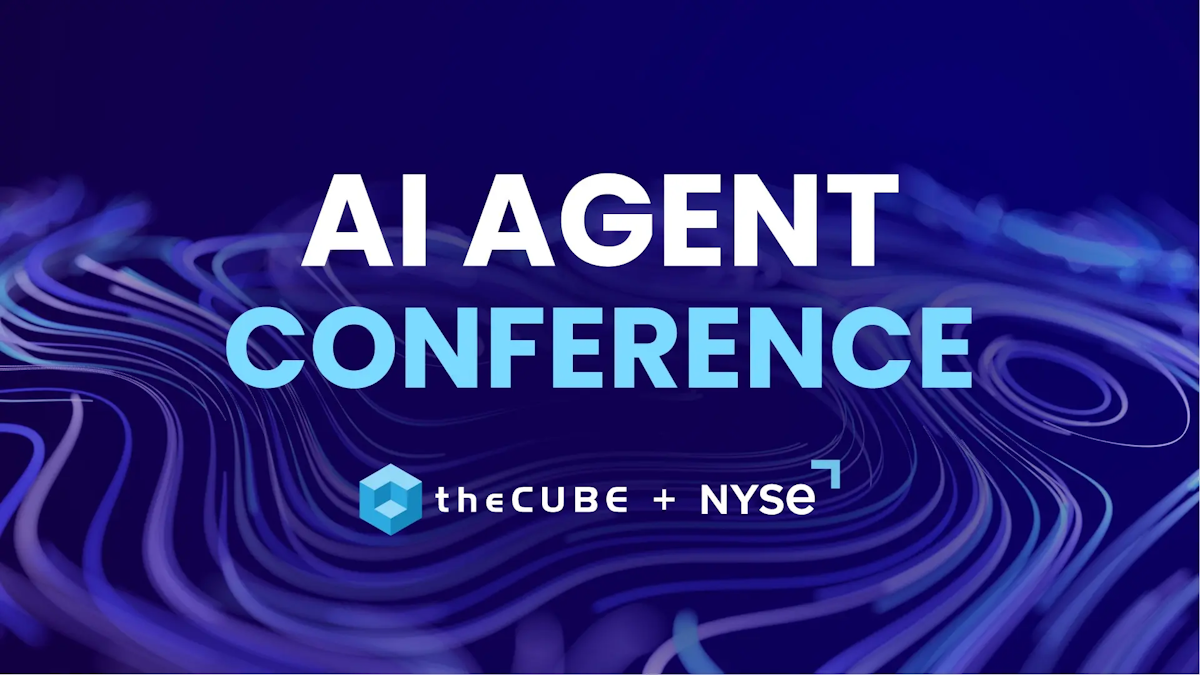
As enterprises evolve, a new operating model emerges—one that shifts from isolated AI tools to integrated, decision-capable systems. The upcoming AI Agent Conference, scheduled for May 4–5, will highlight how organizations are embedding agents into workflows, showcasing how AI is evolving into autonomous systems across various enterprise operations.
According to Simon Chan, chair and founder of the AI Agent Conference, the agentic enterprise revolves around transforming software from passive systems into active participants in work processes. Organizations are now deploying agents capable of making decisions and executing tasks within defined boundaries, thereby fostering a more dynamic operating model. “I think agentic AI … the transformational point is now in the last century, in the last 20 years, software mainly was the system of records,” Chan explained. “Agentic AI system is the system that we believe can make decisions by itself, take actions by itself and interact with your human teams.” This perspective suggests a substantial shift in how businesses approach AI deployment, with implications for various sectors.
As companies explore these systems, their technical approaches vary based on how agents interface with software environments. Some utilize structured integrations, while others adopt a more flexible model that allows agents to operate directly within user interfaces without extensive backend connections. Ang Li, co-founder and CEO of Simular, an AI company developing autonomous desktop-based agents, pointed out the two main types of agents currently in the market: API agents and computer use agents. “API agents require all the software coding to connect,” Li stated. “Computer use doesn’t require anything. It only requires you to have a laptop or a computer that [has] the GUI on your interface.”
Demand pressures in various industries are further catalyzing the adoption of agentic systems, particularly as workforce constraints and rising complexity necessitate operational changes. Enterprises are beginning to view these systems as viable long-term solutions for scaling expertise and maintaining productivity. Jin Chang, CEO of Fieldguide, an AI-native platform for audit and advisory firms, noted the urgency among top firms to invest in agentic AI for future operational models. “When you see that the population of practitioners isn’t keeping up with the demand for CPA services and the rising complexity involved, the writing’s on the wall,” he said.
As these systems mature, discussions are shifting from mere experimentation to tangible execution. Businesses are increasingly focused on how much work these agents can reliably manage within production environments, especially in areas where speed, scale, and consistency significantly impact outcomes. Anthony Sardain, CEO of Cavela, which provides an AI-powered platform for automated product sourcing and manufacturing, remarked, “What we do is we make that process a lot easier. We automate away about 90% of the work for brands and handle absolutely everything from ideation all the way to delivery.”
The AI Agent Conference will serve as a pivotal platform for exploring these developments, with theCUBE providing comprehensive coverage from May 4–5. Viewers can access the event’s content through theCUBE’s dedicated website and YouTube channel. SiliconANGLE’s “theCUBE Pod” will also feature discussions on the latest trends in enterprise technology, including AI, cloud, and workplace culture, available on popular platforms like Apple Podcasts and Spotify.
As the enterprise landscape evolves through the integration of AI-driven systems, the implications for operational efficiency, decision-making, and overall business strategy become increasingly significant. The move towards agentic enterprise not only reshapes the technological framework of organizations but also redefines the very nature of workforce dynamics across industries.
See also Asana Launches AI Teammates to Boost Team Productivity, Saving 15,000 Hours Annually
 Decision-Aware Machine Learning Achieves 30% Increase in Access to Essential Medicines
 Mistral AI Launches Workflows for Seamless Enterprise AI Automation in Production
 X Launches Overhauled AI-Powered Ad Platform to Boost Declining Revenues
 IBM and Ferrari Launch AI-Powered Scuderia App Features to Enhance Fan Engagement















