Microsoft’s stock faced downward pressure after the tech giant and OpenAI announced a significant amendment to their partnership agreement, making Microsoft’s license to use OpenAI’s technology non-exclusive. Under the new terms, Microsoft remains the primary cloud provider for OpenAI, with the latter’s products still launching on Azure first. However, OpenAI now has the option to explore alternative cloud providers if Microsoft is unable or unwilling to support the necessary capabilities.
This change allows OpenAI to offer its products on other cloud platforms, including Amazon Web Services. While Microsoft retains a license to use OpenAI’s intellectual property until 2032, this license is no longer exclusive. Additionally, Microsoft will cease revenue-sharing payments to OpenAI, though it will continue to receive share payments through 2030. Seeking Alpha analyst Julia Ostian noted that approximately 45% of Microsoft’s AI backlog is tied to OpenAI, which she characterized as a “major risk.” However, she suggested that market concerns may already be reflected in the stock’s performance.
“The market didn’t fully believe OpenAI would be able to pay for the previously agreed capacity, and for this reason, I don’t see this piece of news as majorly negative,” Ostian stated. In a separate development, OpenAI is reportedly collaborating with Qualcomm and MediaTek to design smartphone processors, with Luxshare acting as the exclusive system co-design and manufacturing partner. Analyst Ming-Chi Kuo from TF International Securities highlighted that OpenAI’s ambition to build its own smartphone stems from a desire to control both hardware and software, a move he argues is essential for delivering a comprehensive AI agent service.
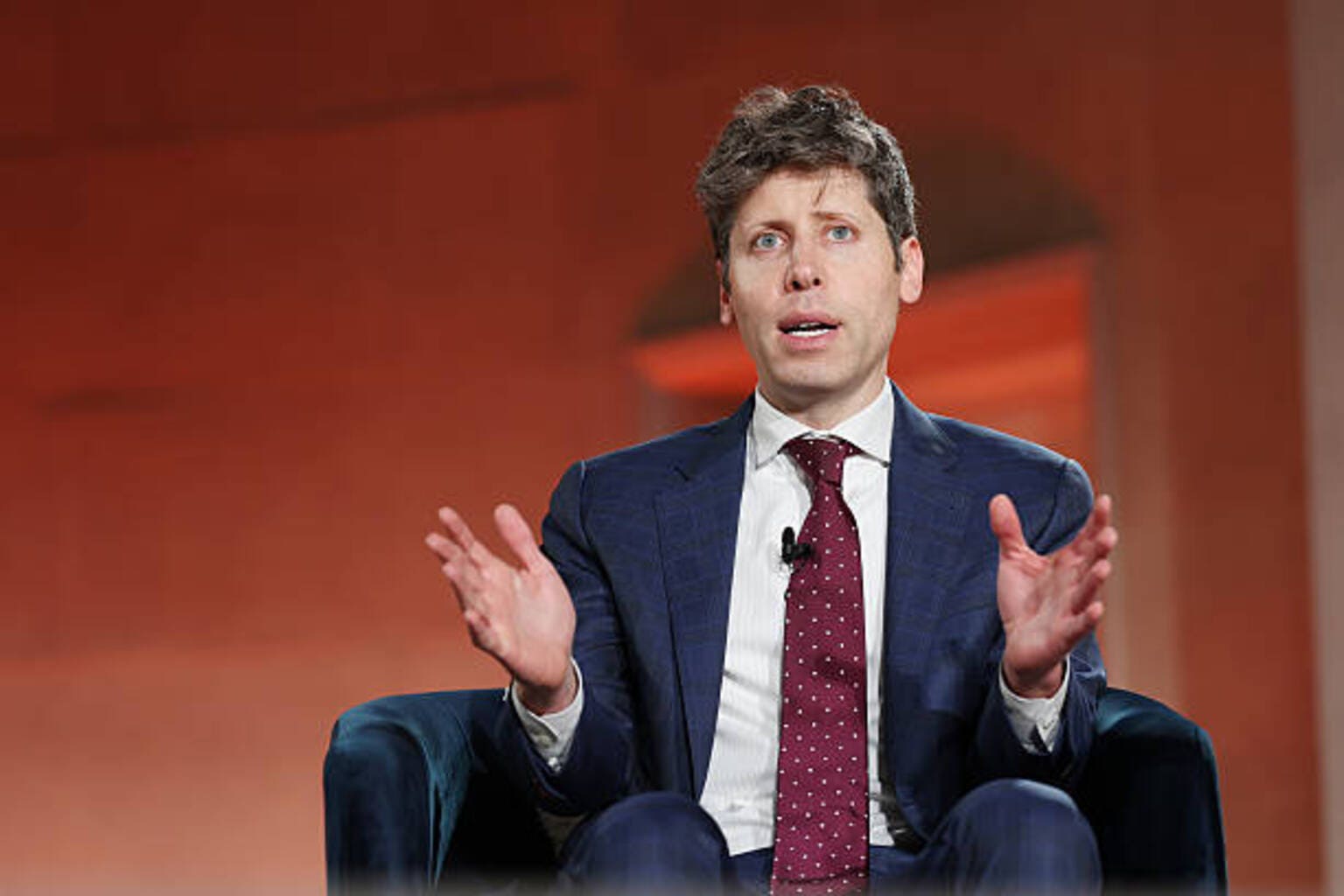
On Sunday, OpenAI founder Sam Altman suggested that it is time to “seriously rethink how operating systems and user interfaces are designed,” indicating a broader vision for the company’s future. In the corporate arena, shares of Domino’s Pizza fell sharply after the company reported a disappointing first quarter, missing both revenue and same-store sales expectations. CEO Russ Weiner attributed the decline to a challenging macroeconomic environment and increased competition.
Meanwhile, Verizon posted better-than-expected first-quarter profits and growth in postpaid phone additions, underscoring its success in a competitive wireless market despite challenges from rivals AT&T and T-Mobile. In another notable development, Organon, a women’s health company, soared in stock value after announcing it would be acquired by Sun Pharmaceutical Industries in an all-cash deal valued at $11.75 billion, marking one of the year’s largest healthcare transactions.
In the aviation sector, United Airlines CEO Scott Kirby confirmed that he had approached American Airlines about a potential merger, stating that such a combination could enhance customer experiences and lead U.S. aviation into a new era of leadership. American Airlines, however, publicly rejected the proposal. Kirby emphasized the potential benefits of merging, suggesting it would create a “new, thriving U.S. airline that would be the very best in the world for customers.”
Lastly, in financial news, Goldman Sachs has revised its 2026 IPO forecast, now anticipating around 100 deals raising approximately $160 billion, a decrease from a previous estimate of 120 offerings. Analysts cited geopolitical uncertainty and volatility in equity markets as contributing factors to this downward revision, although Goldman noted that the macroeconomic backdrop remains generally supportive.
As these developments unfold, the tech landscape continues to shift, with companies like Microsoft and OpenAI navigating complex partnerships and emerging market challenges, while other industries like healthcare and aviation also adapt to new realities.
See also Ex-Meta AI Exec Clara Shih Shares How Gen Z Can Thrive in AI-Dominated Job Market
 DeepSeek Launches V4, Surpassing GPT-5 and Claude in Key AI Benchmarks
 Fintechwerx Pivots to AI for Credit Unions as Liquidity Runs Low with CAD 84K Cash
 Google’s Gemini Achieves Top Customer Satisfaction Score of 76 in ACSI 2026 Survey