In October, Australia extended its child safety measures to AI chatbots, reflecting a growing global concern regarding the protection of minors in digital environments. This move aligns with France’s push for the European Union to ban social media access for children under the age of 15. Meanwhile, Britain’s Online Safety Act, which came into force in July, imposes strict age requirements on platforms including Facebook, YouTube, TikTok, and X, as well as sites hosting pornography, aimed at safeguarding children and eliminating illegal content.
However, experts caution that such bans might inadvertently isolate vulnerable users from essential support networks. Privacy advocates also express concerns that age verification processes could lead to increased collection of personal data, complicating the balance between safety and privacy.
The rapid dissemination of information through social media has proven pivotal in mobilizing youth protests across the globe. In 2025, mass demonstrations among discontented youth helped topple unpopular governments in Nepal and Madagascar. In Indonesia, widespread shares of footage depicting the death of a delivery driver ignited protests focused on income inequality. Africa, housing the world’s youngest population, has witnessed a surge in youth-led protests fueled by discontent over corruption, poor governance, high living costs, and rising unemployment. Countries like Morocco, Pakistan, and Peru have recently seen similar uprisings, with political analysts suggesting that generational frustrations will continue to drive activism around societal inequalities.
In response to civil unrest, governments are increasingly resorting to internet blackouts. In October, the Tanzanian government restricted internet access for five days during elections, hindering the flow of information, according to rights groups. The shutdown affected major social media platforms, including Facebook, WhatsApp, TikTok Live, and Instagram Live, preventing real-time updates and online mobilization. The African Digital Rights Network noted that internet shutdowns across Africa have doubled in less than a decade.
In Afghanistan, the Taliban restricted internet access in September before completely shutting down connectivity for two days, depriving millions of people of contact with the outside world. Similarly, after the Myanmar earthquake in March, internet blackouts obstructed humanitarian aid efforts and contributed to the spread of misinformation. Communications in Myanmar have been tightly controlled by the military junta since it seized power from a democratic government in 2021, raising concerns about further surveillance and internet restrictions ahead of the country’s first general election since the coup later this year.
As global migration rates soar due to war, poverty, and climate crises, governments are increasingly deploying digital solutions to manage the influx of asylum seekers. The British government announced plans to utilize AI to expedite asylum decisions and intends to implement facial age estimation technology on asylum seekers claiming to be under 18 by 2026. Additionally, the UK plans to introduce digital IDs for all workers as part of its immigration control strategy, despite widespread criticism and privacy concerns.
In the United States, former President Trump has intensified the use of surveillance and AI technologies — from facial recognition to robotic patrol dogs — as part of his crackdown on immigration.
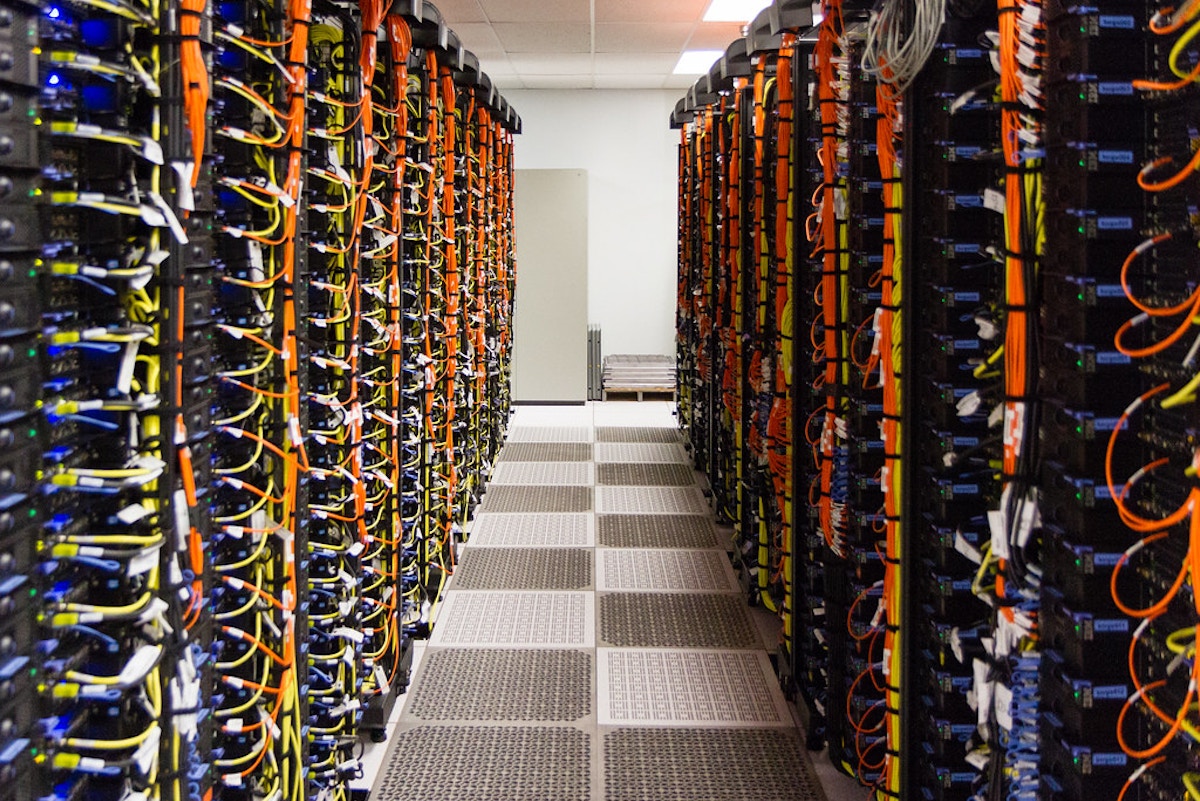
Moreover, the rapid expansion of data centers, necessitated by the surge in demand for AI technology, raises pressing environmental issues. Investigations by Context have highlighted a lack of transparency and accountability regarding the climate impact of these facilities. Major tech companies, including Microsoft, Google, and Amazon, operate data centers housing thousands of servers to support generative AI applications. These servers consume substantial energy and water; in 2023, Google reported that its data centers used 6.1 billion gallons of water. Projections from the Electric Power Research Institute indicate that U.S. data centers could account for up to 9 percent of all electricity generated by 2030, more than doubling current consumption levels. The energy-intensive nature of AI processing is expected to exacerbate the demand for cooling, further increasing water consumption in data centers.
As these issues unfold, the interplay between technology, governance, and societal challenges will remain a critical area to watch, with implications for the future landscape of digital interaction, civil liberties, and environmental sustainability.
See also Microsoft’s Charles Lamanna Predicts AI Will Shift from Assistance to Autonomy in 6 Months
 AI Celebrity Friends Surge in 2025, Transforming Human Connection and Raising Ethical Concerns
 Amazon Eyes $10B OpenAI Investment to Boost AI Infrastructure Amid Holiday Demand Surge
 Lenovo’s AI Strategy: 5 Proven Tactics to Boost Business Efficiency and Innovation