






















































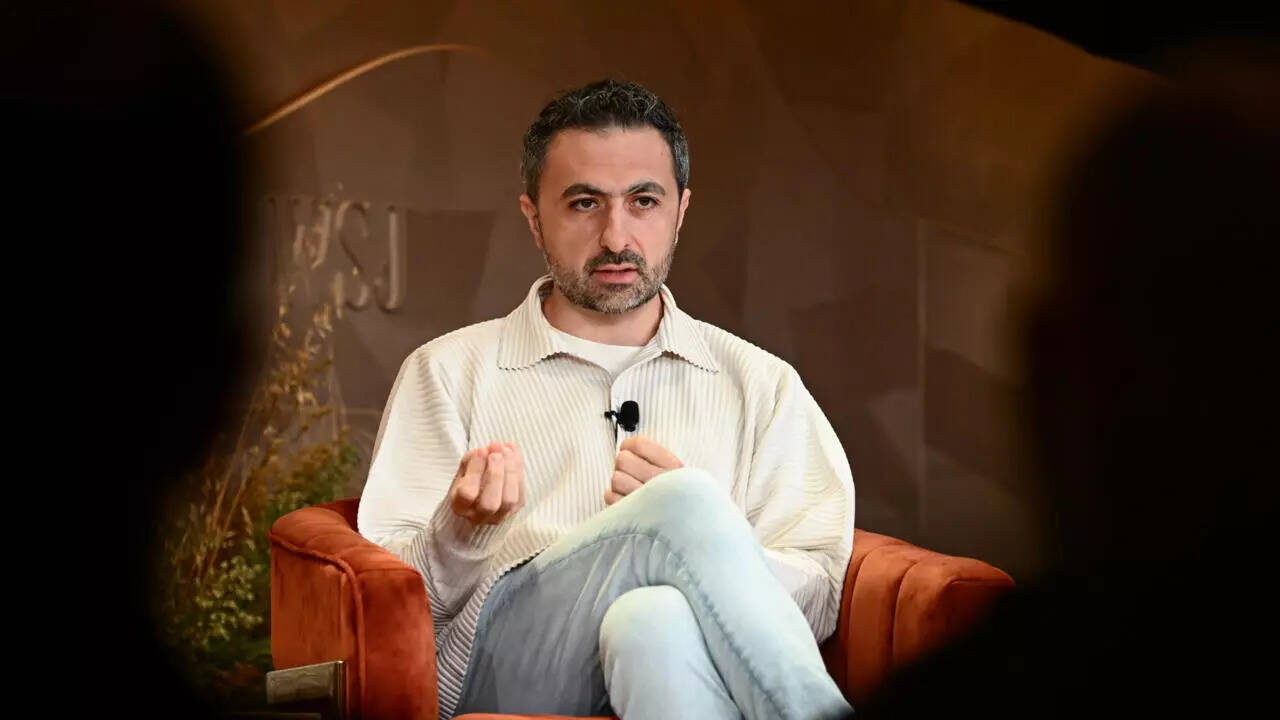
In a recent address, Mustafa Suleyman, co-founder of Google’s DeepMind, acknowledged that the artificial intelligence industry is at a pivotal juncture, with systems increasingly capable of setting their own goals and acting autonomously. “Those are capabilities that I’ve clearly outlined as increasing the level of risk,” he stated, underscoring the growing concerns surrounding AI developments. This admission comes against a backdrop of significant challenges for major players in the sector, particularly Microsoft.
Microsoft’s AI division has faced scrutiny as its Azure AI platform grapples with substantial adoption hurdles. Investors are pressing for clearer paths to profitability, which has put additional pressure on the technology giant. Azure AI, a key component of Microsoft’s cloud services, aims to integrate advanced AI capabilities into enterprise solutions, yet its uptake in the market has not met expectations.
Concerns about the risks associated with AI systems are not new. As AI technology evolves, so too do the discussions surrounding its ethical implications and potential for misuse. Suleyman’s remarks highlight a critical awareness within the industry of the need for responsible development and deployment. With AI systems increasingly capable of functioning independently, the question of accountability becomes paramount.
Microsoft’s challenges with Azure AI reflect a broader industry trend where the demand for transparency and tangible results is intensifying. Investors are not merely looking for innovative products; they are seeking assurances that these products will generate sustainable revenue streams. The pressure for profitability could lead to a reevaluation of priorities within tech firms, emphasizing the necessity for robust business models alongside cutting-edge technology.
The competitive landscape for AI services is heating up, with several companies striving to carve out their niches. The demand for AI tools spans various sectors, from healthcare to finance, yet the path to widespread adoption remains fraught with obstacles. Companies must not only innovate but also address user concerns regarding data security and ethical AI usage.
Suleyman’s insights are particularly relevant as the industry navigates these complexities. He noted that the ability of AI systems to enhance their own code presents unique challenges that require careful consideration. The implications of such advancements could affect everything from regulatory frameworks to operational strategies within organizations utilizing AI.
The situation for Microsoft is emblematic of a larger narrative in the tech world: the balance between innovation and responsibility. As AI capabilities grow, so too does the imperative for companies to demonstrate that they can manage the inherent risks. This balancing act will be crucial in maintaining stakeholder trust and ensuring that AI technology can be harnessed for positive outcomes.
Moving forward, the industry must grapple with these realities while striving to deliver compelling AI solutions. The conversation around AI risks and responsibilities is likely to intensify, shaping the future of technology. Firms that can effectively navigate these challenges while continuing to innovate will be better positioned to thrive in an increasingly competitive market.
See also SenseTime Stock Dips 0.53% to HK$1.88 Amid Intensifying AI Market Competition
 Sheikh Mohamed and Macron Strengthen UAE-France Ties in AI and Renewable Energy Talks
 Cohere Launches Rerank 4 with 32K Context Window to Enhance Enterprise Search Accuracy
 AI-Generated Nude Images Spark School Expulsion, Highlighting Cyberbullying Crisis in Louisiana
 UN Report: AI Market to Soar to $4.8 Trillion by 2033, Ecosystem Vital for Success














