Artificial intelligence is revolutionizing the software development landscape, enabling users without coding expertise to create applications through a process referred to as vibe-coding. This term, coined by Andrej Karpathy, former director of AI at Tesla Inc., signifies the ability to generate code using plain language instructions, facilitated by tools developed by companies like OpenAI and Anthropic. As AI technology evolves, its impact on both professional developers and amateurs is becoming increasingly significant.
Developers are leveraging AI to accelerate their workflows, while novices can craft functioning software and websites without traditional coding skills. For instance, professionals at League Inc., which focuses on online healthcare platforms, report saving between five to eight hours each week due to AI assistance, according to founder Michael Serbinis. However, the ease of vibe-coding is not without its critics. Some programmers disparage it as a breeding ground for ineffective, buggy software fraught with security vulnerabilities.
A study indicates that AI-generated code introduces a known security flaw approximately 45 percent of the time, prompting debate about the reliability of fully vibe-coded applications. Despite these concerns, many organizations are exploring the potential of vibe-coding. Executives from George Weston Ltd. received a quick introduction to the concept, reportedly creating functional applications, including a pricing intelligence tool, within two hours.
The trend is catalyzing a shift in software development roles. Designers with no coding background can mock up ideas without waiting for engineers, while programmers can implement features without consulting design teams. As Jennifer McCuaig, vice-president of experience at BrainStation Inc., notes, this shift is allowing the best ideas to surface more swiftly, although some professionals express discomfort over blurred job descriptions.
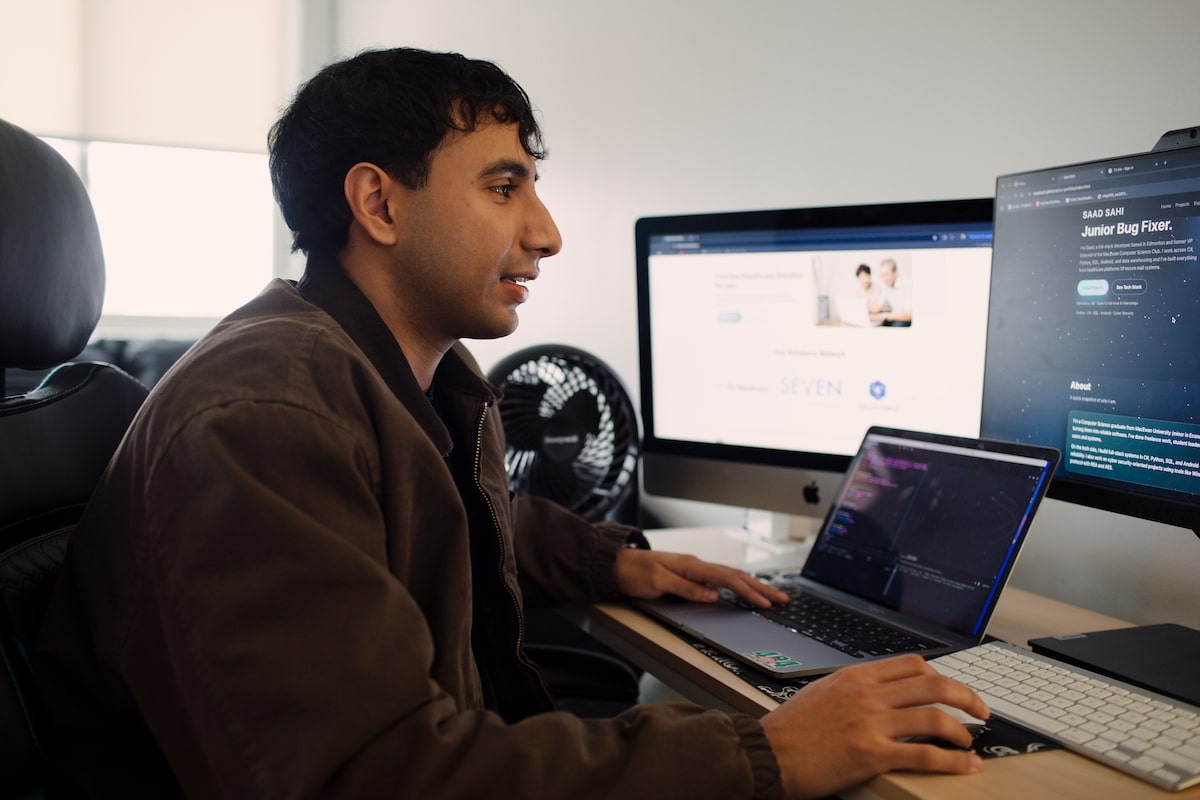
As AI-driven coding tools proliferate, the emerging field of “vibe-coding cleanup specialists” is taking shape. Developers like Saad Sahi in Edmonton are capitalizing on the growing demand for expertise in refining AI-generated applications. After facing challenges in securing a full-time role post-graduation, Sahi has turned his attention to helping clients who struggle with the complexities of AI-generated code, reflecting a broader trend where AI tools, while innovative, still necessitate human intervention.
The balance of power in coding is shifting. Josh Anderson, a consultant from North Carolina, experienced the limitations of vibe-coding firsthand while creating an app for road trip planning. As complexity increased, Anderson found himself unraveling issues that arose from the AI’s inability to maintain context or follow directives accurately. His experience underscores the necessity for human oversight in an increasingly automated development environment.
Educational institutions are also responding to the AI wave. Instructors at the University of Toronto and the University of Waterloo are adapting curricula to ensure students genuinely understand coding principles despite the allure of AI assistance. As Eyal de Lara, chair of computer science at the University of Toronto, stated, there’s an emphasis on having students communicate the logic of their code to enhance comprehension.
While the allure of AI tools is strong, seasoned developers like Alberto Fortin warn against over-reliance, fearing that it jeopardizes foundational coding skills. Many students face the temptation to bypass learning in favor of quick solutions offered by AI. Fortin’s observations echo concerns about the long-term implications of such practices on the future of the programming profession.
As the software development landscape continues to transform, the intersection of human ingenuity and AI capabilities raises fundamental questions about the future of coding. The rise of vibe-coding highlights both opportunities and challenges, emphasizing the need for skilled professionals who can navigate this evolving terrain effectively.
For now, the journey of vibe-coding is characterized by experimentation, learning, and adaptation as both individuals and organizations strive to harness the power of artificial intelligence responsibly and effectively.
See also AI Risks Reverting Humanity to Pre-Enlightenment Dependence, Warns New Study
 2025 Sees New Laws Limiting Childhood Independence Amid Safety Concerns and Backlash
 Unlock 100% Returns: Invest in the Hidden Energy Stock Powering AI’s Future
 S&E Company Launches AI-Driven Agritech Platform B•good in Vietnam to Enhance Agricultural Resilience
 Elon Musk Claims Optimus and Grok Could Revolutionize Healthcare Over Government Systems