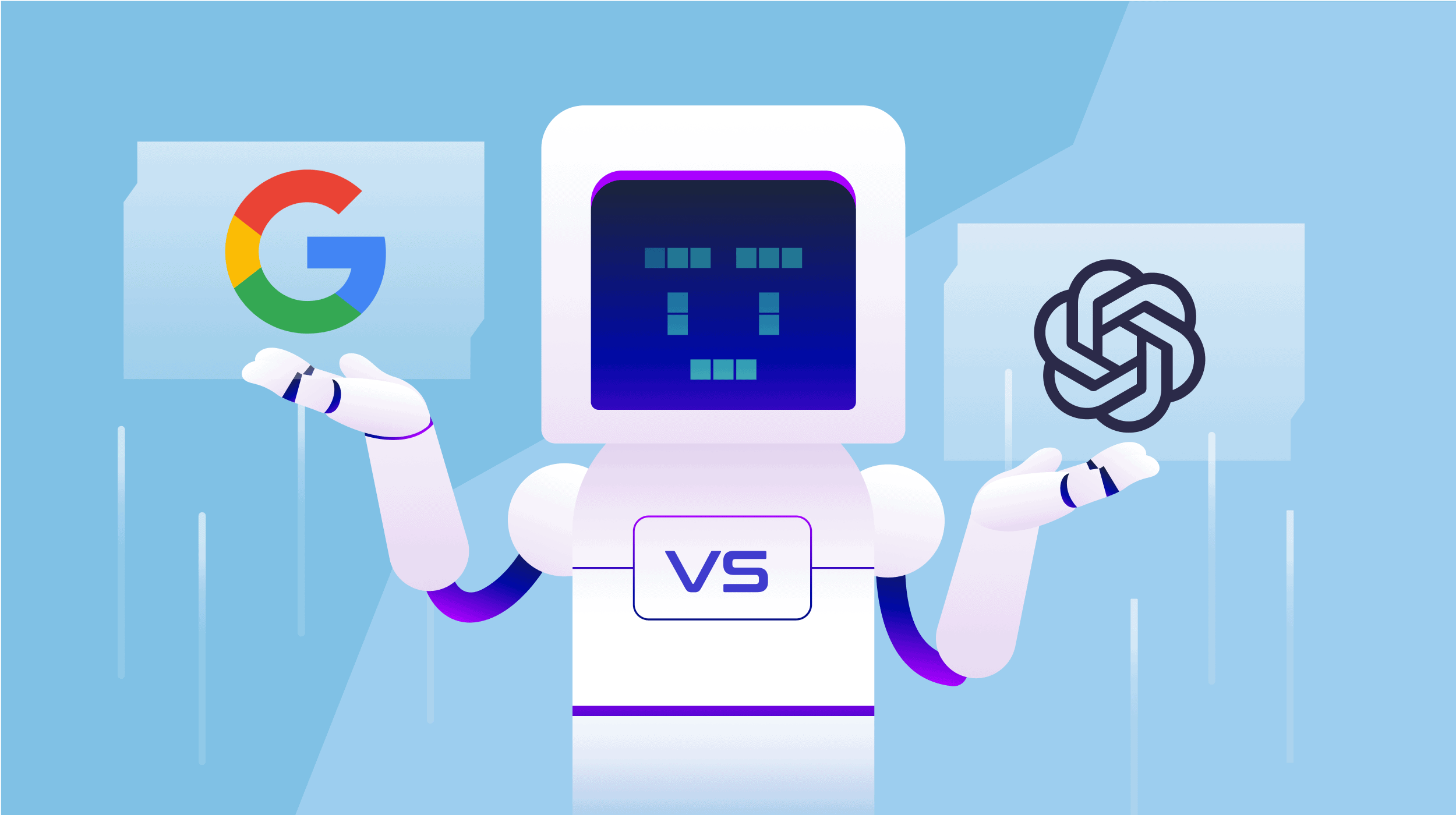
In a rapidly evolving landscape of artificial intelligence, two prominent players, Google Gemini and ChatGPT, are redefining productivity and creativity across various industries. Released in December 2023, Google Gemini is challenging the established dominance of ChatGPT, which has been in the market since November 2022. A thorough analysis comparing the two tools reveals distinct advantages and functionalities that cater to different user needs.
Both Gemini and ChatGPT are designed to enhance workflows through advanced large language models (LLMs). While both applications excel in numerous tasks, there are notable differences in their capabilities. For instance, ChatGPT demonstrates superior performance in text-based tasks and research, while Google Gemini has emerged as a stronger contender for creative tasks and image generation.
ChatGPT’s strength lies in its ability to access up-to-date information from the web, even in its free version. During comparative tests, it adeptly generated relevant blog topics for the pet industry, complete with source links that provide credibility to its insights. In contrast, Gemini struggled with citations, providing generalized references instead of specific sources, thereby limiting its reliability for research purposes. Overall, users seeking precise and informative research would likely prefer ChatGPT.
On the other hand, when simplifying complex concepts, both applications performed admirably. However, Gemini often presented clearer and more organized responses, making it easier for users to digest intricate information. For example, when tasked with explaining climate feedback loops, Gemini’s structured responses stood out, demonstrating an edge in user comprehension.
In terms of image generation, Gemini distinctly outperforms ChatGPT, offering a more robust set of features in its free plan. Gemini users can create images directly, while ChatGPT imposes limitations on the quantity of images generated daily. In tests where both platforms were asked to generate illustrations based on user prompts, Gemini produced higher-quality images free of typographical errors. This capability positions Gemini favorably for those requiring polished visual content.
When it comes to optimizing content for search engines, ChatGPT excels in generating keyword ideas, titles, and outreach emails. Users noted that ChatGPT consistently provided on-topic keyword suggestions, while Gemini’s outputs frequently included irrelevant keywords. However, Gemini did excel in creating compelling meta descriptions, indicating that both platforms have unique strengths in different SEO aspects.
For creative content generation, Gemini has been recognized for its engaging writing style, producing natural and compelling text that resonates well with users. When tasked with developing promotional material, Gemini outperformed ChatGPT in terms of creativity and engagement, though ChatGPT provided more detailed outlines for blog posts and video scripts.
Both applications also showed proficiency in transcribing text from images. In tests with complex infographics, ChatGPT exhibited a slight edge with greater accuracy, while Gemini’s interpretations were less reliable. This differentiation highlights the importance of selecting the right tool depending on the specific needs of the user.
Ultimately, the choice between Google Gemini and ChatGPT hinges on an individual’s priorities. For users focused on analytical work, research, and structured content generation, ChatGPT remains the preferred option. Conversely, Gemini’s strengths in creative writing and image generation make it an appealing choice for those seeking innovative content solutions. As these technologies continue to evolve, their respective user bases are likely to expand, shaping the future of how we interact with AI in our daily workflows.
See also All-in-One AI Platform Launches for Streamlined Image and Video Creation with Instant Access
 Women Account for Only 27% of ChatGPT Downloads Amid AI’s Rapid Growth
 Kenny Siebert Unveils Advanced 3D World Models to Enhance Robot Decision-Making
 Former AI Executive Reveals ‘AI Psychosis’: 9-Hour Days Led to Distorted Reality
 Meta Announces Launch of Avocado and Mango AI Models in H1 2026, Boosting LLM Capabilities