






















































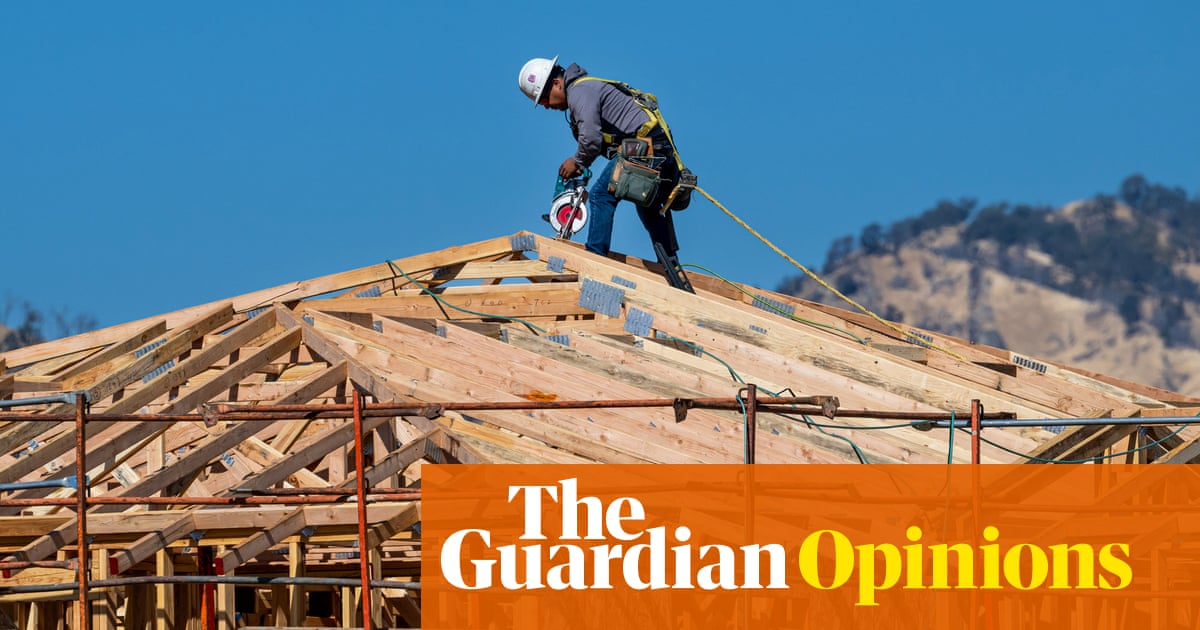
As the construction industry grapples with a severe labor shortage, the prospect of filling thousands of positions over the next few years has become a pressing concern. The Associated General Contractors of America reported that 92% of firms struggled to find qualified workers in the past year, leading to project delays for 45% of respondents. Estimates indicate that the industry will need to attract between 499,000 and 723,000 workers annually by 2026 to meet growing demand.
This shortage stems from several interconnected factors. Over recent decades, younger generations have increasingly opted for office jobs, steering away from manual labor. Simultaneously, a significant portion of the current workforce is aging; the National Center for Construction Education and Research predicts that about 41% of construction workers will retire by 2031. Compounding this issue, current immigration policies have restricted the influx of overseas laborers, pushing many skilled workers into less visible employment situations.
As the demand for construction workers intensifies, especially in specialized sectors like datacenter construction, pay scales have surged. Workers on these projects have seen pay increases of 25% to 30% compared to previous jobs, and in some instances, even higher. However, industry experts caution that such elevated wages may not be sustainable in the long term.
Looking ahead, analysts predict a rebound in construction activity as interest rates decline and new tax incentives take effect. After years of stagnation, both homebuyers and businesses are expected to return to the market, fueling a robust recovery in the cyclical construction sector. This upswing could lead to an unprecedented demand for skilled labor, further highlighting the urgency of addressing the current workforce shortage.
While many in the industry view this labor shortfall as alarming, some believe it presents a unique opportunity. The rapid advancement of artificial intelligence is anticipated to eradicate many entry-level and less meaningful white-collar jobs, prompting a shift in the workforce. As automated systems take over mundane tasks, many workers may turn to skilled trades where human labor remains indispensable.
This trend is already evident, with trade school enrollment rising significantly since the onset of the COVID-19 pandemic. Data indicates that enrollment in construction trades has surged by 23% over the past year, with forecasts suggesting an annual growth rate of up to 7% through 2030. As the job market evolves, younger individuals are increasingly drawn to the trades, recognizing the lucrative potential of these careers.
The construction industry is at a crossroads, facing a critical shortage of skilled labor while simultaneously poised for a potential surge in demand. As companies seek to leverage new opportunities, the challenge will be to attract and retain a new generation of workers capable of meeting the evolving needs of the sector. In this changing landscape, the importance of skilled trades may become even more pronounced, offering a pathway for those looking to build sustainable careers in a rapidly transforming job market.
See also Retailers Implement $7.50+ Return Fees and AI Tools to Combat Holiday Fraud
 Geoffrey Hinton Warns AI May Replace Many Jobs by 2026, Reshaping Labor Market
 Global Expert Adnan Bin-Mahfouz Reveals AI-Driven Business Strategies for Sustainable Growth
 AI Budgets Surge: Enterprises Boost LLM Spending by 75% Amid B2B Growth Shift
 BriefCatch Secures $6M in Series A to Enhance AI Legal Writing Platform






