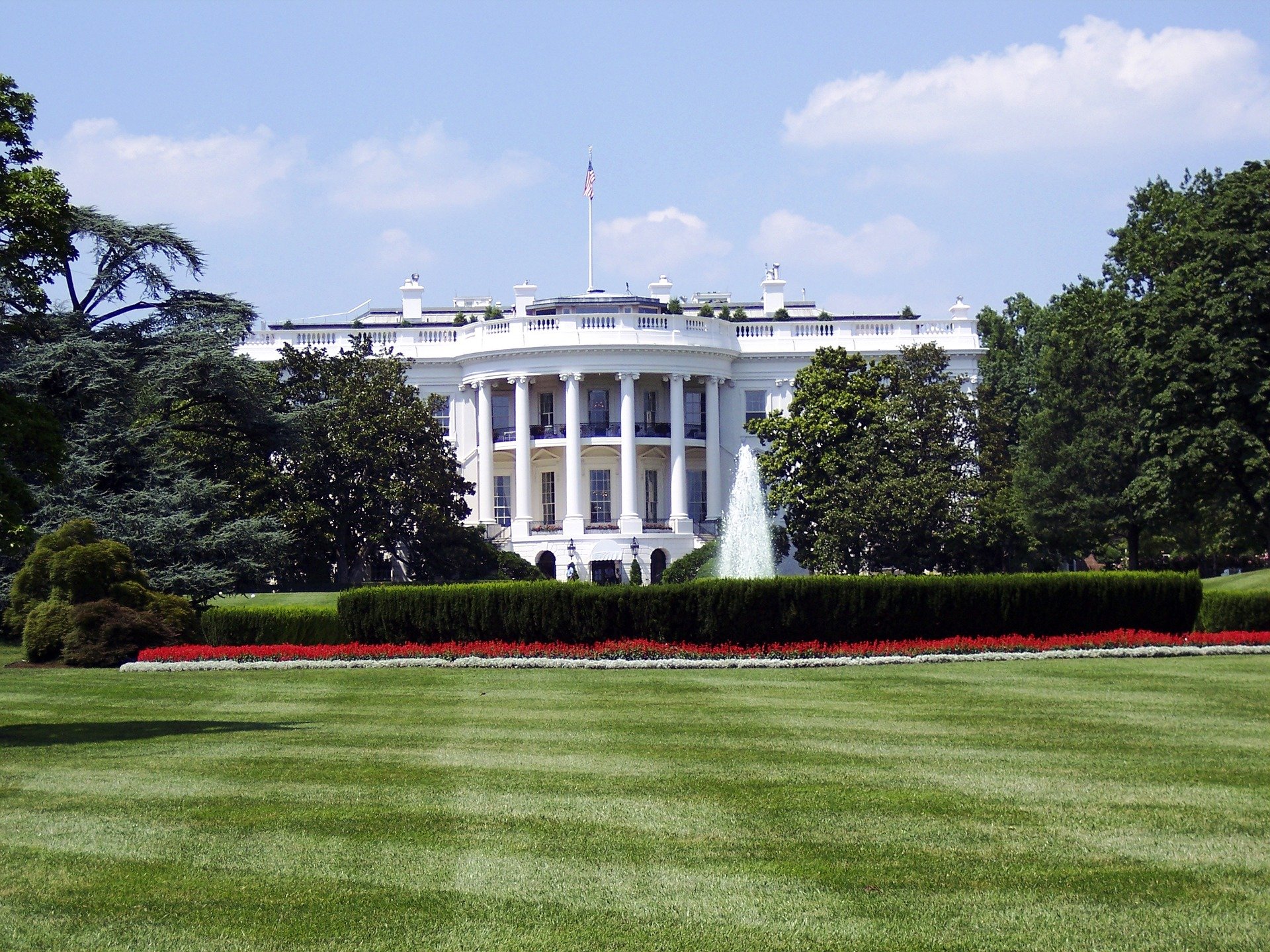
A new federal executive order aimed at halting state and local regulation of artificial intelligence (AI) has been issued, arguing that fragmented laws could undermine U.S. competitiveness. This action raises significant questions about federal preemption, state authority, and the future of locally driven AI safeguards.
The executive order, titled “Ensuring a National Policy Framework for Artificial Intelligence,” was announced last month and follows Congress’s decision to drop a proposed federal moratorium on state AI regulation. The order asserts that a patchwork of state laws could hinder innovation and competitiveness in the U.S. and sets the stage for renewed tensions between federal and state governments regarding AI governance.
Recently, the U.S. Senate, in a bipartisan effort, rejected a sweeping attempt to block state and local governments from regulating AI, reaffirming their authority to protect residents amid rapidly evolving technology. The new executive order directs multiple federal agencies to limit or deter state and local AI laws that conflict with federal priorities or constitutional principles.
According to the executive order: “The resulting framework must forbid state laws that conflict with the policy set forth in this order. Until such a national standard exists, however, it is imperative that my Administration takes action to check the most onerous and excessive laws emerging from the States that threaten to stymie innovation.”
Key provisions of the executive order include the establishment of an AI Litigation Task Force, which will be directed by the U.S. Attorney General. This task force will be dedicated to challenging state AI laws in court on grounds of federal preemption, interstate commerce, or constitutional violations. Additionally, the Secretary of Commerce is required to evaluate existing state AI laws within 90 days and identify those deemed “onerous,” particularly those requiring altered AI outputs or extensive disclosures that may raise First Amendment concerns.
Furthermore, access to certain federal funds, including non-deployment funding under the $42.5 billion Broadband Equity, Access, and Deployment (BEAD) Program, may be conditional on a state’s AI regulatory posture, to the maximum extent allowed by law. The order also calls for legislative recommendations to establish a federal AI framework that would explicitly preempt conflicting state laws and directs agencies to explore national reporting, disclosure, and enforcement standards for AI.
The executive order is expected to face legal challenges from states and localities that have already enacted AI laws addressing transparency, bias, privacy, discrimination, and public safety. According to the National Conference of State Legislatures, all 50 states and several territories considered AI legislation in 2025, highlighting the broad engagement of states in this policy area.
As the landscape of AI continues to evolve, the implications of this executive order underscore a significant shift in how AI governance may be approached in the United States. The balance between federal oversight and state authority will likely be tested in the courts, as various stakeholders grapple with the complexities of regulation in a rapidly advancing field.
Read the Executive Order.
Read the full Ogletree Deakins article.
See also Council Confirms Part-Time Code-Compliance Role Amid Social Media Concerns
 UNESCO Report Highlights Capacity Building for Effective AI Regulation Amid Rapid Technological Change
 Congo Launches Seminar with Global Experts to Shape Digital Regulation and AI Governance
 Omer Tene Discusses Key Digital Policy Trends in Privacy and AI for 2026
 Florida’s Sam Garrison Forecasts Heated AI Regulation Debate Amid Property Tax Cuts