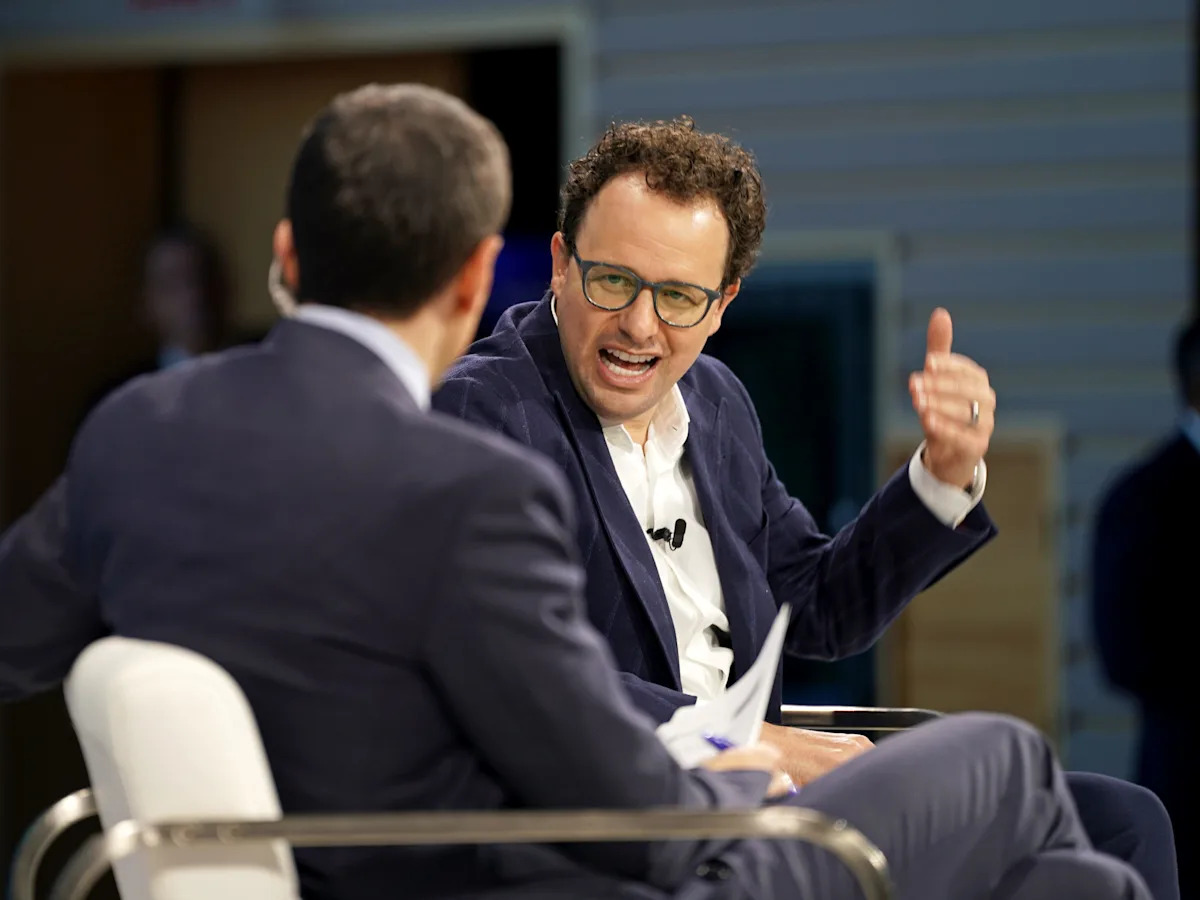
The CEOs of Anthropic and Google DeepMind have revealed that artificial intelligence (AI) is beginning to reshape the junior-level job market within their organizations. During a joint interview at the World Economic Forum in Davos on Tuesday, DeepMind CEO Demis Hassabis noted early signs of a hiring slowdown in entry-level positions and internships, highlighting that the impact of AI might be felt more acutely in these areas.
“I think we’re going to see this year the beginnings of maybe it impacting the junior level,” Hassabis stated, expressing concern over how rapidly evolving technology is influencing hiring trends. He emphasized that both companies are witnessing a shift, with entry-level roles becoming increasingly vulnerable to automation and AI-driven efficiencies.
Echoing this sentiment, Anthropic CEO Dario Amodei remarked that he had previously predicted AI could potentially eliminate half of all entry-level white-collar jobs, leading to unemployment rates soaring as high as 20%. As of this week, Amodei affirmed that his outlook remains unchanged, indicating that signs of this shift are becoming observable within his own company.
“Now I think maybe we’re starting to see just the little beginnings of it, in software and coding,” Amodei noted, suggesting that as AI capabilities grow, companies may find themselves needing fewer employees at both junior and intermediate levels. “I can see it within Anthropic, where I can look forward to a time where on the more junior end and then on the more intermediate end we actually need less and not more people,” he elaborated.
Both executives cautioned that the potential ramifications of AI on the economy and labor markets could necessitate significant institutional changes. They argued for the establishment of international regulations governing AI to prevent detrimental outcomes. “My worry is as this exponential keeps compounding, and I don’t think it’s going to take that long — again, somewhere between a year and five years — it will overwhelm our ability to adapt,” Amodei warned.
The discussion at Davos reflects a growing concern within the tech industry regarding the pace of AI development and its implications for the workforce. As automation continues to advance, executives are wrestling with how best to navigate this transformative landscape. The prospect of diminishing roles for junior talent raises critical questions about the future of work and the skills that will be in demand.
The potential impact of AI on the job market is multifaceted, with some experts arguing that while certain positions may become obsolete, new opportunities will arise in areas requiring higher-level skills. However, the immediate effects on entry-level positions are becoming apparent, prompting leaders like Amodei and Hassabis to advocate for proactive measures to address these changes.
The urgency of their message is underscored by the rapid advancements in AI technologies, which are outpacing the ability of many organizations and workers to adapt. As companies like Anthropic and DeepMind lead the charge in AI development, the need for thoughtful approaches to workforce transition becomes increasingly critical. The executives’ insights signal a pivotal moment for the industry, one in which the intersection of technology, employment, and economic policy will demand careful attention over the coming years.
See also Trump Shares AI Image of US Claiming Greenland, Leaks Flattering Texts Before Davos Summit
 Markets Defy Geopolitical Turmoil as AI and Data Centers Propel U.S. Growth, Blackstone CEO Says
 Samsung Reveals Major Bixby Overhaul with Perplexity AI for One UI 8.5
 PwC’s Kande: Over 50% of AI Investments Wasted Amid India’s Rising CEO Confidence
 Transforming Policing: Essential AI Integration Strategies for Risk Management and Culture Shift