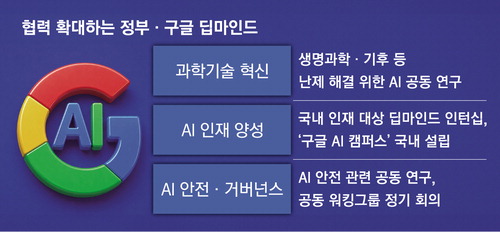
South Korea has enacted a new artificial intelligence (AI) safety law, becoming the second country to do so after the European Union. This legislation establishes a national policy framework that emphasizes risk assessment, transparency, and human oversight in AI systems. The Ministry of Science and ICT indicated that the primary aim of the act is to foster growth within the AI sector by creating national standards for trustworthy AI, balancing innovation with safety, particularly for high-impact systems, as reported by The Korean Herald.
The law addresses three key areas: high-impact AI, safety obligations for high-performance AI, and transparency requirements for generative AI. These provisions are designed to ensure that AI technologies developed and deployed within the country adhere to strict safety and ethical standards.
The implementation of the new law will occur over a phased timeline of at least one year. During this period, the focus will be on consultation and education rather than enforcement, meaning the government will not conduct fact-finding investigations or impose administrative sanctions during this initial phase. This approach aims to encourage compliance and understanding among stakeholders in the AI ecosystem.
As global attention on AI ethics and safety intensifies, the South Korean legislation mirrors similar efforts in the European Union, where the EU’s AI Act is set to officially take effect in late 2024. The EU regulations will require companies to meet stringent transparency requirements, including publishing detailed reports on the content used in AI training and conducting safety tests prior to launching AI products. This regulatory environment underscores the growing recognition of AI’s potential risks and the need for accountability in its development.
In light of these developments, prominent figures in the tech industry have voiced concerns regarding the EU’s approach to AI regulation. Notably, Ericsson CEO Borje Ekholm and other technology leaders co-signed an open letter criticizing the EU’s AI and data privacy rules, warning that a fragmented regulatory approach could hinder the bloc’s economic and technological progress. This sentiment reflects a broader unease among industry stakeholders regarding how regulations might impact innovation and competitiveness.
As South Korea joins the ranks of nations prioritizing AI safety, it is positioning itself as a proactive player in the global conversation around responsible AI development. The focus on high-impact and generative AI highlights the government’s commitment to ensuring that the technologies shaping the future are not only innovative but also safe and transparent.
Ultimately, the effectiveness of South Korea’s AI safety law will depend on the collaboration between government agencies, industry leaders, and civil society. By fostering an environment that encourages dialogue and education, the country aims to create a robust framework for AI that can serve as a model for others to follow. As the landscape of AI continues to evolve, the implications of these regulations could resonate far beyond South Korea’s borders, influencing international standards and practices in AI governance.
See also AI Ethics: Essential Safeguards for Responsible Research in Academia
 South Korea Launches Pioneering AI Act with Safety Standards for Frontier AI Systems
 NetDocuments CTO John Motz Reveals AI’s Transformative Role in Legal Workflows
 Anthropic Releases “Claude’s Constitution” to Enhance AI Safety and Ethical Framework