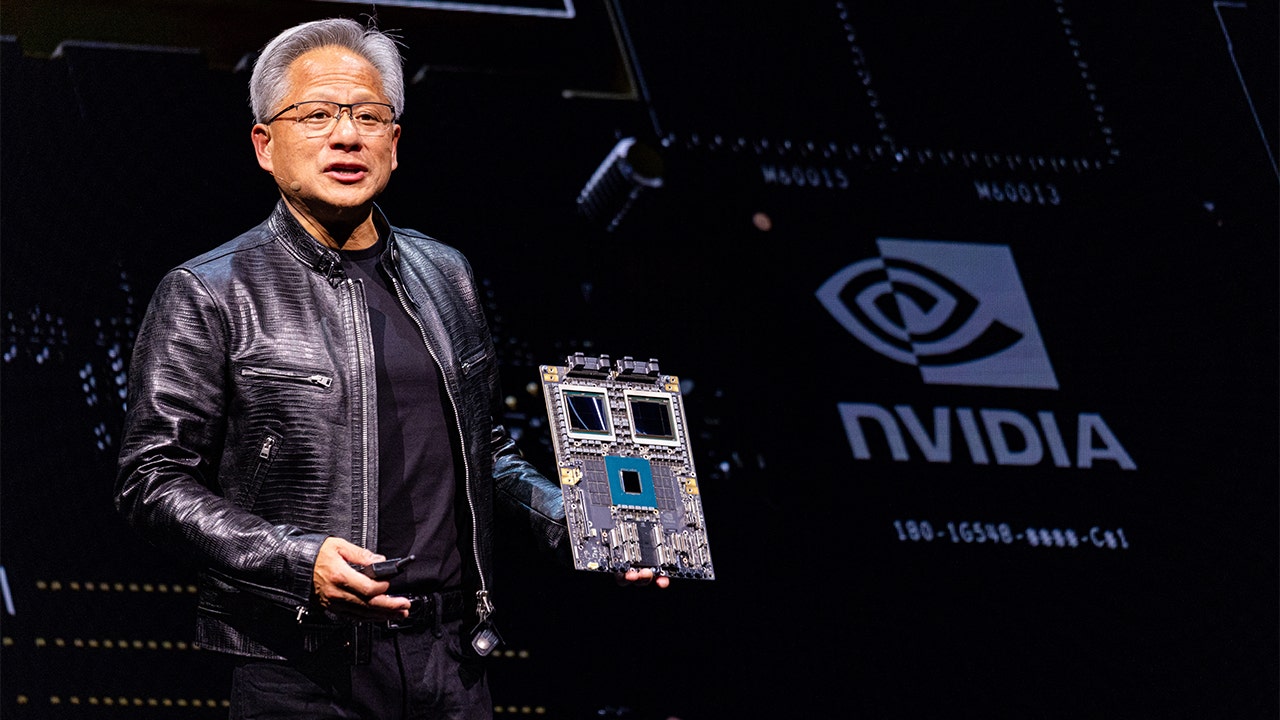
Nvidia CEO Jensen Huang has asserted that the current surge in artificial intelligence (AI) is triggering what he termed the “largest infrastructure buildout in human history.” This expansion is driven by an influx of investment from both corporations and governments, with trillions of dollars directed towards the computing power essential for real-time AI operations.
In a significant development, Apple has announced a collaborative venture with Google to enhance its AI capabilities. Under this multi-year partnership, Apple plans to base its upcoming generation of Apple Foundation Models on Google’s Gemini models and cloud technology. This collaboration marks a pivotal moment in the AI field, as both tech giants combine their resources to strengthen their positions in an increasingly competitive market.
Meanwhile, Amazon is facing a period of corporate restructuring, with plans to lay off thousands of employees as it seeks to streamline its workforce by nearly 10%. This decision reflects broader trends in the tech industry, where many companies are reassessing their staffing needs amid shifting market conditions.
On the consumer technology front, Amazon has launched Alexa.com, allowing users to access Alexa’s capabilities directly from web browsers, moving beyond the traditional reliance on smart speakers and mobile devices. This initiative exemplifies the ongoing integration of AI into everyday technology.
In legislative news, the House of Representatives has passed a bill aimed at increasing access to AI education for small businesses. This move underscores the growing recognition of AI’s potential to transform various sectors and the need for small enterprises to adapt to this technological evolution.
As the AI narrative continues to evolve, Qualcomm CEO Cristiano Amon outlined the industry’s next steps, emphasizing a shift from data centers to broader applications in vehicles, devices, and robotics. This expansion signifies that the reach of AI is now permeating various facets of life and commerce.
In a related context, ServiceNow and OpenAI are enhancing their strategic partnership to help enterprises leverage AI for tangible business outcomes. This collaboration highlights the increasing focus on utilizing AI to drive efficiency and innovation across industries.
Despite the challenges posed by rapid technological advancements, Palantir CEO Alex Karp expressed optimism about AI’s role in enhancing civil liberties while cautioning European nations about their lagging adoption rates compared to the United States and China. His comments reflect a growing awareness of the geopolitical implications of AI development.
In another noteworthy announcement, Tesla CEO Elon Musk revealed plans to make the company’s Optimus robots available for public purchase by the end of 2027. This goal indicates Tesla’s commitment to expanding its technological innovations beyond electric vehicles.
As the AI landscape continues to unfold, it presents both challenges and opportunities, influencing economic structures, corporate strategies, and social dynamics. The ongoing dialogues among industry leaders, lawmakers, and educators will likely shape the trajectory of AI integration into daily life and enterprise operations.
For more insights into the rapidly changing world of AI technology, follow Fox News.
See also South Korea Launches World’s First AI Basic Act, Raising Compliance Concerns for Startups
 Meta Suspends Global Teen Access to AI Characters Amid Regulatory Scrutiny
 Solana Dips Below $140 Amid ETF Outflows; Zero-Knowledge Proofs Shift Market Dynamics
 UiPath’s Maestro Positions It to Lead AI Agent Orchestration Amid Market Shift
 Perplexity AI Launches Google Drive Connector for Enhanced File Search Capabilities