Artificial Intelligence Revolutionizes Drug Commercialization
DelveInsight Business Research has unveiled its latest report detailing the significant impact of artificial intelligence (AI) on the drug commercialization landscape. The report highlights prominent players such as EVERSANA, Lyfegen, and Syneos Health, all of which are pioneering AI-driven solutions that enhance decision-making processes, cut costs, and accelerate drug approvals. The AI in drug commercialization market is projected to grow at a compound annual growth rate (CAGR) of 24.12% over the next decade, fueled by the rising incidence of chronic diseases, the increasing significance of Real-World Evidence (RWE) in personalized medicine, and blossoming collaborations between technology and pharmaceutical firms.
AI is transforming how pharmaceutical companies engage with market access, pricing, and patient involvement. By leveraging advanced analytics, companies can sift through extensive real-world data to devise effective market entry strategies while streamlining reimbursement processes. Machine learning models enhance these strategies by analyzing prescribing patterns, payer coverage trends, and competitor activities, facilitating refined pricing and reimbursement methodologies. In addition, predictive modeling powered by AI optimizes demand forecasting, mitigates supply chain inefficiencies, and ensures timely delivery of essential treatments to patients.
The escalating prevalence of chronic diseases necessitates innovative treatment solutions, amplifying demand for AI-infused drug commercialization methods. The World Heart Federation reported that approximately 60 million people globally were diagnosed with atrial fibrillation in 2022, exemplifying the urgent need for AI-enhanced commercialization strategies in addressing cardiovascular diseases. In oncology, firms are increasingly developing precision oncology drugs and immunotherapies, with AI playing a pivotal role in drug discovery and patient stratification, thus expediting the commercialization process.
Recent industry developments underscore the accelerating adoption of AI. In January 2025, Lyfegen announced a strategic partnership with EVERSANA to innovate drug pricing and access through AI-driven insights. This collaboration aims to integrate EVERSANA’s extensive pricing data with Lyfegen’s Public Drug Agreement Library, which includes over 7,000 public pricing agreements.
That same month, Google introduced TxGemma, a suite of open AI models designed to expedite drug discovery by interpreting natural language and molecular structures. This initiative is accessible through Google’s Health AI Developer Foundations program, enabling researchers to better predict therapeutic safety and efficacy—an essential advancement in pharmaceutical innovation.
In March 2024, Tonix Pharmaceuticals partnered with EVERSANA to strategize the launch of Tonmya Trademark (TNX-102 SL) for fibromyalgia management in the U.S., highlighting the growing reliance on AI-driven approaches in pharmaceutical commercialization. Furthermore, in July 2024, IntegriChain acquired Federal Compliance Solutions, enhancing its capabilities in government pricing and payer contracting, thereby strengthening its position in the market through advanced analytics and AI-driven support.
DelveInsight’s report offers a comprehensive segmentation analysis, examining various facets including service types, drug types, commercialization stages, medical indications, and end-user categories. Within drug types, small molecules are expected to dominate the market in 2024. AI is crucial in optimizing these drugs’ commercialization through accelerated development and enhanced market strategies.
North America is anticipated to command the largest share of the AI in drug commercialization market, backed by a robust biotechnology sector, advanced healthcare infrastructure, and significant investment in AI R&D. Projections from the International Diabetes Federation suggest that diabetes cases in North America will increase from 3.55 million in 2021 to 3.83 million by 2045. AI platforms are leveraging genomic data and RWE to enhance drug discovery and regulatory processes, particularly in oncology, by identifying biomarkers and aiding in patient stratification.
While the market outlook is optimistic, challenges such as privacy concerns, data security issues, and resistance to AI adoption due to misconceptions remain. Regulatory bodies like the FDA and EMA are paving the way by drafting guidelines for AI tools in the pharmaceutical sector, fostering confidence and expediting market approvals for AI technologies.
The focus on RWE is enabling pharmaceutical companies to harness AI for more personalized medicine, refining drug development and market positioning. AI is essential for optimizing pricing models by analyzing extensive datasets to identify trends that support value-based pricing structures.
DelveInsight’s comprehensive report provides pharmaceutical executives with actionable insights into market dynamics, competitive landscapes, and strategic recommendations for leveraging AI in drug commercialization. For a deeper understanding, access the complete report on the AI in Drug Commercialization Market.
See also China Approves ByteDance, Alibaba, Tencent to Buy 400,000 Nvidia H200 AI Chips
 Students Tackle AI Ethics in Competitive ‘Iron Bowl’ Debate, Shaping Future Discourse
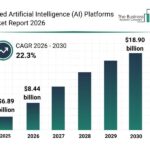 Unified AI Platforms Market Set to Surge to $18.90B by 2030, Driven by Enterprise Demand and Innovations
 Google DeepMind Open-Sources AlphaGenome, Enhancing DNA Research with 1M Base Pairs
 Microsoft’s $37.5B AI Investment Sparks Concerns as Cloud Growth Slows to 39%