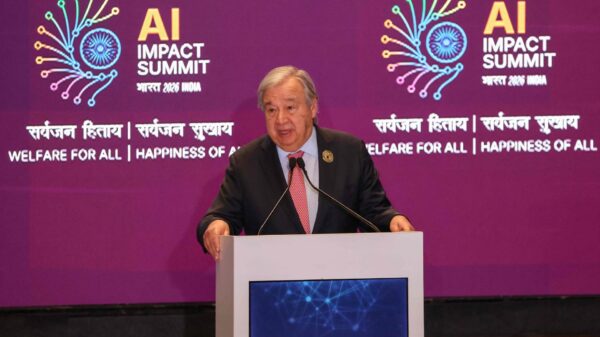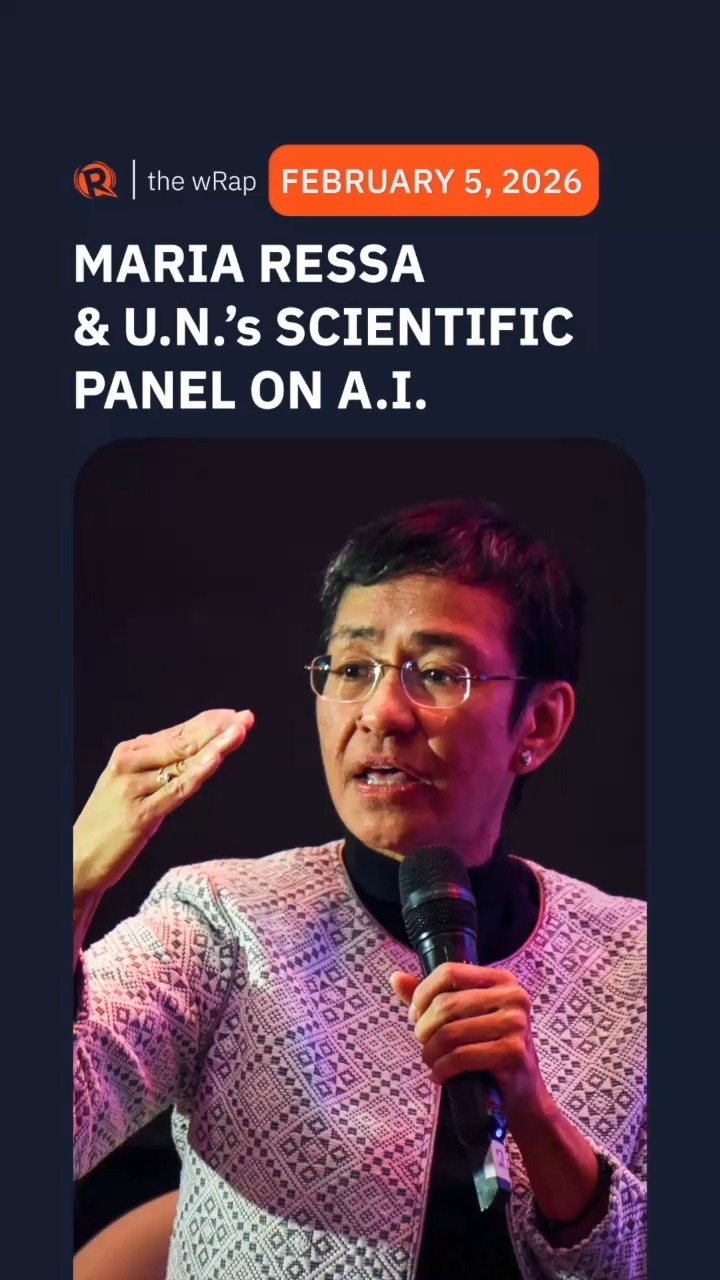
Maria Ressa, the CEO of Rappler and a 2021 Nobel Peace Prize laureate, has been recommended by UN Secretary-General Antonio Guterres to join the Independent International Scientific Panel on Artificial Intelligence. This panel is expected to play a critical role in guiding the development and governance of artificial intelligence technologies worldwide.
The formation of the Independent International Scientific Panel on Artificial Intelligence aims to bring together leading experts to address the complex challenges posed by AI advancements. Ressa’s inclusion in this group highlights her commitment to upholding democratic principles and human rights in the face of rapid technological change.
Guterres announced the recommendations as part of broader efforts to ensure that AI technology serves humanity’s best interests. The panel’s responsibilities will likely include providing expert advice on ethical AI practices, promoting transparency, and fostering international collaboration to manage the impacts of AI on society.
Ressa has been at the forefront of discussions surrounding the intersection of technology, journalism, and democracy. Her career has been marked by challenges to press freedom, particularly in the Philippines, where her work at Rappler has garnered international attention for its investigative reporting and critiques of government policies.
As AI continues to permeate various sectors, the need for governance frameworks becomes increasingly pressing. Experts argue that without proper oversight, AI could exacerbate existing inequalities or threaten civil liberties. The panel, which features a diverse group of specialists from various fields, is poised to tackle these critical issues.
The UN’s move to establish such a panel reflects a growing consensus among governments, academia, and civil society that responsible AI development is essential. Ressa’s involvement underscores the urgency of incorporating perspectives from those who advocate for human rights and freedom of expression into the conversation about technological governance.
In recent years, the conversation around AI has evolved from technical discussions to encompass broader societal implications. As companies and nations race to develop cutting-edge AI technologies, the potential for misuse and the ethical dilemmas surrounding AI usage have garnered significant attention.
Ressa’s participation in the panel is expected to enhance the dialogue about the role of journalism and information in a digital age increasingly dominated by AI. Her insights will be valuable in considering how AI technologies can be utilized to support, rather than undermine, democratic values.
Looking ahead, the work of the Independent International Scientific Panel on Artificial Intelligence could lay the groundwork for future regulations and standards in AI development. As the panel convenes, the outcomes of its deliberations could influence both local and global policies regarding AI, shaping its trajectory for years to come.
See also DOT Plans to Use Google Gemini for 90% of Federal Rulemaking, Ignoring Legal Risks
 FTC Signals Reduced Regulation on AI, Citing Deregulatory Shift Under Trump Administration
 FINRA Executive Reveals AI Compliance Strategies for 2026 at Compliance Week Event
 Union Leaders Urge Newsom to Regulate AI to Protect Workers Ahead of 2028 Presidential Run
 US, China, and India Pursue Divergent AI Strategies as Global Market Set to Hit $1.8 Trillion by 2030