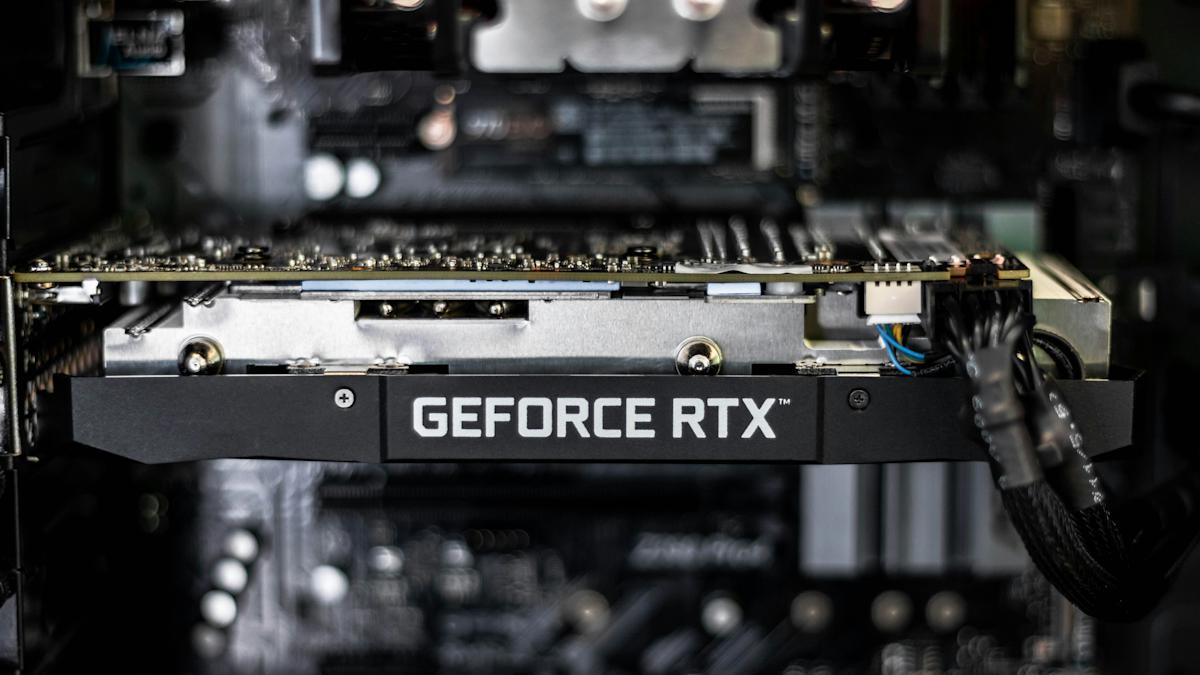
NVIDIA, a leader in graphics processing units, reportedly will forgo the release of new gaming graphics cards this year, marking a significant shift in its strategy. According to a report from The Information, the company has delayed its plans to update the RTX 50 line until 2026, a year when it has not launched new gaming chips for nearly three decades. This change underscores a growing focus on artificial intelligence (AI), which has become a driving force behind NVIDIA’s revenue.
The demand for AI technologies has contributed to a widespread memory chip shortage, severely impacting the consumer electronics sector. As a result, product prices are anticipated to rise, further complicating an already strained market. The shortage has rendered components, including graphics processing units (GPUs), increasingly difficult to obtain. The auto industry, too, has felt the repercussions of this scarcity.
Historically reliant on gaming products, NVIDIA is now shifting its focus away from that demographic, which has seen a marked decrease in revenue contribution. In the first nine months of 2022, gaming GPUs accounted for 35 percent of NVIDIA’s total revenue. By the same period in 2025, this figure plummeted to approximately 8 percent. The company’s AI chips, however, boast significantly higher profit margins—65 percent compared to just 40 percent for graphics cards.
This pivot in focus means that gamers can expect little relief from the tight supply of last year’s RTX 50 series. Reports indicate that the anticipated “Super” version will not emerge in 2026, and the delay will further postpone the release of NVIDIA’s next-generation graphics card, likely to be branded as “RTX 60.” This model was originally slated for mass production by the end of 2027.
As NVIDIA repositions itself in response to the evolving market, the gaming community faces the reality of a diminishing product lineup. While the company’s focus on AI offers lucrative opportunities for growth, it raises questions about the future of gaming hardware and the support available for its dedicated user base. The landscape of technology continues to change rapidly, illustrating the increasing importance of AI in driving innovation and shaping market strategies.
See also Google Cloud Secures Billion-Dollar Contracts, Reshaping Enterprise AI Landscape
 Amazon Leads $200B AI Infrastructure Surge as Tech Giants Compete in 2026
 DroidUp Reveals Moya, First Biomimetic AI Robot with Humanlike Expressions and 92% Walking Accuracy
 ST Engineering and Ramco Launch AI-Led MRO Tech Partnership for Aviation Innovation
 Reach Partners with Taboola to Launch DeeperDive Gen AI Answer Engine for Publishers