






















































The New York legislature is advancing the New York Fundamental Artificial Intelligence Requirements in News Act (NY FAIR News Act), a bill aimed at regulating the use of generative artificial intelligence in news reporting. If enacted, the legislation would mandate that any news content that is “substantially composed, authored, or created through the use of generative artificial intelligence” include a disclaimer. Furthermore, it stipulates that such content must undergo review and approval by a human possessing “editorial control” prior to publication.
The implications of the NY FAIR News Act extend beyond disclaimers and editorial oversight. The proposed legislation would require news organizations to inform their employees about how and when AI technologies are utilized within newsrooms. Additionally, it seeks to establish safeguards to ensure that confidential information, especially data related to sources, remains protected from AI access.
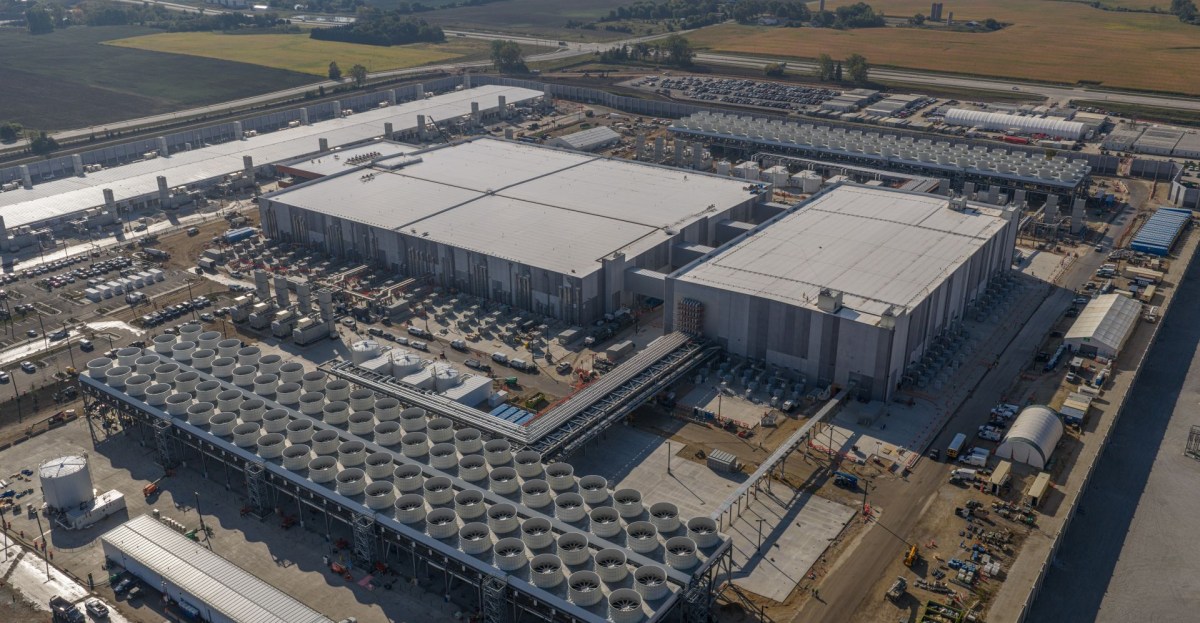
In a related move, bill S9144 has been introduced, which calls for a moratorium on issuing permits for new data centers in New York for a minimum of three years. This pause comes amid rising costs of electricity and gas for residential, commercial, and industrial users. According to National Grid New York, requests for “large load” connections have surged, tripling within a year, with expectations of an additional demand of at least 10 gigawatts over the next five years. Currently, over 130 data centers operate in the state, as reported by Data Center Map.
The dual legislative efforts reflect mounting concerns over the ramifications of AI technologies on both journalism and energy consumption. As generative AI tools become increasingly prevalent in content creation, lawmakers are prioritizing transparency and ethical standards within the news industry. The NY FAIR News Act, in particular, aims to maintain journalistic integrity while navigating the complexities introduced by AI applications.
In recent months, media organizations have grappled with the challenges posed by AI-generated content. This regulatory framework seeks to ensure that human oversight remains a critical component of news reporting, allowing for a balance between innovation and accountability. The disclosure requirements outlined in the NY FAIR News Act are expected to foster trust among newsroom employees and the public, as transparency in AI usage becomes a focal point of ethical journalism.
The legislation arrives at a time when the rapid expansion of data infrastructure raises questions about sustainability and energy consumption. The moratorium on new data centers highlights a governmental response to the increasing demand for energy resources, which has been exacerbated by the proliferation of cloud computing and AI technologies. As the energy landscape shifts, lawmakers are tasked with addressing the needs of both consumers and industries reliant on robust data services.
The intersection of technology, journalism, and energy regulation poses significant challenges and opportunities. As the NY FAIR News Act and S9144 move through the legislative process, they signal a proactive approach by New York lawmakers to address contemporary issues wrought by technological advancements. Observers in the tech and media sectors will be closely monitoring the developments of these bills, as their outcomes could set important precedents for other states grappling with similar issues.
Looking ahead, the implications of these legislative efforts may resonate beyond New York. As AI continues to reshape the media landscape and energy infrastructure, other jurisdictions may take cues from New York’s initiatives, potentially leading to a broader national dialogue on the ethical use of technology in journalism and the sustainability of data centers.
See also UW-Whitewater Launches New AI Major to Meet Demand for Skilled Tech Graduates
 OpenAI Forms Ads Integrity Team to Ensure Trust Ahead of ChatGPT Ad Rollout
 AI-Driven Stock Volatility Sparks ‘Bubble’ Concerns; Experts Urge Caution and Diversification Strategies
 Broadcom’s AI Chip Surge and VMware Overhaul Set to Transform Tech Landscape














