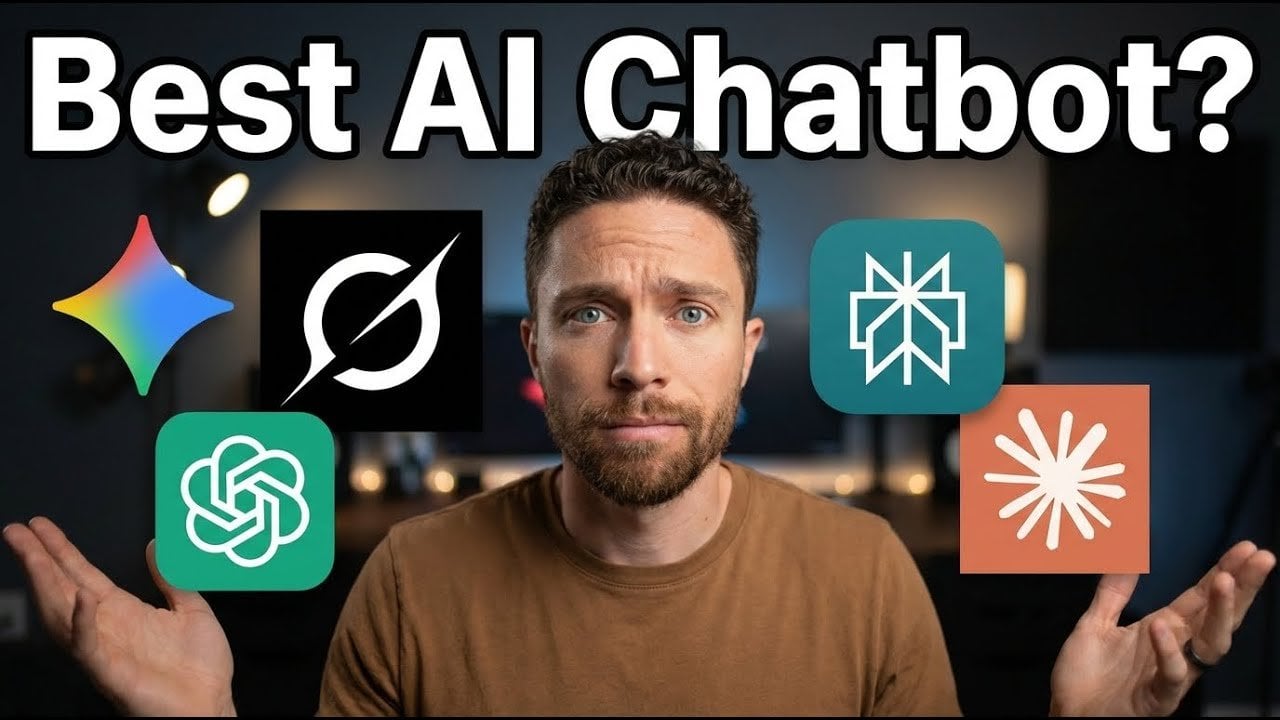
As the artificial intelligence landscape continues to evolve, understanding the various capabilities of available chatbots becomes increasingly essential. In a recent analysis by Paul J. Lipsky, the strengths of several prominent AI chatbots—ChatGPT, Claude, Gemini, Perplexity, and Grok—are explored in depth, shedding light on how each excels in particular areas that cater to different user needs. The guide aims to help users navigate an often overwhelming array of choices by highlighting the distinctive features of these platforms.
OpenAI’s ChatGPT stands out as a versatile all-in-one tool, ideal for creative tasks, research, and coding support. Its multimodal capabilities allow it to generate text and analyze images, making it a powerful resource for content creation and multimedia editing. The addition of a voice chat feature further enhances its usability, enabling natural conversations. In terms of productivity, integrations with various tools, including Gmail and Chrome, streamline workflows for users ranging from developers to researchers who benefit from its structured responses and coding support.
On the other hand, Claude, developed by Anthropic, is tailored for managing extensive datasets, making it well-suited for researchers and developers. Its ability to handle large files such as PDFs and CSVs is complemented by features like “Projects,” which aid in organizing conversations, and “Co-work,” which simplifies file management on Mac systems. Though Claude excels in coding and long-form content generation, it does impose strict usage limits, which may restrict its applicability for high-volume users.
Gemini, created by Google, is designed primarily for multimedia tasks, providing seamless integration with tools such as Gmail, Docs, and Chrome. This makes it particularly advantageous for professionals in visual content creation, as it excels in generating and editing images and videos. Advanced tools like Notebook LM and Flow further enhance Gemini’s functionality, effectively catering to those involved in multimedia production.
Perplexity targets users focused on research, offering citation-backed answers and real-time internet search capabilities. Its organization of information into tables ensures accuracy and reliability, making it a vital tool for detailed analysis. However, its scope is narrower than other AI tools, limiting its effectiveness for creative or multimedia projects.
Lastly, Grok, developed by XAI, specializes in real-time data access from X (formerly Twitter), providing valuable insights for tracking trending topics and crafting timely content. Its engaging conversational style appeals to content creators and social media managers, although it lacks the versatility of other AI solutions.
Choosing the right AI chatbot hinges on user priorities. For those seeking a comprehensive tool, ChatGPT’s multifaceted capabilities serve a broad range of applications. Claude is ideal for analyzing complex data and collaborating on extensive projects, while Gemini appeals to multimedia professionals embedded in the Google ecosystem. Perplexity is recommended for users needing reliable, citation-backed information, while Grok emerges as a critical asset for those focused on real-time social media engagement.
In a rapidly changing tech environment, understanding the unique strengths and limitations of these AI tools can empower users to select the one that aligns best with their goals. As AI chatbots become increasingly embedded in various workflows, their potential to enhance productivity and creativity remains significant.
See also AI Ethics in Insurance Market Set for Major Transformation by 2033, Driven by Tech Giants
 Allonic Secures $7.2M Pre-Seed Investment to Transform Robotics Manufacturing
 BankrCoin Surges 22%, Pippin Climbs 45% as AI Crypto Market Cap Stabilizes at $12.6B
 AI’s Rise Threatens Democracy: Authoritarian Regimes Leverage Technology for Control
 Commercial AI Spending Soars, Yet 90% of Firms Report Low Revenue Impact