























































The global market for AI ethics in insurance is poised for significant growth as industry stakeholders grapple with the ethical implications of artificial intelligence technologies. A recent study by HTF MI Research evaluates the market trends and forecasts through 2033, emphasizing the need for fairness, transparency, and accountability in AI applications across underwriting, claims processing, and customer service.
Major players in the sector include IBM, Deloitte, and Microsoft, among others. As AI becomes integral to decision-making in insurance, concerns regarding bias, privacy, and discrimination are increasingly coming to the forefront. The study indicates that addressing these ethical challenges is crucial for the sustainable integration of AI in the industry.
Rapid adoption of AI tools is driving the development of guidelines aimed at ethical use. Key trends identified in the report include the integration of explainable AI (XAI) in claims decisions and a rising importance placed on bias reduction in AI models. Furthermore, the demand for AI-driven fraud detection systems is growing, reflecting a broader movement toward adopting ethical AI frameworks within insurance policies.
Market drivers, as outlined in the research, include the increasing use of AI in underwriting and claims processing, alongside heightened regulatory scrutiny. There is a palpable need for transparent AI systems in insurance, influenced by growing public concerns over the fairness of AI decision-making. The report notes that these factors collectively position responsible AI use as not just a regulatory requirement but also a potential market differentiator.
In terms of market opportunities, the report highlights developments in responsible AI services and the potential for creating trust with customers through transparent AI implementations. The creation of insurance products that incorporate ethical considerations presents another avenue for growth, alongside improvements in fraud prevention measures.
However, the path forward is not without challenges. Ethical dilemmas surrounding AI decision-making and the risk of algorithmic bias pose significant hurdles. The report also points to difficulties in maintaining transparency and the high costs associated with compliance as barriers that organizations must navigate. Moreover, insurers face pressure to balance profit margins with fairness in their operations.
Geographically, North America is positioned as the dominant region in the AI ethics in insurance market, with the Asia Pacific region expected to be the fastest-growing. The study emphasizes the importance of regional considerations, analyzing consumption, revenue, and market share across various countries, including the United States, Germany, and Japan.
The report aims to provide actionable insights into the AI ethics landscape, emphasizing the importance of understanding factors affecting market growth. Key objectives include analyzing market segments by value and volume, estimating market shares, and showcasing regional developments. The research also examines micro-markets to identify individual growth trends, contributing to a comprehensive understanding of the sector.
As organizations increasingly adopt AI technologies, the ethical implications will undoubtedly shape the future of the insurance industry. By fostering responsible AI use and addressing ethical concerns, insurers can not only enhance operational efficiency but also build stronger relationships with their customers. The ongoing collaboration between regulators, insurers, and technologists is critical in crafting frameworks that ensure the responsible application of AI technologies.
In conclusion, the AI ethics in insurance market reflects a growing awareness of the complexities involved in leveraging AI technologies responsibly. With significant opportunities for growth and innovation, the focus remains on addressing the ethical challenges that accompany this transformative shift in the insurance landscape. Stakeholders are encouraged to stay informed about market trends and prepare for the evolving intersection of technology and ethics in their strategic decisions.
For further details, the complete report can be accessed through HTF Market Intelligence.
See also Allonic Secures $7.2M Pre-Seed Investment to Transform Robotics Manufacturing
 BankrCoin Surges 22%, Pippin Climbs 45% as AI Crypto Market Cap Stabilizes at $12.6B
 AI’s Rise Threatens Democracy: Authoritarian Regimes Leverage Technology for Control
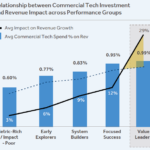 Commercial AI Spending Soars, Yet 90% of Firms Report Low Revenue Impact
 Eversheds Sutherland Elevates US AI Chief to Lead Global AI Initiatives Amid Rapid Adoption














