Artificial intelligence is rapidly reshaping the global landscape, yet its ultimate impact on humanity remains uncertain. While AI has the potential to reduce health care costs, revolutionize transportation, and enhance educational access, it also poses significant risks, particularly in the context of political repression. The technology could make authoritarian governance more efficient and pervasive, raising concerns about its influence on democratic structures, particularly in the United States.
Modern authoritarian regimes, notably in China, Russia, and Iran, harness AI to strengthen their grip on power. These technologies allow leaders to suppress dissent with less overt force, thus maintaining a façade of legitimacy. The historical advice of philosopher Niccolò Machiavelli remains relevant: rulers must balance oppression with public perception. AI empowers these leaders to manipulate public opinion subtly, reducing the need for physical repression while enhancing compliance through psychological means.
In an era dominated by smartphones and social media, AI’s capacity to shape individual perceptions and ideologies becomes critical. Sophisticated algorithms can filter dissent before it emerges, transforming political realities for citizens. The implementation of systems like China’s “City Brain,” which automates surveillance and gathers vast amounts of intelligence, exemplifies this trend. While such systems may reduce crime, they also facilitate social credit frameworks that penalize dissent through automated economic and social repercussions.
This evolution risks not only reinforcing autocracies but also accelerating democratic backsliding. AI threatens to replace traditional human intelligence networks that serve as checks and balances within democracies. When law enforcement agencies increasingly rely on AI, authoritarian measures can be executed with greater efficiency and less resistance from within the system. As with labor markets, power may consolidate at the top, concentrating authority in the hands of a few and enabling covert authoritarian actions.
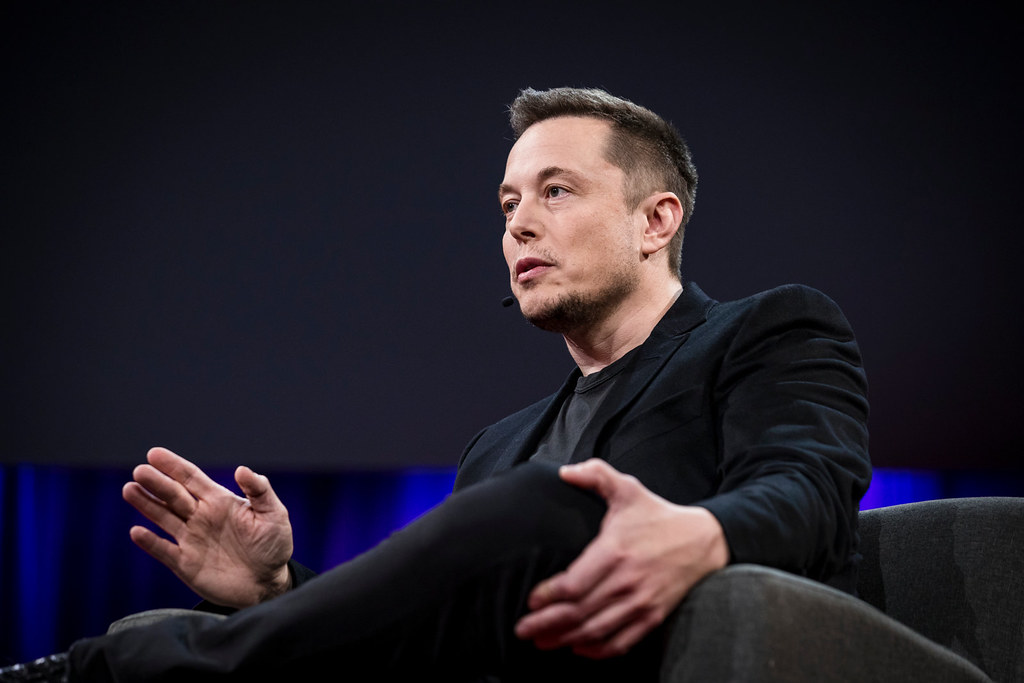
The critical question is whether U.S. elites—both political and economic—can be trusted to manage the emerging power of AI responsibly. While some may argue it is manageable, the risk is significant. Historical examples suggest a troubling trend where technocrats prioritize profit and efficiency over ethical considerations. Cases involving figures like Mark Zuckerberg and Elon Musk illustrate a willingness to overlook ethical dilemmas for greater engagement and wealth accumulation, raising concerns about the moral compass guiding such decisions.
This unease extends to political elites, reflecting potential authoritarian tendencies. The Epstein case highlights elite collusion and self-preservation at the cost of public accountability, revealing a disturbing trend across the political spectrum. Both left and right factions have employed tactics that could be construed as authoritarian, from fostering division to denying electoral outcomes.
Given these dynamics, the prospect of the current U.S. political and economic elites resisting the lure of authoritarian power seems dim. Although AI could foster genuine progress if governed justly, its misuse presents severe risks. The U.S. must navigate these challenges carefully as the technology increasingly intersects with political life, underscoring the importance of maintaining democratic integrity in the face of powerful new tools.
As AI technology evolves, its implications for governance and civil liberties will become even more pronounced. The balance between harnessing AI for positive societal outcomes and safeguarding democratic principles is a challenge that will require vigilance, transparency, and a commitment to ethical leadership.
See also Commercial AI Spending Soars, Yet 90% of Firms Report Low Revenue Impact
 Eversheds Sutherland Elevates US AI Chief to Lead Global AI Initiatives Amid Rapid Adoption
 Seize Microsoft Stock at $400: Strong AI Growth and 39% Azure Surge Ahead
 Mistral Invests €1.2B in Swedish AI Data Centers to Boost European Digital Sovereignty
 Google Offers Voluntary Exit Packages to Streamline Workforce Amid AI Strategy Shift