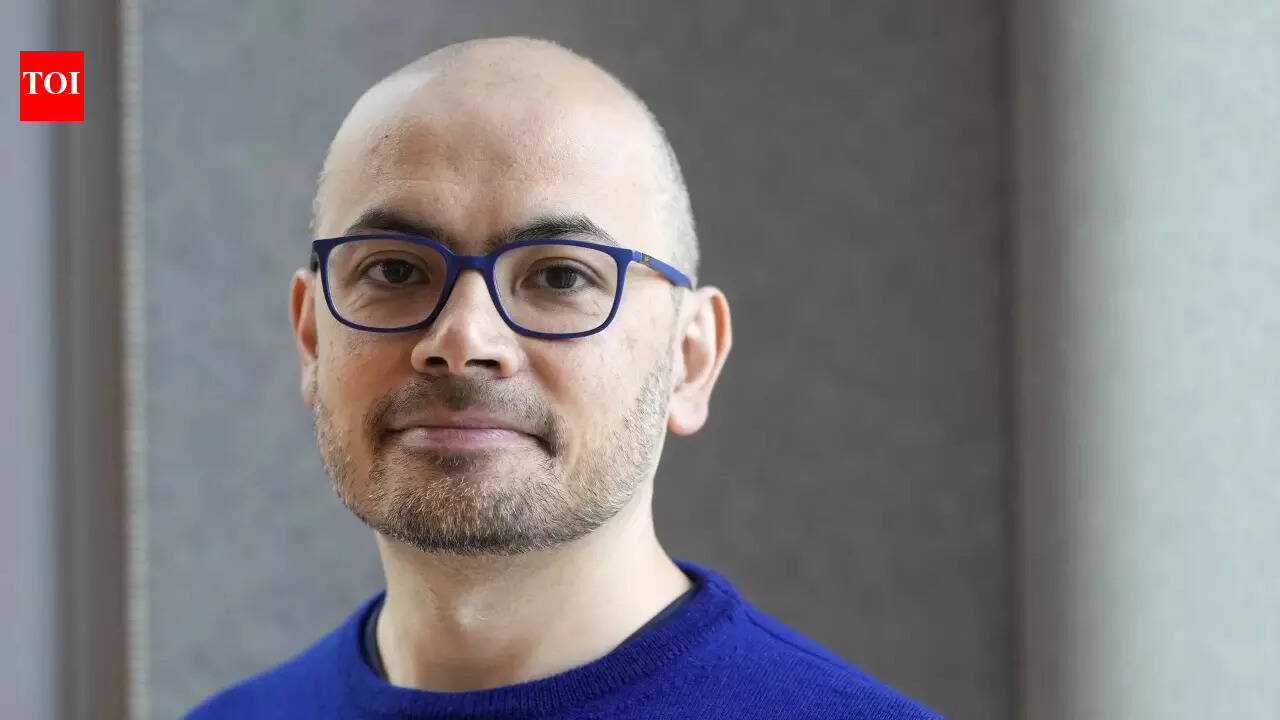
Google DeepMind CEO Demis Hassabis has emphasized the transformative potential of artificial intelligence (AI) in healthcare, predicting that it could significantly enhance human health over the coming decades. In a recent post on X (formerly Twitter), Hassabis shared insights into how AI is already accelerating drug discovery and shaping the future of medicine through Isomorphic Labs, a biotech startup he co-founded in 2021. His remarks arrive amid ongoing discussions about AI’s implications for the workforce and automation, with Hassabis specifically underscoring the long-term benefits AI could bring to healthcare.
“One of the most important things we can use AI for is to improve human health,” Hassabis stated. He elaborated that traditional biotech companies often develop one or two drugs throughout their lifetime, whereas Isomorphic Labs aims to create a system capable of producing dozens of drugs annually. “That seems crazy right now, but I think eventually, over the next 10 to 20 years, we could get to finding a solution to all disease…if we have a process that can find these needles in a haystack,” he said, highlighting the ambitious goals of the organization.
Isomorphic Labs, backed by Google, focuses on leveraging AI technologies to facilitate the discovery and design of new medicines. Hassabis noted that the company’s mission includes expediting the transition of treatments from research to development, ultimately enhancing outcomes for patients globally. The vision for AI in this context is not only to streamline processes but also to revolutionize how new therapies are conceived and brought to market.
In addition to his views on AI’s healthcare applications, Hassabis shared details about his unconventional work habits during an interview with Fortune. He revealed that his sleep routine is atypical, as he aims for about six hours of sleep each night but often breaks his waking hours into two distinct work phases. “I do try and get six, but I have unusual sleeping habits. I sort of manage during the day,” he explained. This unorthodox approach sees him engaging in back-to-back meetings during regular office hours, followed by family time and dinner.
As night falls, Hassabis begins what he refers to as a “second day of work,” often extending his efforts well into the early hours of the morning. Typically starting around 10 p.m., this late-night period is dedicated to creative thinking and research. “I can’t imagine being creative at four in the morning. But, I come alive at about 1 a.m.,” he shared, offering a glimpse into the mind of a leader at the forefront of AI development.
The broader implications of Hassabis’s insights reflect a growing recognition of AI’s potential to reshape not just healthcare, but various industries. As AI continues to evolve, the focus on its applications in drug discovery and patient care may pave the way for groundbreaking advancements that could ultimately lead to improved health outcomes for millions. With Isomorphic Labs at the forefront, the intersection of AI and biotechnology may redefine what is possible in medical science, especially as society grapples with the ethical and practical challenges posed by these technologies.
As the conversation around AI’s impact deepens, Hassabis’s perspective serves as a reminder of the positive trajectories that AI can facilitate. The next decade could see transformative changes in how diseases are treated and managed, emphasizing the need for ongoing dialogue about the role AI will play in shaping the future of human health.
See also AI Panic Triggers $2 Trillion Loss Across U.S. Sectors, Hits Software and Real Estate Hard
 AI’s Rise Challenges Radio’s Human Connection as UNESCO Warns of Voice Replacement Risks
 ByteDance Launches Viral Seedance 2.0 AI Model, Garnering 10M Views on Weibo
 Global AI Impact Summit: Urgent Call for Child-Centric AI Governance to Combat Inequality
 Arista Networks Raises 2026 AI Revenue Forecast to $3.25B, Shares Surge Over 10%