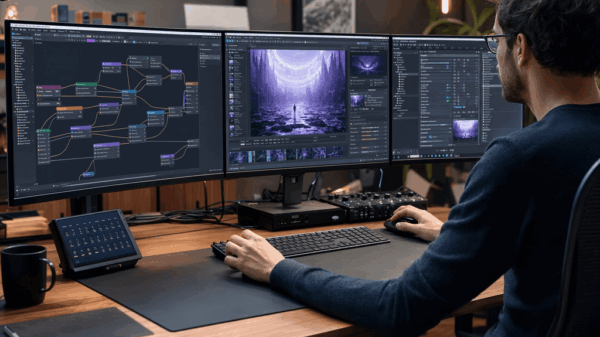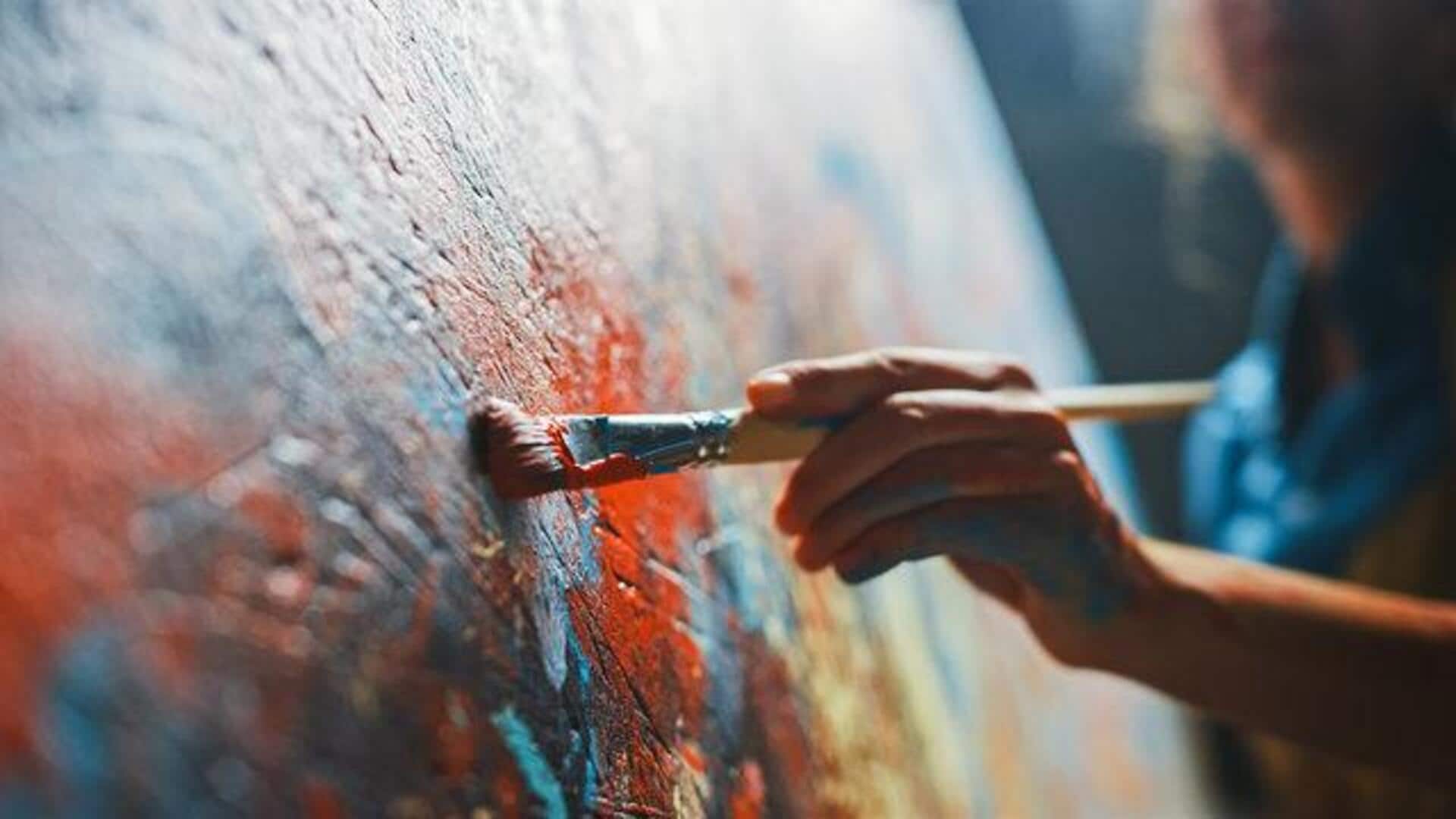
In the rapidly evolving landscape of digital art, artists frequently face challenges such as creative blocks or inefficiencies in visualizing their concepts. Recent advancements in artificial intelligence have given rise to innovative tools designed to assist artists in overcoming these obstacles. Highlighted in various 2026 resources, five AI-powered tools are proving to be valuable assets, each tailored to enhance creativity and streamline workflows while maintaining the artist’s unique vision.
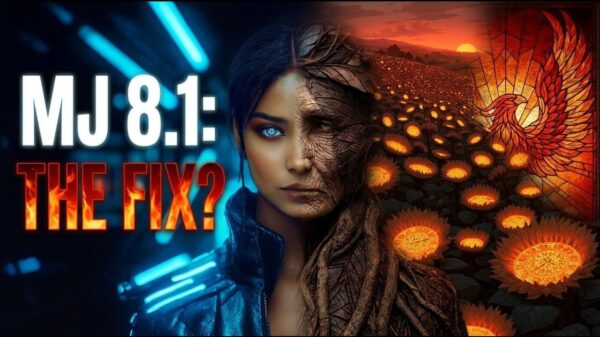
One prominent tool is Midjourney, a Discord-based application that generates artistic images from text prompts. This platform is particularly useful for creating concept sketches, character designs, and mood boards. By enabling users to produce stylized visuals almost instantaneously, Midjourney provides artists with the means to explore new directions and break through creative barriers. Its capabilities make it an essential resource for those seeking inspiration.
Another significant tool is PoseMy.Art, which allows users to manipulate 3D human models and adjust lighting settings for anatomical study. This tool enables artists to examine poses and foreshortening from any angle, enhancing the accuracy of figure drawing. By saving time on gathering references, PoseMy.Art allows artists to dedicate more attention to refining their techniques rather than spending hours searching for appropriate visual aids.
Canva AI Art Generator integrates seamlessly into the Canva design platform, facilitating the creation of visuals that harmonize with graphics, templates, and text. This tool is particularly beneficial for hobbyists looking to transform their artwork into shareable prints or online posts. Its user-friendly nature allows even those with limited graphic design skills to enhance their creations with professional quality.
Another noteworthy application is NightCafe Creator, which provides a broad array of AI models and style transfers for text-to-image generation. Artists can engage in community challenges while exploring new aesthetics through a credit system that promotes predictable experimentation. This feature empowers artists to push their creative boundaries without the fear of encountering unexpected results.
Lastly, Adobe Firefly is integrated into popular Adobe Creative Cloud applications like Photoshop. It enhances features such as Generative Fill, enabling users to safely add or remove elements for commercial use, as it has been trained on licensed content. This reliability makes Adobe Firefly an invaluable resource for professionals seeking quality enhancements in their projects, allowing for efficient yet creative outputs.
As artificial intelligence continues to shape the artistic landscape, these tools exemplify how technology can augment the creative process. By addressing common challenges faced by artists, they not only enhance individual creativity but also broaden the possibilities for artistic expression in the digital age. With the integration of AI tools, the future of art appears poised for transformation, enabling artists to explore new horizons while maintaining their distinctive styles.
See also PM Modi: AI to Empower 1.4B Citizens, Advancing India’s Digital Public Infrastructure by 2047
 Google Sets Dates for I/O 2026: May 19-20 Focused on AI Breakthroughs
 Perplexity Aligns with Anthropic, Rejects Ads to Bolster Enterprise Revenue Strategy
 Meta and NVIDIA Announce Multi-Year AI Partnership to Enhance Data Center Efficiency
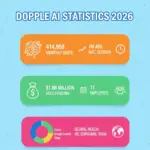 Dopple AI Secures $1.88M Funding, Records 414,950 Monthly Visits by September 2025