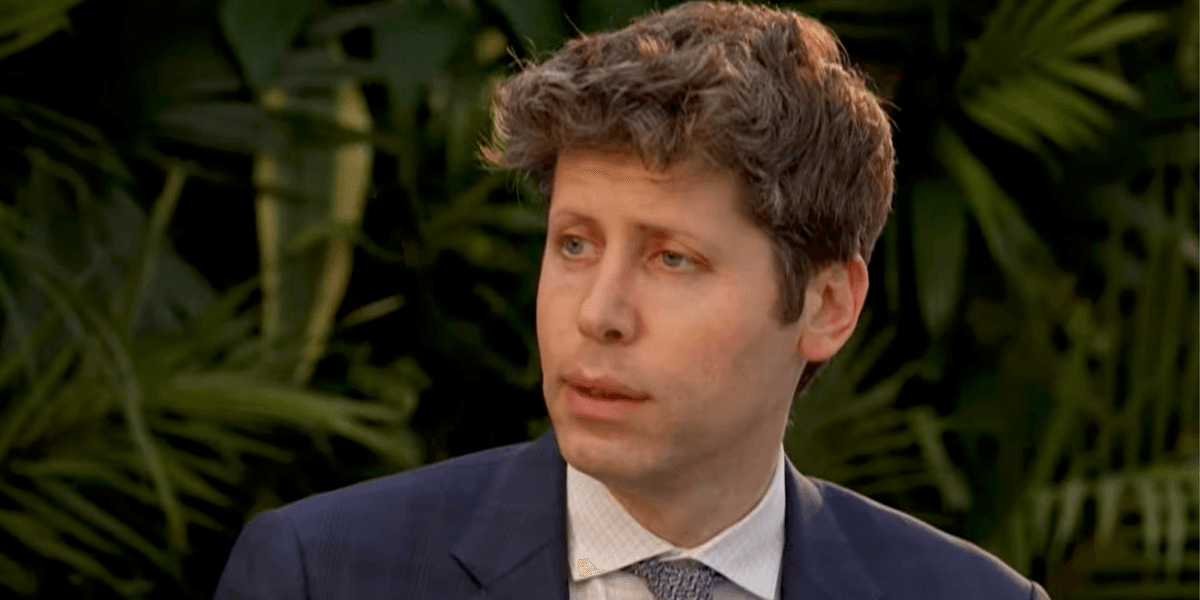
Sam Altman, CEO of OpenAI, has sparked controversy over his remarks regarding energy consumption in artificial intelligence (AI) during an interview with The Indian Express at the Express Adda event this week. Altman dismissed claims about the significant water usage in AI data centers, stating, “Water is totally fake.” He argued that while evaporative cooling was once a common practice, it is no longer utilized, and allegations that ChatGPT requires excessive water for each query are unfounded.
In his comments, Altman responded to misconceptions circulating online, emphasizing that the figure often quoted—that ChatGPT uses 17 gallons of water per query—is “completely untrue” and lacks any basis in reality. He acknowledged, however, that the overall energy consumption of AI technologies is a legitimate concern, calling for a transition to sustainable energy sources such as nuclear, wind, and solar power in light of rising AI usage worldwide.
The conversation then shifted to the energy efficiency of AI relative to human capabilities. Altman referenced a theory from Microsoft co-founder Bill Gates that AIs could evolve to become more energy-efficient. “One of the things that is always unfair in this comparison is people talk about how much energy it takes to train an AI model, relative to how much it costs a human to do one inference query,” Altman stated. He pointed out that training a human also requires significant resources, including two decades of life and the food consumed during that time.
Altman argued that a fairer comparison would be to measure the energy necessary for an AI to respond to a question post-training versus the energy expenditure of a human. He suggested that AI may have already reached parity in terms of energy efficiency when measured this way.
Despite his efforts to clarify the discourse surrounding AI’s impact on energy consumption, Altman’s remarks have drawn criticism on social media platforms, particularly X (formerly Twitter). Some commenters accused him of being “deeply antisocial and antihuman,” with Comicbook.com executive editor Simon Gallagher arguing that individuals who equate humans to data should not hold positions that influence the human experience.
Cartoonist George Alexopoulos chimed in, asserting that Altman’s comments reflect a troubling view that overlooks the distinction between humans and machines. Pastor L. David Fairchild labeled Altman’s remarks as “dystopian,” while researcher Matt Stoller criticized the idea of equating a “really big spreadsheet” with a baby, suggesting a moral equivalence that many find unsettling. Social media users also turned Altman’s statements into memes, with one user claiming, “1 second of 1 human life is worth more than all AI combined.” Another quipped that they were unsure how much energy was expended to “train Altman,” insinuating it was a substantial waste.
The backlash underscores a growing concern about the implications of AI technologies on society, particularly regarding their energy demands and the ethical considerations surrounding their development. Altman’s comments have added fuel to an ongoing debate about the balance between innovation and sustainability in the tech industry. As AI continues to evolve and permeate various sectors, discussions about its environmental impact will likely intensify, highlighting the urgent need for more sustainable practices in technology development.
OpenAI has been approached for further comment regarding the controversy.
See also Underrated AI Tools: Gamma, Perplexity, and Runway Transform Productivity and Creativity
 Amazon’s CEO Andy Jassy Declares Generative AI a $250 Trillion Game-Changer
 Modine Achieves 31% Quarterly Growth in Data Center Cooling as AI Demand Soars
 Google Rolls Out Gemini 3.1 Pro, Achieving 77.1% Score in Complex Reasoning Tasks