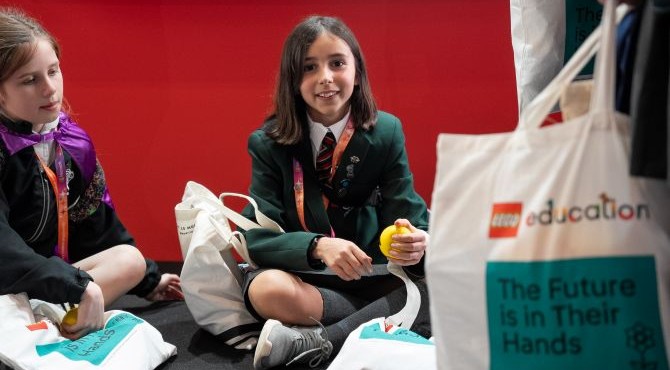
AI is radically transforming education, prompting a reevaluation of teaching methodologies and policies. At the BETT conference, Andrew Sliwinski, head of LEGO education product experience, emphasized the necessity of a child-first approach in teaching AI. He advocated for equipping students with the tools to understand and create AI technologies rather than merely using them. “AI literacy shouldn’t be about teaching children how to use a magic box. It should be about handing children a screwdriver to take the magic box apart and build things from the pieces,” he remarked during his keynote address.
With a growing concern among educators that students may use AI tools confidently yet lack a comprehensive understanding of their functionalities, Sliwinski highlighted the pressing need for foundational AI literacy. He was joined by fellow educators from LEO Academy Trust, including Director of Digital Learning Cheryl Shirley and Class Teacher Julaan Govier, to discuss innovative strategies for fostering AI literacy in schools.
During the panel discussion, Sliwinski underscored the importance of not allowing technology to dictate the learning experience. “Never let the tail wag the dog,” he cautioned, advocating that the focus should remain on educational objectives and learners’ needs. Govier echoed this sentiment, expressing concern that teaching students merely how to use AI tools may render them passive participants in their education. He compared the current technological landscape to an “AI avalanche,” urging educators to ensure that students navigate this terrain with skill and purpose.
Shirley shared insights into how LEO Academy Trust has integrated AI into their broader educational strategy. Initially, schools reacted to the rise of generative AI by formulating separate policies, but they soon realized that AI could be woven into the fabric of existing educational frameworks. “If we have a separate policy, we’re making it niche and the job of the IT team,” she explained. By embedding AI considerations across all areas of instruction, the responsibility for AI literacy became a shared goal among educators.
Govier discussed a shift from a “black box” mentality to a “glass box” approach in AI education. He outlined a comprehensive strategy for teaching foundational AI literacy that involves hands-on learning and critical reflection. “We want to use hands-on tools and educate children to use physical technology to make abstract concepts tangible,” he noted. This approach encourages students to understand the underlying mechanics of AI systems and fosters metacognition, allowing them to reflect on their learning processes.
Furthermore, the curriculum at LEO Academy Trust emphasizes the importance of computational thinking, demystifying concepts such as computer vision and natural language processing. By ensuring that students grasp the “how” behind AI, they transition from feeling overwhelmed by technology to mastering it as a tool for creativity and innovation. Govier also stressed the significance of instilling an ethical compass in students, prompting them to consider not just what AI can do, but what it should do. Understanding bias, transparency, and the implications of data usage are crucial components of this education.
Sliwinski reiterated the need to transform perceptions of computer science and AI from “nerd subjects” to fields that inspire creativity and collaboration. “For too long, computer science has been seen as a nerd subject… We’re trying to turn AI from that technical hurdle to a creative tool, just like a paintbrush or a building block,” he stated. This vision aims to engage all students in these critical areas, facilitating broader participation and interest.
Shirley also called on policymakers to reassess the current educational framework in light of AI advancements. “You have an opportunity here, right now,” she urged, emphasizing the potential of AI not merely as a tool for efficiency but as a catalyst for reimagining education. By embracing this change, educators can create more inclusive and impactful learning experiences that support students who have historically been underserved.
Emerging student-designed tools showcased at the BETT conference, such as AvatarForms—an AI-based app aiding neurodiverse students—and MirrorMirror PenPals AI, which connects classrooms globally, exemplify the real-world applications of hands-on learning in AI. These projects highlight the innovative potential when students take the lead in AI tool design and integration.
As AI continues to permeate various aspects of life and learning, the imperative remains for educational institutions to foster a deeper understanding of these technologies among students. The ongoing dialogue at conferences like BETT underscores the commitment of educators and policymakers alike to prepare the next generation for a future where AI literacy will be indispensable.
See also Navneet AI Partners with IIT Gandhinagar to Enhance AI Education for 2,000 Teachers in India
 Digital Promise Launches $26M K-12 AI Infrastructure Program to Enhance Assessment Standards
 EdTech Market Set to Soar to $426.23 Billion by 2033, Driven by AI Innovations and Digital Learning
 77% of Teachers Stressed by AI Rollout; Education Perfect Report Reveals Governance Gaps
 OpenAI Expands ChatGPT Lab to 70+ Campuses, Recruiting AI Student Organizers