






















































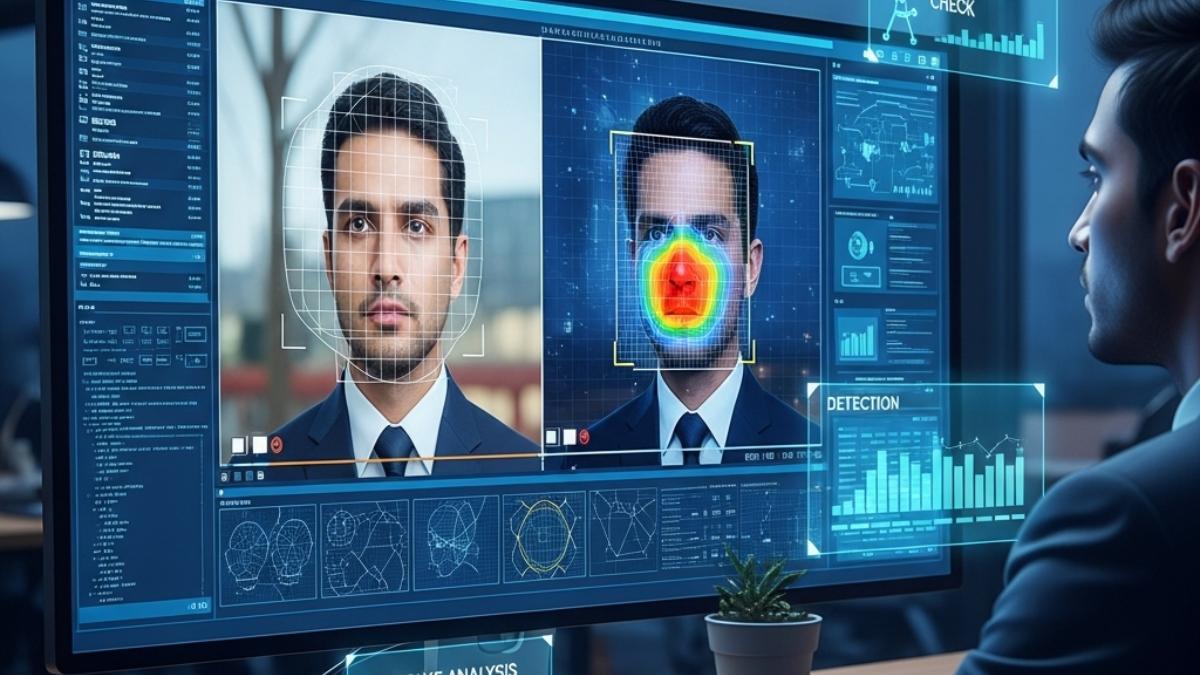
Artificial intelligence detection tools are increasingly deployed to combat the spread of deepfakes and synthetic media online. However, recent evaluations indicate that their reliability may be questionable. According to testing conducted by The New York Times, while some AI-generated content can be identified, the accuracy of these detection tools varies significantly, raising concerns over their effectiveness.
These AI detection tools are designed to analyze images and videos to determine their authenticity by examining factors such as hidden watermarks, digital artifacts, and pixel-level inconsistencies. The technology aims to identify signs of synthetic manipulation that could suggest the content has been altered or generated by AI systems.
The New York Times’ findings reveal a mixed picture: while certain instances of manipulated content were correctly flagged by these tools, there were also notable failures. In some cases, the detectors failed to recognize synthetic media, while in others they mistakenly indicated that genuine content had been tampered with. This inconsistency highlights a significant challenge in the current landscape of AI detection technology.
The rapid advancement of AI systems creating synthetic media has outpaced the development of corresponding detection tools. Many of the existing detectors rely on patterns specific to certain known AI models, which means that newer or modified systems can easily bypass them. This leaves a gap that is concerning for various stakeholders, including journalists, fact-checkers, and online platforms.
Experts emphasize that while AI detection tools can assist in identifying potentially manipulated content, they are not yet capable of providing definitive verification. The reliance on these tools might create a false sense of security, as they cannot replace the essential processes of human review, source validation, and contextual analysis when it comes to verifying digital media.
The ongoing evolution of synthetic media complicates the situation further. As these technologies become more sophisticated, the debate surrounding the efficacy of detection technology intensifies. The question remains whether detection tools can adapt swiftly enough to preserve trust in online content and media.
Currently, AI video detection tools are viewed as supplementary aids rather than reliable indicators of authenticity. Their limitations underscore the importance of a multifaceted approach in the fight against misinformation and digital deception. For now, the integration of human oversight alongside technological advancements will be crucial in navigating the complexities of verifying digital content.
As the discourse around synthetic media continues to evolve, stakeholders in the media and technology sectors will need to reassess their strategies to address the challenges posed by these emerging technologies. The landscape of digital authenticity remains uncertain, but the emphasis on human verification and critical analysis is likely to become even more pronounced as AI-generated content proliferates.
See also Google Launches Nano Banana 2 with 4K AI Image Generation and Enhanced Text Clarity
 Mercury 2 Launches with 1,000 Tokens/Second Speed, Outpaces Haiku by 500%
 Google Launches Nano Banana 2, Merging AI Image Tools for Enhanced Visual Generation
 Douyin Launches Long-Form Writing Feature to Attract 907M Users with AI Support
 Lockheed Martin Collaborates with Xanadu to Enhance Quantum Machine Learning Theory















