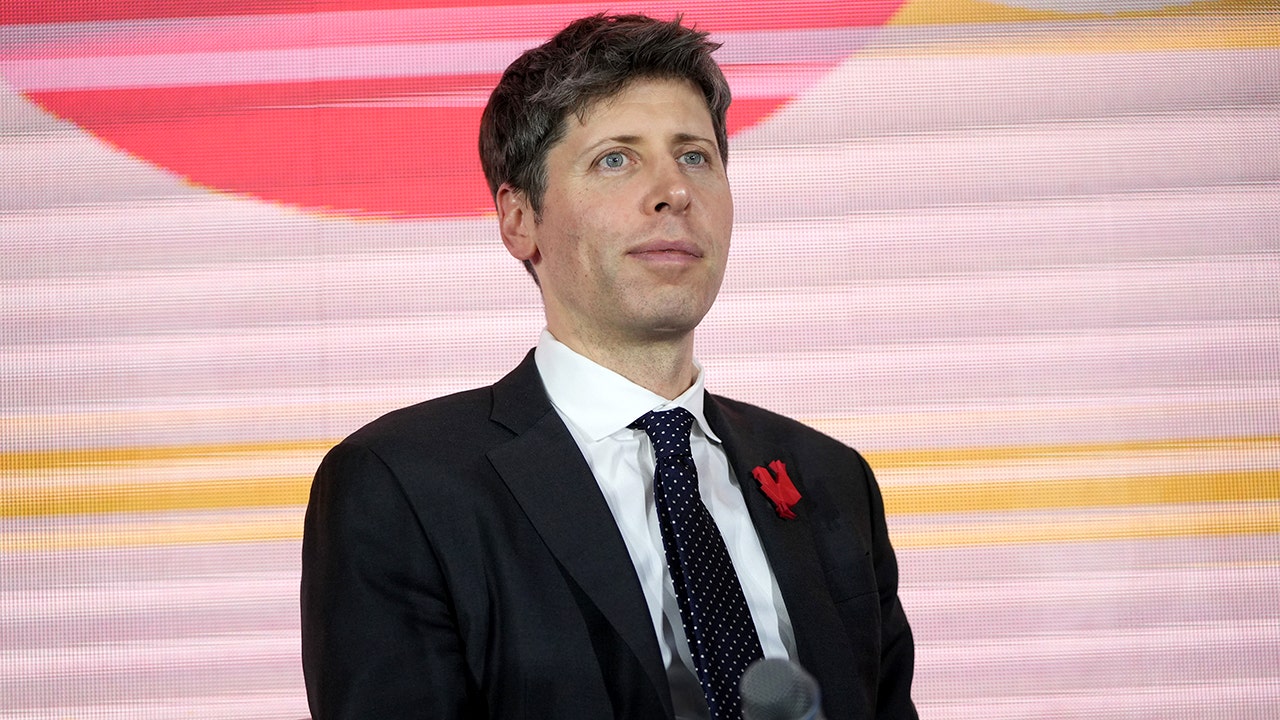
OpenAI CEO Sam Altman announced on Friday that the company has finalized an agreement with the Department of War to deploy its artificial intelligence models on classified military networks. This development comes shortly after President Donald Trump ordered federal agencies to phase out the use of technology from rival firm Anthropic, escalating tensions regarding the utilization of AI in military operations.
In a post on X, Altman highlighted the respectful discussions with the Pentagon, stating that the department “displayed a deep respect for safety and a desire to partner to achieve the best possible outcome.” He emphasized that AI safety and the equitable distribution of benefits are central to OpenAI’s mission. “Two of our most important safety principles are prohibitions on domestic mass surveillance and human responsibility for the use of force, including for autonomous weapon systems. The DoW agrees with these principles, reflects them in law and policy, and we put them into our agreement,” Altman said.
The agreement with the Pentagon follows Trump’s directive that all federal agencies discontinue using Anthropic’s technology. This order has intensified a standoff over how artificial intelligence should be integrated into military strategy and operations. In a statement on Truth Social, Trump warned that agencies, including the Department of War, would have a six-month period to phase out Anthropic’s services. “Anthropic better get their act together, and be helpful during this phase out period, or I will use the Full Power of the Presidency to make them comply,” he wrote, noting that there could be significant civil and criminal repercussions for non-compliance.
Secretary of War Pete Hegseth announced that the department would designate Anthropic as a “supply-chain risk to National Security.” He stated, “Effective immediately, no contractor, supplier, or partner that does business with the United States military may conduct any commercial activity with Anthropic.” Hegseth added that Anthropic would still be allowed to provide its services for a limited time to ensure a smooth transition to what he called a “better and more patriotic service.”
In contrast, Anthropic CEO Dario Amodei has resisted earlier demands from the Department of War to allow its AI model, Claude, to be employed for “all lawful purposes.” He expressed concerns regarding “mass domestic surveillance” and “fully autonomous weapons.” Upon the announcement of its designation as a supply chain risk, Anthropic stated that negotiations had reached an impasse due to two exceptions it had requested for the lawful use of its AI technology. The company maintained that these exceptions “have not affected a single government mission to date.”
Anthropic characterized the supply chain risk designation as an “unprecedented action — one historically reserved for US adversaries, never before publicly applied to an American company.” In light of these developments, the company stated it has not received any direct communication from the Department of War or the White House regarding the negotiations’ status. It reiterated its commitment to support all lawful national security uses of AI, except for the contested exceptions.
Against this backdrop, Altman underscored OpenAI’s commitment to implementing additional safeguards to ensure that its models “behave as they should,” with a focus on operating solely on cloud networks. “We are asking the DoW to offer these same terms to all AI companies, which in our opinion we think everyone should be willing to accept,” he said. Altman expressed a strong desire to de-escalate the situation away from legal and governmental actions toward more reasonable agreements.
As the landscape of AI in defense continues to evolve, the agreements and directives emerging from the White House and the Department of War could set critical precedents for the future use of AI technologies in military operations, impacting both national security and the broader AI market.
See also Nu Holdings Achieves Conditional US Bank Charter, Launches AI-Powered Credit Underwriting
 SaaS Market Resilient Amid AI Rumors; Analysts Predict No Imminent Collapse
 AI-Powered Bots Set to Disrupt Banking Sector, Tackling $10B ‘Lazy Tax’ on Consumers
 Amazon Invests $50 Billion in OpenAI for Advanced Enterprise AI on AWS
 AI Voice Agents Shift to ROI Focus as Enterprises Seek Measurable Impact by 2026