






















































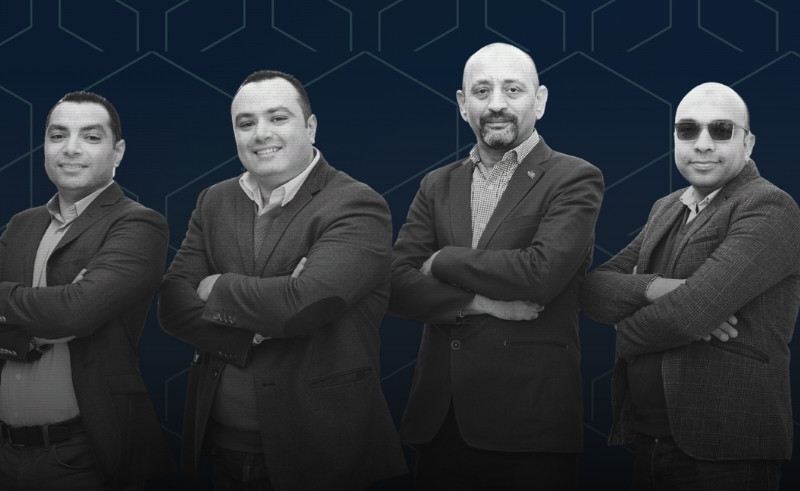
In a dynamic response to the escalating threats posed by artificial intelligence in cybersecurity, Snappers, an AI-powered cybersecurity startup founded in 2023, is pioneering innovative solutions to address both workforce shortages and the growing risk of AI-generated cyberattacks. As organizations globally increasingly rely on AI technologies, the complexity of potential cyber threats is intensifying, prompting urgent action from industry leaders.
“In the coming months, and definitely in the coming years, there will be very sophisticated cyberattacks using AI,” warns Hisham Magdy, CEO and co-founder of Snappers. He highlights a concerning trend where AI is not just a tool in the hands of cybercriminals, but can autonomously create new malware codes designed to outsmart existing defenses. This evolving threat landscape poses significant challenges, particularly as cyberattacks are estimated to cost the global economy trillions of dollars annually.
Simultaneously, a stark shortage of cybersecurity talent persists, particularly in regions like Egypt where Snappers primarily operates. “Since Covid and the AI revolution that has happened, there is higher demand for cyber talents to fulfill the big digital transformation happening in the global ecosystem,” Magdy notes. The situation is exacerbated in Egypt as many skilled professionals pursue opportunities abroad, further straining the local talent pool.
In response to these dual challenges, Snappers is leveraging AI as a countermeasure against AI-driven threats. Magdy emphasizes the necessity of specialized cybersecurity services that utilize AI products to fill the existing gaps within the industry, stating, “You cannot fight a tank with a pistol.” The startup offers clients subscription-based cybersecurity solutions, distinguished by its innovative approach to integrating AI within its Security Operations Centre (SOC).
Unlike many firms that may replace cybersecurity engineers with AI, Snappers employs a collaborative model, enhancing the capabilities of its workforce. Magdy explains, “Threat-hunting is not a process that can be automated. There’s no algorithm for it.” This collaboration allows cybersecurity engineers to respond to AI-generated threats more effectively while bridging the skills gap prevalent in the MENA region.
AI significantly enhances the efficiency of threat detection and response times, according to Magdy. “The difference in time to detect and time to respond is going to be very big between teams who use AI, and teams who don’t.” Alongside threat-hunting, Snappers utilizes AI to streamline compliance monitoring and reporting processes, which can traditionally take weeks or months to complete. This capability makes Snappers’ offerings particularly appealing to companies lacking sufficient IT manpower.
Prior to launching Snappers, Magdy amassed considerable experience in the technology sector, serving as managing director at Global Solutions, a prominent systems integrator in Egypt. During his tenure, he identified a clear gap in the market for efficient and affordable cybersecurity services tailored to businesses unable to maintain full SOC teams. “We thought, ‘How can we provide a portfolio of services that’s not just efficient, but also affordable for companies?’” he recalls.
Headquartered in Dubai but primarily operating out of Egypt, Snappers chose this location for its favorable startup funding laws and intellectual property protections. The company has ambitious plans for expansion into the Gulf Cooperation Council (GCC) and North Africa in the coming years.
An internal challenge that Magdy and his co-founders faced involved aligning the communication between cybersecurity specialists and developers to ensure effective product development. “It can be a struggle to make the cybersecurity people speak to developers in the same language,” he explains. However, they have successfully merged these two spheres, enabling Snappers to deliver unique solutions in the cybersecurity market.
Looking ahead, Snappers is set to launch its upcoming subscription-based product, SnapAI, which promises to enhance its Talent-AI collaboration model and deliver next-generation threat detection. “SnapAI is going to be an AI-based web application that will decrease the time to detect cyber incidents, respond, and complete compliance reports to just minutes,” Magdy states. This product aims to empower cybersecurity experts to proactively identify threats and streamline compliance reporting processes.
Bolstered by positive market feedback following its participation in AI Everything 2026, Snappers is poised to lead future innovations in the cybersecurity landscape, with additional products planned for rollout in 2027 and beyond. The intersection of AI and cybersecurity is set to redefine the industry, and companies like Snappers are at the forefront of this evolution.
See also Hackers Use AI to Exfiltrate 150 GB of Data from Mexican Government Agencies
 AI-Powered Systems Reduce Warehouse Security Threats by 40% and Cut False Alarms by 90%
 Okta Launches Auth0 for AI Agents as CTO Wins Leadership ORBIE Award
 BCE Invests $1M in Cybersecurity AI Partnership, Targets CA$37.38 Fair Value















