As the automotive industry undergoes a transformative shift, software-defined vehicles, artificial intelligence, and connected platforms are rapidly emerging as foundational elements. Major original equipment manufacturers (OEMs), startups, and technology giants alike are investing significantly in software stacks, semiconductors, and autonomous systems, aiming to unlock new revenue streams and expedite the adoption of electric vehicles (EVs). This surge in investment is underscored by the growing emphasis on semiconductor manufacturing, AI-driven mobility platforms, and autonomous technologies, as companies seek to secure a competitive advantage in an increasingly technology-led mobility ecosystem.
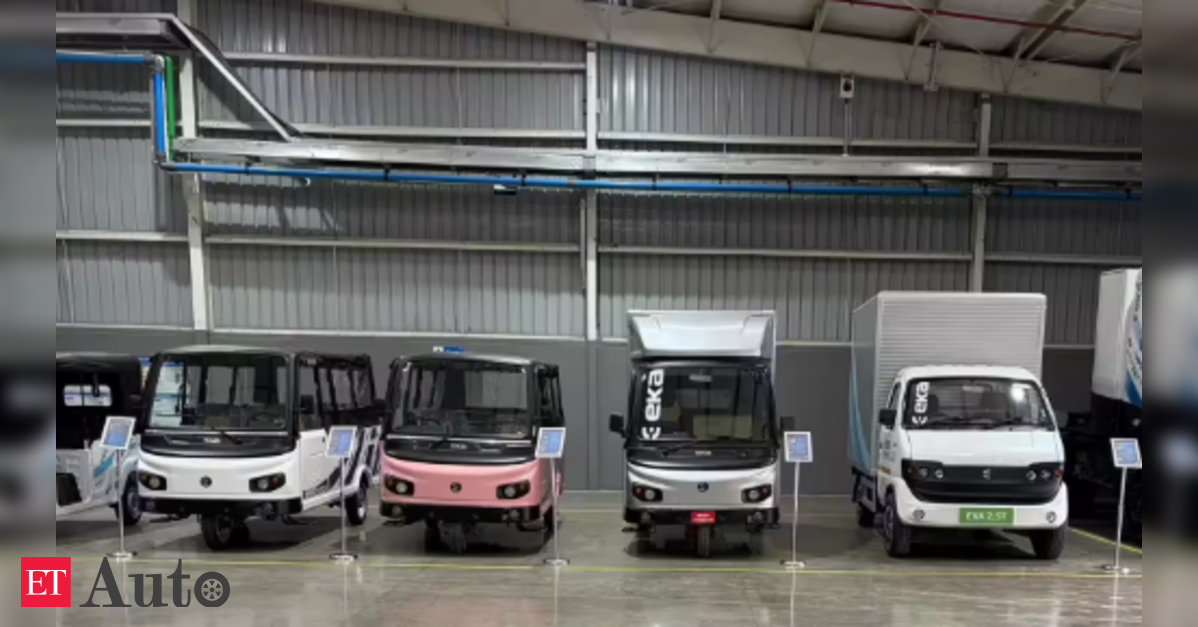
Among those capitalizing on this trend is EKA Mobility. The electric commercial vehicle maker is prioritizing a software-first architecture in its strategy to scale electric bus and fleet solutions. This approach not only enhances vehicle capabilities but also facilitates the integration of digital services such as predictive maintenance and fleet analytics, alongside over-the-air updates, positioning EKA for significant growth.
Meanwhile, India is poised to become a hub for electronics and semiconductor manufacturing, which industry leaders assert will be pivotal for the country’s automotive future. As vehicles evolve to become more connected and electrified, the demand for chips, sensors, and power electronics is escalating rapidly, marking a potential turning point for India’s role in the global automotive supply chain.
The ongoing shift towards software-defined vehicles is also prompting automakers to adopt open innovation platforms. These collaborative frameworks enable companies to work together on software development, fostering innovation while ensuring governance and security. This move reflects an industry-wide recognition of the benefits derived from shared technological advancements.
Despite the advancements in autonomous driving technologies, the deployment of robotaxi services still relies on human supervision. Companies like Waymo and Tesla have been at the forefront of this innovation; however, regulatory filings reveal that remote operators or safety drivers remain integral to current operations. This indicates that while the technology is progressing, the transition to fully autonomous systems is still a work in progress.
In the realm of used vehicles, Cars24 has partnered with OpenAI to integrate artificial intelligence into its platform, aiming to enhance customer experiences through smarter vehicle searches, pricing insights, and conversational AI tools. This collaboration underscores the growing importance of AI in refining user interactions and streamlining operations in the automotive marketplace.
Additionally, Tata Technologies has joined forces with WITTENSTEIN to bolster capabilities in developing software-defined vehicles. This partnership will concentrate on providing advanced engineering solutions and digital technologies that are crucial for the evolution of next-generation vehicles, highlighting the strategic collaborations emerging within the industry.
In a significant funding milestone, UK-based autonomous driving startup Wayve has raised $1.2 billion from a roster of investors including Mercedes-Benz and Stellantis. The funding will be directed towards developing AI-driven autonomous systems that adapt and learn from real-world driving behaviors, further pushing the boundaries of what is possible in autonomous mobility.
Meanwhile, Harman has introduced the Ready Ride connectivity platform tailored for two-wheelers, recognizing the rising significance of connected features as key differentiators in mobility. This initiative could catalyze the adoption of digital services within the two-wheeler segment, enhancing user engagement and operational efficiency.
As the automotive landscape evolves, several key trends are emerging. Software-defined vehicles are becoming central to the next generation of automotive innovations, while artificial intelligence increasingly shapes vehicle platforms and marketplaces. The importance of open collaboration and partnerships is evident as companies seek faster technology development. Despite advancements in autonomous mobility, human oversight remains essential in current deployments, indicating that the journey towards fully autonomous vehicles is ongoing. Notably, the burgeoning semiconductor and electronics manufacturing sector could play a crucial role in supporting India’s growing mobility ecosystem.
For ongoing insights into the rapidly evolving automotive technology space, stakeholders are encouraged to follow ETAuto for regular analysis and trends. Feedback from the community is invaluable for enhancing the content and delivering insights that matter.
See also DigitalOcean Reports Strong 2025 Earnings and Secures Workato AI Partnership
 39 AI Tools Transforming Productivity in 2026: Boost Efficiency and Creativity Now
 Jamie Lee Curtis Warns AI Grief Tech Risks Blurring Lines Between Memory and Reality
 Library Vendors Integrate AI Tools for Enhanced Research: Key Features Unveiled
 New Zealand Farmers Adopt GenAI Tools for Enhanced Decision-Making and Efficiency