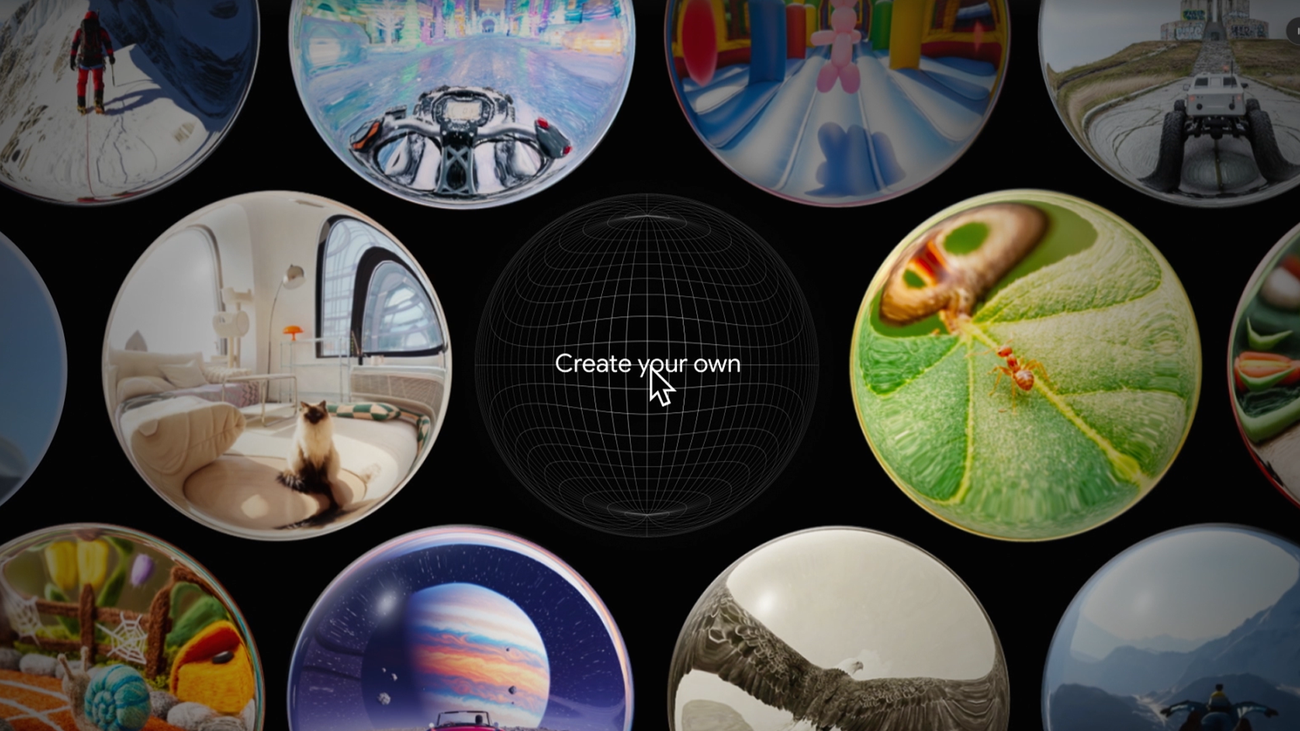
Google has unveiled a new experimental research prototype named Project Genie, designed to allow users to create, explore, and remix their own interactive worlds. Currently available to Google AI Ultra Subscribers in the United States who are over 18, this innovative tool enables individuals to develop unique characters and environments, and navigate them in real time. Users can imagine traveling to a fictional planet or exploring underwater ecosystems filled with marine life. With plans for further expansion, Project Genie marks a significant step in the company’s ongoing commitment to enhance user engagement through artificial intelligence.
The functionality of Project Genie is user-friendly, requiring only text prompts or a combination of text and images to activate its features. This accessibility is crucial, as it lowers the barrier for entry for those unfamiliar with coding or advanced digital design. As users provide prompts, the system dynamically generates immersive environments, effectively transforming creative ideas into interactive experiences.
With the advent of platforms like Project Genie, the landscape of digital content creation is poised for transformation. Users are encouraged to experiment with various prompts to fully utilize the tool’s capabilities. The emphasis on remixing suggests that the platform is not just about creation, but also collaboration and innovation, echoing trends in the broader tech industry where user-generated content continues to gain traction.
Project Genie fits within a larger context of advancements in artificial intelligence, particularly in user interaction and content generation. As AI technologies evolve, platforms that merge creativity with technological prowess are increasingly prevalent. Companies are investing heavily in AI research and development, aiming to democratize creative processes and foster engagement across diverse demographics.
The potential applications for Project Genie extend beyond mere entertainment. Educational institutions, for example, may find value in using such interactive tools to enhance learning experiences. By allowing students to create and explore their own worlds, educators can stimulate engagement and facilitate experiential learning. Similarly, businesses could leverage the technology for innovative marketing strategies or customer engagement initiatives.
As the rollout of Project Genie continues, industry observers will be watching closely to assess its impact on both the consumer market and the broader tech ecosystem. The ability to create personalized experiences can redefine how users interact with digital content, setting new standards for engagement and interactivity. With its commitment to enhancing user creativity, Google is positioning itself as a leader in the emerging field of interactive AI technologies.
Moving forward, the implications of Project Genie may resonate across various sectors, potentially influencing how companies integrate AI into their offerings. The interactive nature of such tools not only encourages creativity but also fosters a sense of community among users who share their creations and discoveries. As the platform evolves, it may inspire further innovations that redefine the boundaries of digital interaction.
Ultimately, Project Genie represents a significant leap towards making interactive digital experiences more accessible to a broader audience. With its potential applications spanning education, entertainment, and beyond, the project underscores the growing importance of AI in reshaping how we create, explore, and connect in the digital age.
See also Microsoft Reports Strong Q2 Cloud Growth, Valuation at $420 Amid AI Competition
 Amazon’s ProServe Drives $10B in Revenue Amid AI Transformation in Consulting
 YouTuber Sues Runway AI for Allegedly Scraping YouTube Videos to Train System
 Multiverse Computing Launches HyperNova 60B 2602 on Hugging Face, Enhancing AI Efficiency by 50%